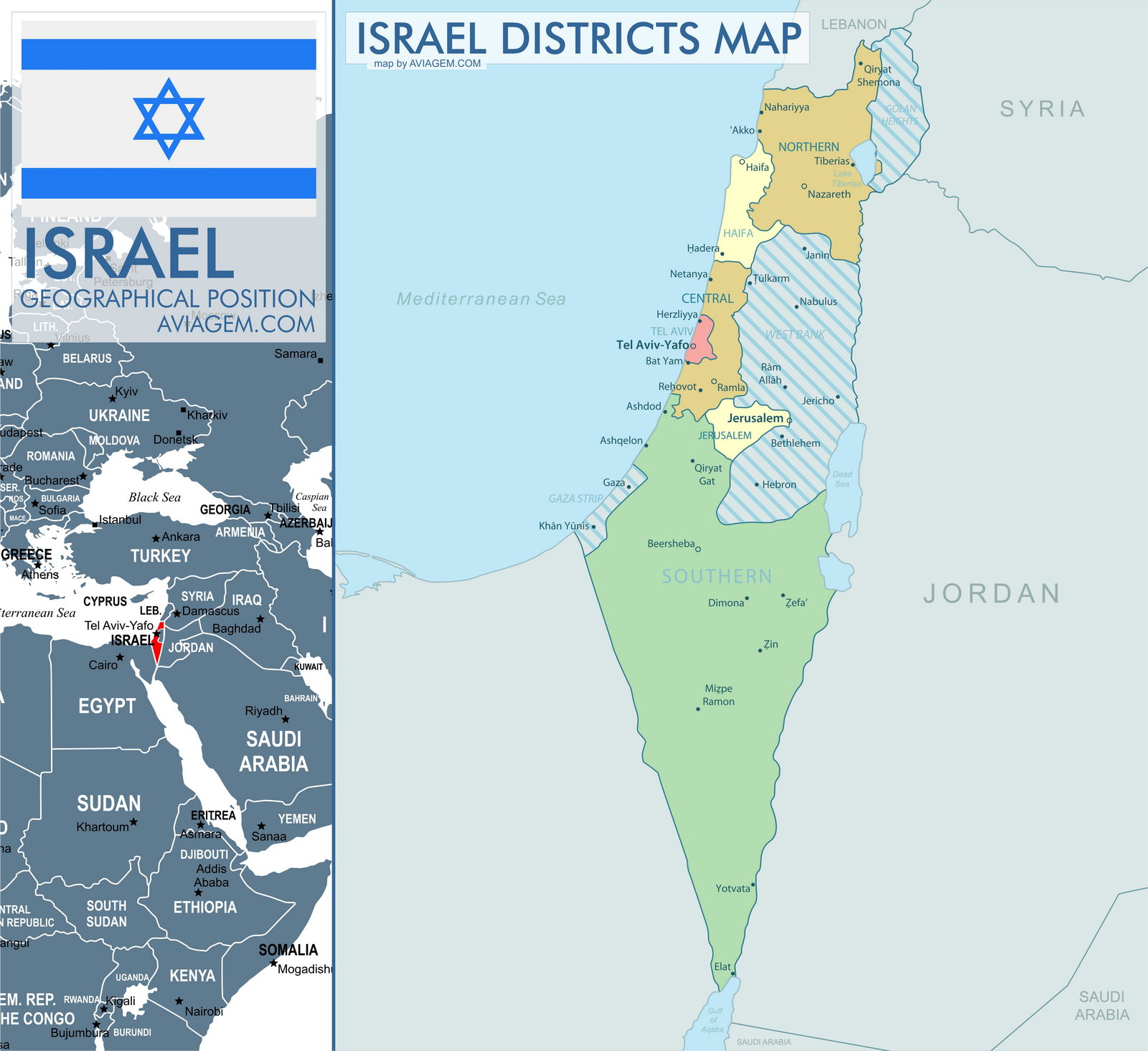
The Israeli military has launched a significant wave of airstrikes across Lebanon, targeting Hezbollah infrastructure in the eastern Bekaa Valley and other regions, following a formal directive from Prime Minister Benjamin Netanyahu to intensify the ongoing military campaign. The escalation, confirmed by the Israel Defense Forces (IDF), marks a notable shift in the conflict as the Israeli government moves to exert increased pressure on the Iran-backed group.
In a recent video statement, Prime Minister Netanyahu declared that Israel is “at war with Hezbollah,” instructing the military to “deal them a crushing blow.” According to the BBC, the Prime Minister stated that the offensive has resulted in the elimination of more than 600 operatives in recent weeks, yet emphasized that the current situation necessitates a further increase in the intensity of strikes.
Military Operations and Regional Impact
The IDF reported that it struck more than 100 Hezbollah infrastructure sites on Tuesday morning alone. These operations have targeted various locations, including the Bekaa Valley and the southern town of Tyre, where military officials have issued evacuation orders for residents in anticipation of further activity. The Israeli military stated that strikes in the village of Mashghara were conducted “within seconds” to target identified infrastructure, asserting that the operatives involved were eliminated during the engagement.

Hezbollah has responded to the intensified campaign by launching a series of retaliatory strikes. The group reported carrying out 22 drone and rocket attacks, claiming to have targeted Israeli military personnel, tanks, barracks, and various facilities. This cycle of violence continues despite a previously agreed-upon 45-day ceasefire, which was initiated in mid-April to stabilize the border region.
Strategic Context and Escalation
The current military trajectory has sparked internal political debate within Israel. Far-right government ministers, including Bezalel Smotrich and Itamar Ben Gvir, have publicly advocated for an expansion of the military campaign, with some officials calling for operations to extend as far as Beirut. This rhetoric underscores the growing pressure on the Israeli cabinet to redefine the scope of their engagement with Hezbollah.

The humanitarian impact of the hostilities remains a primary concern for international observers. Local media in Lebanon have reported significant casualties, including an attack in the village of Mashghara in the Bekaa Valley, which was said to have resulted in 12 deaths. As the military campaigns continue, the ability of both nations to adhere to the existing ceasefire protocols remains increasingly strained.
Key Developments at a Glance
- Increased Intensity: Prime Minister Netanyahu has ordered the IDF to escalate operations to deliver a “crushing blow” to Hezbollah.
- Operational Scope: Strikes have been confirmed across the Bekaa Valley and southern Lebanon, with over 100 infrastructure sites targeted in a single day, as reported by the BBC.
- Retaliation: Hezbollah has engaged in reciprocal drone and rocket fire, citing attacks on Israeli barracks and armored units.
- Political Pressure: Members of the Israeli government are actively pushing for an expanded operational theater, potentially moving beyond established buffer zones.
Looking Ahead
The situation remains highly fluid, with the international community closely monitoring the potential for a wider regional escalation. While the 45-day ceasefire remains technically in place, the continued exchange of fire suggests that the diplomatic framework is currently insufficient to halt the momentum of the military operations. Future developments will likely depend on the effectiveness of the IDF’s current campaign and the threshold of Hezbollah’s retaliatory capacity.
As this is a developing situation, we will continue to provide updates as official statements and verified reports become available from the respective military and government authorities. We invite our readers to share their perspectives in the comments section below and to stay engaged with our ongoing coverage of these critical geopolitical events.
Related reading