
The fragile ceasefire between Israel and Hezbollah, which officially commenced on November 27, 2024, is facing significant strain as both sides continue to report sporadic military activity. Despite international efforts to solidify the agreement, the situation on the ground remains volatile, with both the Israel Defense Forces (IDF) and Hezbollah-affiliated units accusing one another of violating the terms of the cessation of hostilities. This ongoing friction underscores the deep-seated mistrust that persists even after the brokered truce agreement designed to halt over a year of intensified cross-border fire.
For those of us tracking the region’s geopolitics, the current instability is a stark reminder of how quickly diplomatic progress can be undermined by localized tactical maneuvers. While the agreement initially brought a temporary reprieve to residents in southern Lebanon and northern Israel, reports of renewed shelling and troop movements in border zones have renewed fears of a broader escalation. The international community, led by mediators, continues to urge both parties to exercise restraint, yet the reality remains that the ceasefire agreement is being tested daily.
The Fragility of the Ceasefire Agreement
The core of the current tension lies in the ambiguity of the military positions maintained after the ceasefire took effect. Under the terms of the deal, the Lebanese Armed Forces (LAF) and UNIFIL were expected to oversee the withdrawal of Hezbollah forces from areas south of the Litani River, while Israeli troops were mandated to gradually withdraw from southern Lebanon. However, reports from the field indicate that Israeli forces remain in various positions, citing security concerns as the primary driver for their continued presence. The IDF has stated that their operations are limited to responding to immediate threats or clearing infrastructure, a justification that Lebanese officials frequently dispute.
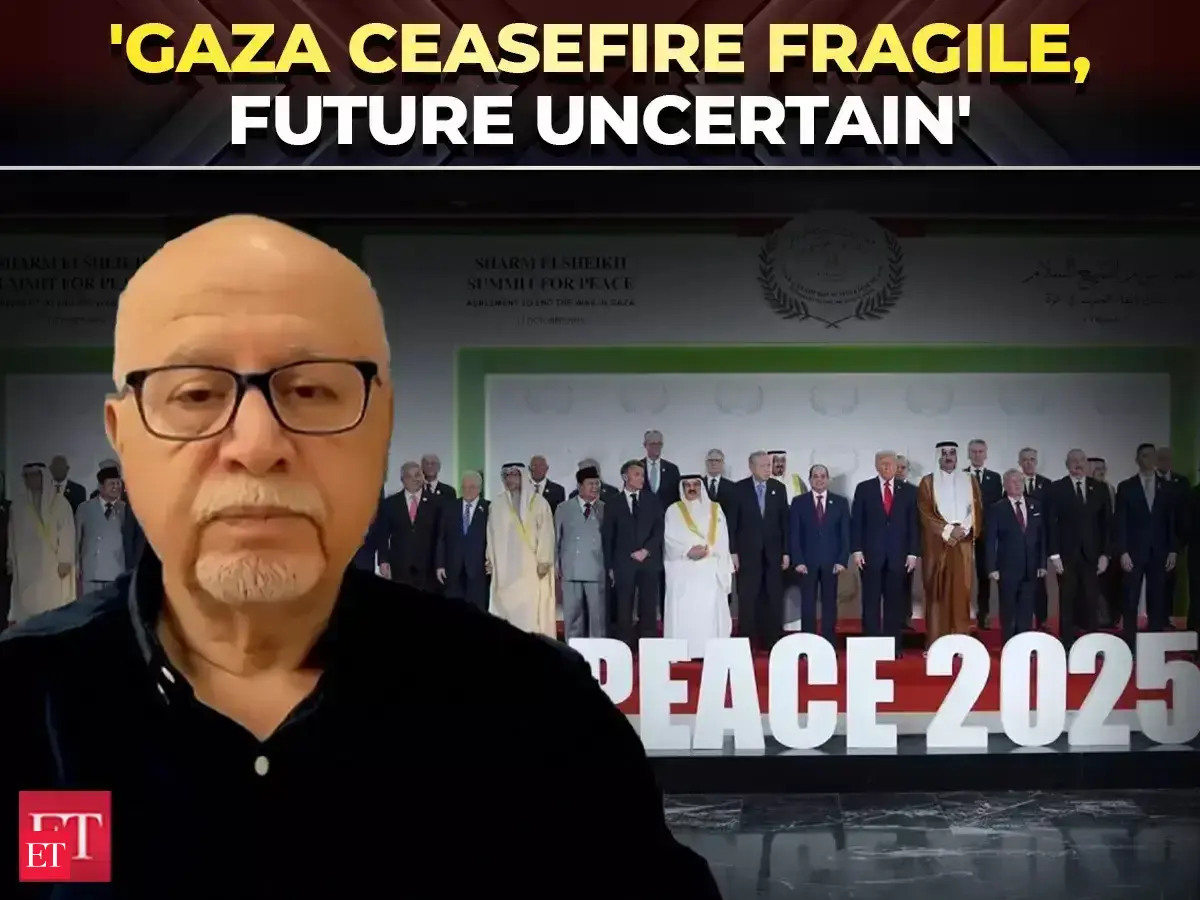
In response, Hezbollah has maintained a posture of defensive readiness, occasionally launching localized strikes which they characterize as retaliatory measures against Israeli violations. These exchanges, while often limited in scale, have led to renewed displacement concerns for civilian populations in southern Lebanon, particularly in districts like Tyre, where infrastructure damage remains extensive. According to the United Nations Interim Force in Lebanon (UNIFIL), the persistence of these incidents risks collapsing the entire diplomatic framework, as both sides interpret the other’s movements as hostile intent rather than compliance.
Impact on Civilian Life and Humanitarian Concerns
The human cost of this conflict has been profound. In cities like Tyre, which served as a hub for the region, the landscape has shifted from a bustling urban center to a ghost town. Many residents who attempted to return home following the initial announcement of the ceasefire have been forced to flee once more due to the resumption of aerial strikes and artillery fire. The psychological toll on the civilian population is immense. the lack of a durable security environment makes it nearly impossible for families to plan for the future or rebuild their livelihoods.
Humanitarian organizations on the ground are struggling to provide consistent aid. Access to remote villages in the south is frequently blocked by military checkpoints or active combat zones, complicating the delivery of basic necessities such as medical supplies, clean water, and food. The World Health Organization has noted that the health infrastructure in southern Lebanon is currently operating at a fraction of its capacity, with many facilities having sustained significant damage. The ongoing instability ensures that the region remains in a state of perpetual emergency, preventing the transition from crisis response to early recovery.
Strategic Implications and Diplomatic Challenges
The strategic stakes are high. For Israel, the primary objective remains the permanent degradation of Hezbollah’s ability to launch cross-border attacks, ensuring that northern communities can return to their homes in safety. For Lebanon, the focus is on asserting national sovereignty and preventing the further destruction of its territory. The competing nature of these objectives makes the current ceasefire a precarious arrangement at best.

Diplomatic channels remain open, with the U.S. And French governments acting as primary intermediaries. However, the lack of a formal, long-term political resolution means that the ceasefire functions more as a pause in active combat rather than a definitive end to hostilities. Observers suggest that without a more robust enforcement mechanism—one that can effectively monitor and report violations in real-time—the risk of a return to full-scale conflict remains high. The U.S. State Department continues to reiterate that the full implementation of UN Security Council Resolution 1701 is the only path forward, yet the gap between the resolution’s requirements and the reality on the ground continues to widen.
Key Takeaways on the Current Situation
- Ceasefire Status: Officially active since November 27, 2024, but marred by recurring reports of cross-border fire and military activity.
- Military Presence: Israeli forces maintain a presence in parts of southern Lebanon, while Hezbollah remains active in the border region, leading to persistent friction.
- Civilian Impact: Large-scale displacement persists, with many residents unable to return to their homes due to ongoing security risks and damaged infrastructure.
- Diplomatic Role: International mediators are working to stabilize the situation, but no long-term political resolution has been reached to address the underlying causes of the conflict.
As we monitor these developments from our newsroom, the situation remains fluid. We are tracking reports from official UN channels and government ministries for any updates on the potential reinforcement of the ceasefire terms. The next critical checkpoint will be the upcoming progress reports from the international monitoring committee, which are expected to address the specific violations reported by both parties. We encourage our readers to engage with this complex topic in the comments section below—what do you believe is the most significant hurdle to achieving a lasting peace in this region? Your perspectives are a vital part of our global conversation.
Related reading