Gaza Ceasefire progress & Future Governance: A Deep Dive
The fragile ceasefire between Israel and Hamas continues to unfold,marked by both hopeful developments and important challenges. This update provides a extensive overview of the current situation, focusing on the exchange of remains, the complexities of future governance, and the critical reopening of the Rafah border crossing. we’ll break down the key issues, offering context and analysis based on the latest reporting.
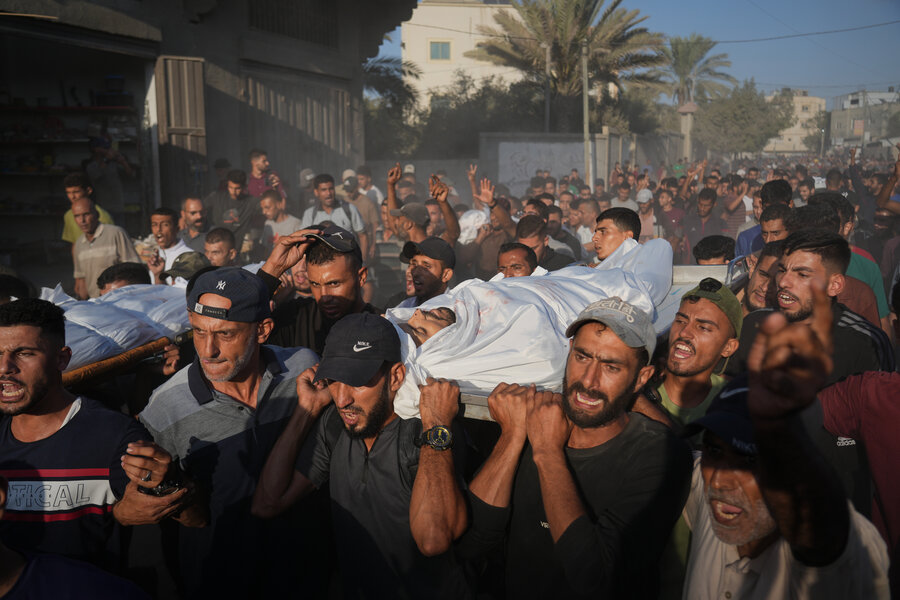
The Human Cost & Ongoing Identification Efforts
The conflict has taken a devastating toll.Gaza’s Health Ministry reports over 68,000 Palestinian deaths, a figure considered generally reliable by UN agencies and independent experts, despite Israeli disputes. However, the true extent of the loss remains obscured.
* Unidentified Remains: As of Sunday, 15 bodies were newly discovered, bringing the total of unidentified remains to a staggering number. Israel has yet to identify these individuals or confirm the circumstances of their deaths.
* Grim Reality: The Health ministry publishes photos of recovered bodies to aid families in identification, a heartbreaking process complicated by severe decomposition and, in some cases, missing limbs.
* Limited Identification: Only 25 bodies have been positively identified, highlighting the immense challenge facing authorities.
* Missing Persons: Thousands remain unaccounted for, according to the Red Cross, adding to the profound grief and uncertainty.
Hostage Release & The First Phase of the Ceasefire
The initial phase of the ceasefire saw a significant exchange: 20 living hostages released by Hamas in return for over 1,900 Palestinian prisoners and detainees held by Israel. However, the return of remains is proving to be a central, and sensitive, issue.
This exchange underscores the complex humanitarian considerations driving the ceasefire negotiations. Alongside the release of hostages and prisoners, a major scale-up of humanitarian aid to Gaza is a critical priority.
Looking Ahead: Phase Two & The Question of Governance
Negotiations are now shifting towards the next stages, with a Hamas delegation led by Khalil al-Hayya currently in Cairo to discuss implementation with mediators and other Palestinian groups. Key areas of focus include:
* Disarming Hamas: A core demand from Israel, this remains a significant obstacle.
* Israeli Withdrawal: Further withdrawal of Israeli forces from areas within Gaza is anticipated.
* Future Governance: Determining the long-term governance structure of Gaza is perhaps the most complex challenge.
Hamas has signaled a need for “national consensus” in these negotiations,emphasizing its own internal discussions to solidify its position. Crucially,Hamas has stated it will not be part of the ruling authority in a postwar Gaza.
* Technocratic Interim: Hamas proposes the immediate establishment of a body of Palestinian technocrats to manage day-to-day affairs, preventing a perilous power vacuum.
* U.S. Proposal: The U.S. is advocating for an internationally backed authority to govern Gaza, a plan that requires broad acceptance.
* Maintaining Functionality: Currently, existing government agencies in Gaza are continuing to operate, a vital step in preventing complete collapse.
Rafah Border Crossing: A Lifeline Reopens
The Rafah crossing, the only Gaza border point not previously controlled by Israel, has been closed since May 2024 when Israel took control of the Gaza side.Its reopening is vital for several reasons:
* Medical Access: Allows Palestinians to seek crucial medical treatment in Egypt.
* Travel & Family Reunification: Facilitates travel and enables Palestinians to visit family members residing in Egypt, where tens of thousands have sought refuge.
* Streamlined Procedures: The palestinian Authority’s Interior Ministry in Ramallah has announced procedures for Palestinians wishing to enter or leave Gaza through Rafah. Egyptian embassy staff will issue temporary travel documents for those departing, while applications for entry will be processed through the embassy.
Context & The Initial Spark of the Conflict
It’s crucial to remember the events that triggered this crisis. Hamas-led militants killed approximately 1,200 people, primarily civilians, and abducted 251 individuals during an attack on Israel. This attack ignited the current conflict, resulting in widespread devastation and loss of life.
Understanding the Data: While Gaza’s Health Ministry provides detailed casualty records, it does not differentiate between combatants and civilians.This is a common practice in conflict zones, and the figures are generally considered reliable by international observers.
Keep reading