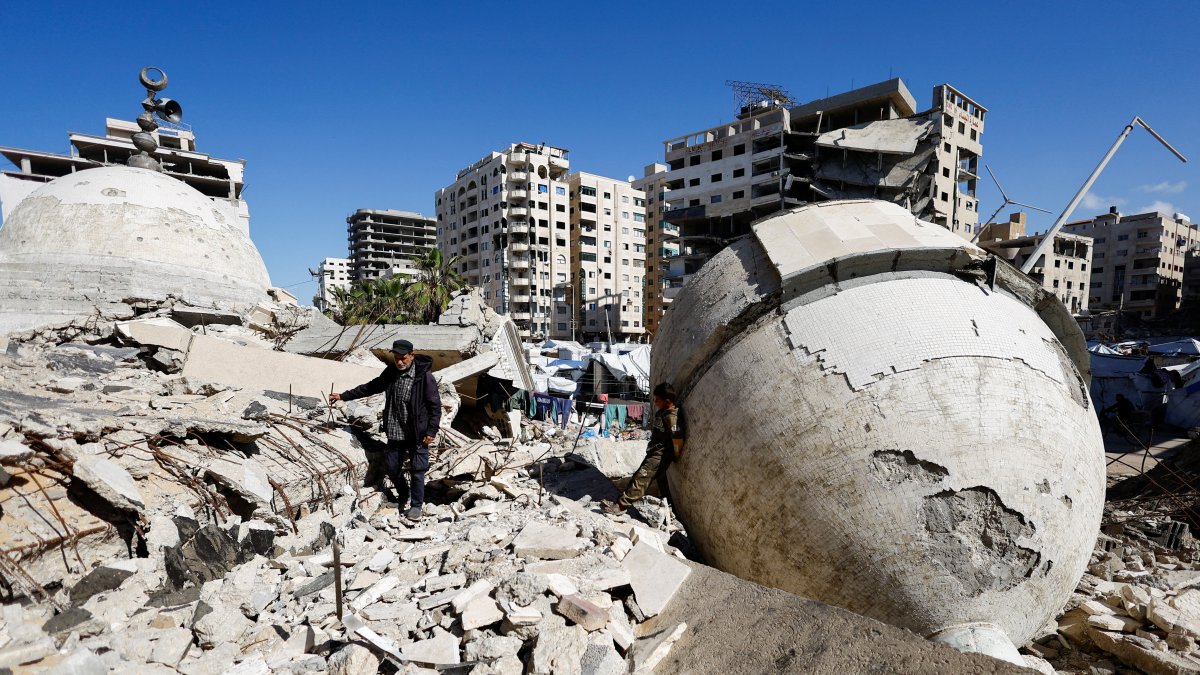
The Israeli military’s response to allegations of widespread looting and property destruction by its soldiers during operations in Gaza and Lebanon appears limited, with only one soldier facing charges for theft, according to a report by the Israeli newspaper Haaretz. This single case, resolved with a plea deal involving a 60-day prison sentence and 30 days of community service, has raised concerns that accountability for such actions is lacking, particularly given mounting evidence of more extensive misconduct.
The findings, obtained from the Israeli military establishment, suggest that the army itself acknowledges the single indictment may represent “only the tip of the iceberg,” as reported by Haaretz. This admission comes amidst a growing body of social media footage and investigations alleging soldiers have been vandalizing and looting Palestinian property. The limited prosecution stands in stark contrast to the scale of reported incidents, prompting questions about the thoroughness of investigations and the willingness to hold personnel accountable for potential war crimes.
The case centers around a reserve soldier who, during a military operation in Rafah, southern Gaza, in the summer of 2024, allegedly took cash from a bag found in a house being searched for weapons and intelligence, as detailed in the Haaretz report. The soldier attempted to deposit the funds – approximately 5,000 shekels (roughly $1,600 USD as of February 18, 2026, based on current exchange rates) – into his personal bank account in October. Bank staff flagged the deposit due to the presence of counterfeit currency, leading to a police referral and, eventually, a military police indictment six months later.
Limited Accountability Amidst Numerous Allegations
Even as the Israeli military maintains it “takes any harm to civilian property, especially acts of looting, incredibly seriously and strictly prohibits them,” the data suggests a significant gap between policy and practice. According to Haaretz, at least six additional criminal investigations were launched in 2024 concerning suspected looting or vandalism by soldiers during the conflict, but none resulted in indictments. This raises concerns about the evidentiary standards being applied and the challenges of prosecuting such cases within a military framework.
Further fueling these concerns, a freedom of information request submitted by the non-governmental organization Hatzlacha revealed the scope of alleged theft extended beyond cash. The request uncovered reports of soldiers stealing ammunition, Kalashnikov rifles, pistols, motorcycles, and even electrical appliances from Gaza, with some items reportedly being sold within Israel. The JTA reported that these findings underscore the potential for systemic issues within the ranks.
The Military Advocate General’s office also investigated allegations of more egregious misconduct, including the desecration of copies of the Quran in the Nabi Saleh Mosque near Ramallah, damage to medical equipment in a Gaza hospital, and the looting of Islamic religious items. Despite evidence, including soldiers reportedly recording themselves committing these acts, Haaretz reported that no disciplinary or criminal action was taken.
Broader Context of the Gaza Conflict and Ceasefire Violations
These allegations of looting and vandalism occur against the backdrop of a protracted and devastating conflict in Gaza. A U.S.-backed ceasefire agreement, implemented on October 10, brought a halt to Israel’s two-year war, which, according to reports, resulted in over 72,000 Palestinian deaths, the majority of whom were women and children, and more than 171,000 injuries. However, the ceasefire has been repeatedly violated, with reports of ongoing shelling and gunfire from Israeli forces.
According to Gaza’s Health Ministry, despite the ceasefire, Israeli forces have committed hundreds of violations, resulting in the deaths of 603 Palestinians and injuries to 1,618 others. These ongoing violations, coupled with the allegations of looting and property destruction, contribute to a climate of distrust and raise serious questions about adherence to international humanitarian law. The reported violations are a continuing source of tension and complicate efforts to achieve a lasting peace.
The Role of the Military Advocate General
The Military Advocate General (MAG) plays a crucial role in overseeing legal issues within the Israel Defense Forces (IDF). The MAG’s office is responsible for investigating allegations of misconduct, including war crimes, and determining whether to pursue criminal charges. Middle East Eye reports that the MAG initiated a review into potential war crimes at aid distribution sites, prompted by the rising death toll of Gazans in these areas. However, the limited number of indictments in cases of looting suggests a potential reluctance to pursue charges against soldiers, even in the face of compelling evidence.
Implications for International Law and Accountability
The allegations of looting and property destruction, if substantiated, could constitute violations of international humanitarian law, specifically the Fourth Geneva Convention, which protects civilians and their property during armed conflict. The principle of military necessity does not justify the intentional destruction or looting of civilian property. The lack of robust investigations and prosecutions raises concerns about Israel’s commitment to upholding these legal obligations.
the limited accountability for soldier misconduct could erode trust in the IDF and undermine its legitimacy, both domestically and internationally. The perception of impunity could also embolden further misconduct and contribute to a cycle of violence. Independent observers and human rights organizations have repeatedly called for thorough and impartial investigations into all allegations of war crimes committed by all parties to the conflict.
Recent Developments and Ongoing Investigations
As of February 18, 2026, the Israeli military has not announced any further indictments related to looting or property destruction in Gaza or Lebanon. The investigation into the incidents at aid distribution sites, initiated by the Military Advocate General, remains ongoing. The outcome of this investigation will be closely watched by international observers and human rights groups. The focus will be on whether the IDF is willing to hold its soldiers accountable for actions that may constitute war crimes.
The case of the single soldier charged with looting highlights a broader issue of accountability within the IDF. While the military claims to take such incidents seriously, the limited number of prosecutions suggests a systemic reluctance to hold soldiers accountable for misconduct. This lack of accountability raises serious concerns about the rule of law and the protection of civilian rights in the context of armed conflict.
The next key development to watch will be the findings of the Military Advocate General’s investigation into the incidents at aid distribution sites. A transparent and impartial investigation is crucial to ensuring accountability and restoring trust in the IDF. The international community will also be looking for evidence of a genuine commitment to upholding international humanitarian law and protecting civilian rights.
This is a developing story, and World Today Journal will continue to provide updates as more information becomes available. We encourage readers to share their thoughts and perspectives in the comments section below.
Related reading