Gymnastics World Championships Face Controversy as Israeli Participation Blocked
The International Gymnastics Federation (FIG) is facing intense scrutiny after the Court of Arbitration for Sport (Cas) rejected a request to compel them to ensure Israeli athletes could compete at the ongoing World Championships in Indonesia. This decision stems from Indonesia’s refusal to grant visas to the Israeli team, sparking accusations of discrimination and a violation of sporting principles.
The Core of the Dispute
Initially, the Israel Gymnastics Federation (IGF) appealed to Cas, seeking either a directive for the FIG to secure Israeli participation or, failing that, relocation or cancellation of the championships. They argued the FIG’s inaction constituted a “denial of justice” and unfairly discriminated against a member association.
However, Cas sided with the FIG, stating the institution has “no prerogatives” regarding visa issuance. The court determined Indonesia’s decision falls “outside the competence” of the FIG, effectively placing the responsibility solely with the host nation’s government.
IGF Condemns Indonesia’s Actions
The IGF strongly refuted this outcome,asserting Indonesia’s actions are a clear breach of established rules. They emphasized it’s “inconceivable” for a country to exclude another nation from a World Championship without repercussions from governing bodies.
This decision,according to the IGF,”undermines the very foundations of sport and fair competition” and deeply impacts the gymnasts who have dedicated themselves to this event.
Athlete Disappointment and Continued Fight
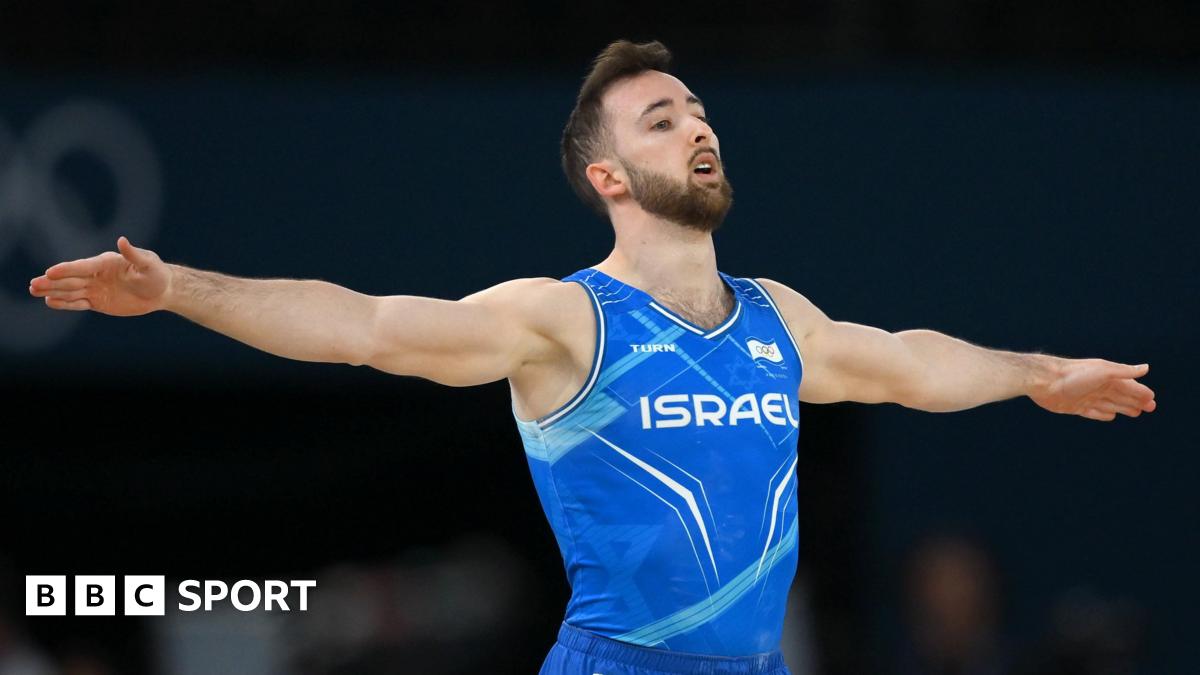
Olympic gold medalist Artem Dolgopyat expressed profound disappointment on Instagram, not only for his teammates but also regarding the potential long-term consequences for international sports. Despite the setback, Dolgopyat affirmed their commitment to “continue the fight, hoping to achieve justice.”
he, along with five other Israeli gymnasts – Eyal Indig, ron Pyatov, Lihie Raz, Yali Shoshani, and Roni Shamay – initially submitted requests to Cas alongside the IGF.Unluckily, they will no longer be able to compete in these World Championships.
A Pattern of Exclusion
This isn’t an isolated incident. In 2023, Indonesia was stripped of its hosting rights for the FIFA Under-20 World Cup due to similar issues surrounding the Israeli team’s participation. The governor of Bali refused to host the Israeli delegation, leading to the tournament’s relocation.
furthermore,Indonesia previously faced a ban from the 1964 Olympics after refusing visas to Israeli athletes for the 1962 Asian Games. While the ban was later overturned, Indonesia chose to boycott the Games altogether.
Understanding the Context
Indonesia, the world’s most populous Muslim nation, does not maintain formal diplomatic ties with Israel. This complex political landscape considerably influences these sporting controversies. You should understand that these decisions extend beyond the realm of athletics, touching upon deeply rooted geopolitical issues.
Ultimately, this situation raises critical questions about the responsibility of international sporting organizations to uphold principles of inclusivity and non-discrimination, even when faced with challenging political realities. It remains to be seen what further steps the IGF will take to address this ongoing issue and protect the rights of its athletes.
Keep reading