
Israeli Airstrikes Kill Dozens in South Lebanon as Trump Claims Role in Ceasefire Negotiations
Dozens of people have been killed in fresh Israeli airstrikes across southern Lebanon as diplomatic efforts to secure a ceasefire between Israel and Hezbollah intensify. U.S. President-elect Donald Trump has claimed he personally urged Israeli Prime Minister Benjamin Netanyahu to accept a ceasefire agreement to end the escalating regional conflict.
The surge in military activity comes at a critical juncture in negotiations mediated by the United States. While diplomatic channels work toward a formal cessation of hostilities, Israeli military operations in Lebanese territory have continued, resulting in significant casualties among the local population. Lebanese health officials and local emergency services have reported multiple fatalities in recent strikes targeting residential areas and infrastructure in the south.
Casualties Rise Amid Intensified Strikes in Southern Lebanon
Recent Israeli military operations have targeted several villages and towns in the South Lebanon governorate, according to reports from the Lebanese Ministry of Public Health. Local medical sources confirmed that the strikes resulted in dozens of deaths, though the exact final count remains difficult to verify as rescue operations continue in hard-to-reach areas. Residents in towns such as Tyre and Nabatieh described heavy bombardment that has leveled several residential buildings.
The Lebanese government has characterized these strikes as a violation of the delicate diplomatic atmosphere surrounding the proposed ceasefire. Emergency responders in the region have struggled to manage the influx of wounded, citing limited medical supplies and the difficulty of accessing strike zones due to ongoing aerial activity. Local humanitarian organizations have noted that the civilian death toll is rising as the frequency of strikes has increased in the days leading up to the potential agreement.
Israel’s military has not provided a specific breakdown of the targets hit in the most recent wave of strikes, but officials have historically stated that operations are directed at Hezbollah militants and their infrastructure. The Israeli Defense Forces (IDF) have maintained that their actions are necessary to neutralize threats posed by Hezbollah’s rocket and drone capabilities along the border.
Trump Claims Intervention in Israel-Hezbollah Negotiations
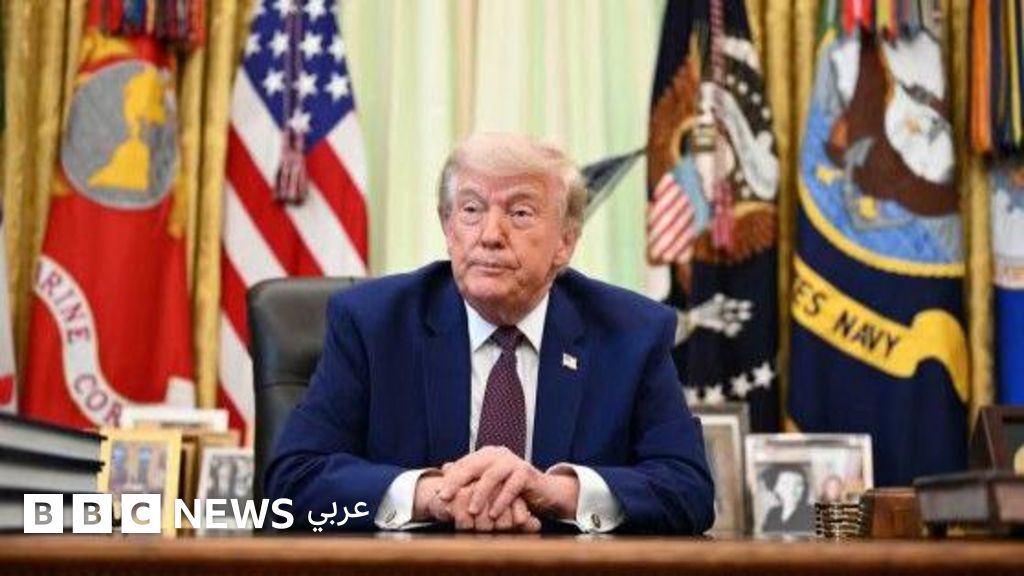
U.S. President-elect Donald Trump has stated that he played a direct role in pushing for a ceasefire between Israel and Hezbollah. In recent comments, Trump claimed he requested that Prime Minister Benjamin Netanyahu agree to a cessation of hostilities, signaling a shift in the approach of the incoming U.S. administration toward the Middle East conflict.

The claim comes as the current Biden administration continues to facilitate high-level talks between international mediators and the combatants. While the outgoing administration has been the primary architect of the current ceasefire framework, Trump’s comments suggest an attempt to exert influence before his official inauguration. Analysts suggest that Trump’s involvement may be aimed at demonstrating a “peace through strength” approach to regional stability.
Prime Minister Netanyahu has not issued a formal response to Trump’s specific claim regarding the request for a ceasefire. However, the Israeli government has remained cautious, emphasizing that any agreement must ensure the long-term security of northern Israeli communities and the permanent removal of Hezbollah forces from the border region. The tension between the desire for a swift end to the war and the demand for security guarantees remains a central obstacle in the negotiations.
The Framework of the Proposed Ceasefire Agreement
The ceasefire agreement currently under discussion is largely based on the implementation of United Nations Security Council Resolution 1701. This resolution, originally passed in 2006, calls for the cessation of hostilities and the deployment of the Lebanese Armed Forces and the United Nations Interim Force in Lebanon (UNIFIL) in the area between the Litani River and the Blue Line.
Key components of the proposed deal reportedly include:
- A complete cessation of all military activities by both Israel and Hezbollah.
- The withdrawal of Hezbollah forces from the border areas adjacent to Israel.
- The expansion of UNIFIL’s mandate and presence to ensure the area remains free of armed militants.
- A mechanism for monitoring violations and addressing immediate security concerns on both sides of the border.
Hezbollah has indicated a willingness to engage with the terms, provided that the agreement includes guarantees that Israel will not resume military operations once the deployment is complete. Conversely, Israel has demanded strict enforcement mechanisms to prevent Hezbollah from rearming or repositioning near the border under the guise of the ceasefire.
Comparing Conflict Intensity and Diplomatic Progress
The current period of heightened violence represents a significant departure from the diplomatic momentum seen in recent weeks. The following table compares the recent escalation with the period immediately preceding the intensified ceasefire talks:
| Metric | Pre-Negotiation Period | Current Escalation Period |
|---|---|---|
| Strike Frequency | Moderate, focused on specific military targets. | High, with strikes hitting broader residential areas. |
| Casualty Trends | Primarily combatant-focused reports. | Significant reports of civilian fatalities. |
| Diplomatic Status | Exploratory discussions via US/France. | Active, high-stakes mediation with US involvement. |
| Political Stakeholders | Biden administration leadership. | Dual involvement of Biden and Trump-elect. |
This comparison highlights the “last-ditch” nature of the current military activity. Observers suggest that both sides may be attempting to improve their tactical positions on the ground before a formal agreement is signed, a common phenomenon in high-stakes ceasefires.
Humanitarian Impact and Regional Stability
The humanitarian situation in southern Lebanon has reached a critical point. According to the United Nations High Commissioner for Refugees (UNHCR), hundreds of thousands of Lebanese citizens remain displaced from their homes in the south. The combined pressure of continuous displacement and the destruction of local infrastructure has strained the capacity of Lebanese social services and international aid agencies.

In the southern regions, many villages have seen significant damage to electrical grids, water systems, and schools. As the ceasefire negotiations proceed, humanitarian agencies are calling for “humanitarian pauses” to allow for the delivery of essential supplies and the evacuation of civilians from active combat zones. The ability of the Lebanese state to manage this crisis is a major concern for regional stability, as a weakened central government could lead to further volatility.
The impact extends beyond Lebanon. The broader Middle East remains on edge, with concerns that any failure of the ceasefire could lead to a wider regional conflict involving other actors. The stability of global energy markets is also tied to the outcome of these negotiations, as much of the world’s oil supply passes through or near the conflict zones.
What Happens Next in the Ceasefire Process
The immediate focus remains on the finalization of the text of the agreement and the formal acceptance by both the Israeli cabinet and the leadership of Hezbollah. The next critical checkpoint will be the official announcement from the U.S. State Department or the UN regarding the implementation timeline for the ceasefire.
Observers are watching for several key developments:
- The Israeli Cabinet Vote: Whether Prime Minister Netanyahu can secure enough support within his coalition to approve the current terms.
- Hezbollah’s Formal Response: A definitive statement from the group regarding their compliance with the proposed withdrawal and monitoring terms.
- UNIFIL Deployment: The logistical readiness of UN peacekeepers to expand their operations as required by the agreement.
The success of the ceasefire depends not only on the signing of a document but on the creation of a credible enforcement mechanism that satisfies the security requirements of Israel and the sovereignty concerns of Lebanon.
We will continue to monitor official statements from the Lebanese Ministry of Health, the Israeli Defense Forces, and international diplomatic bodies for further updates. Please share this report and join the conversation in the comments below regarding the implications of these developments for regional peace.