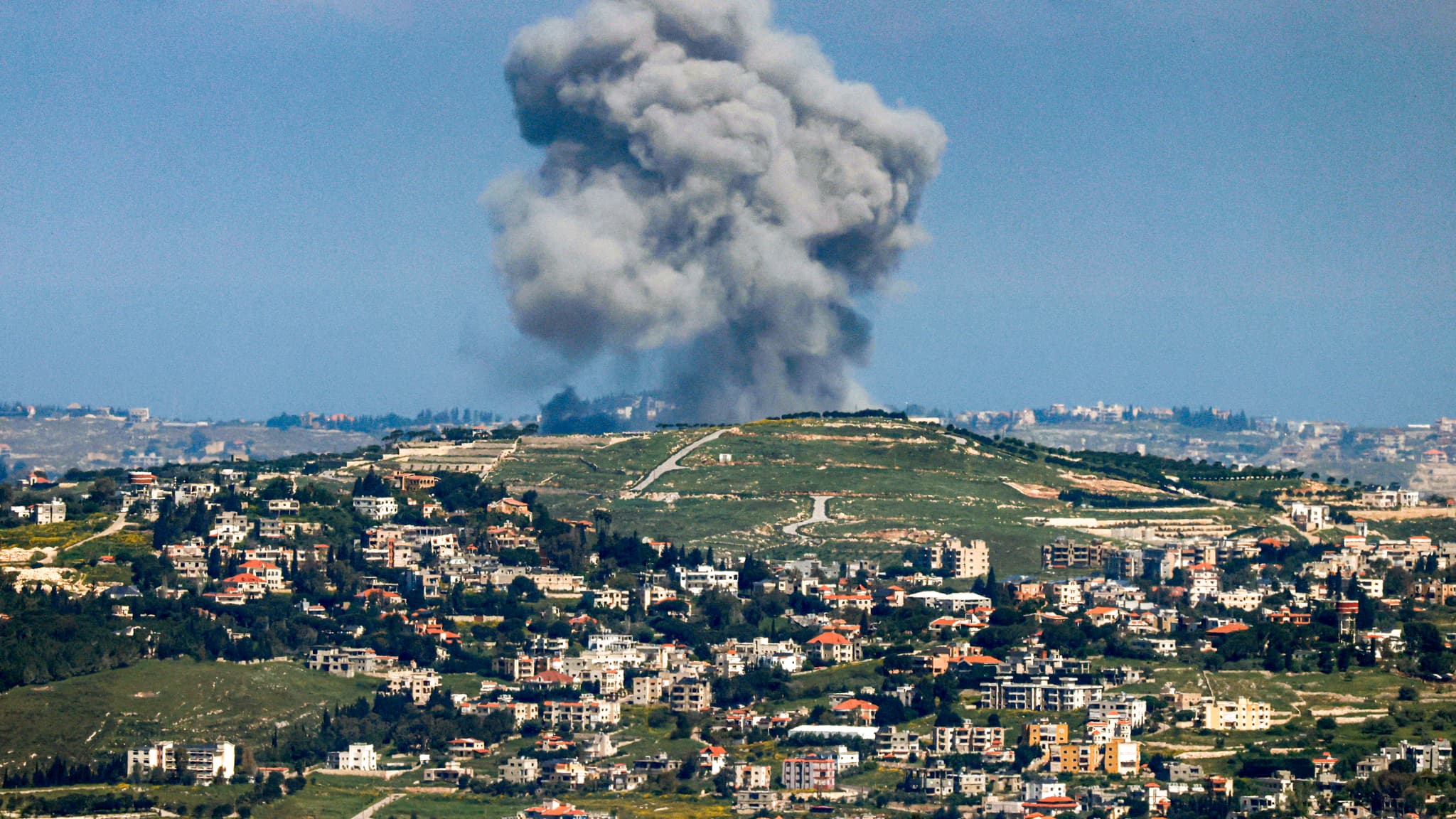
Ongoing hostilities in the Middle East have resulted in at least 23 deaths in Lebanon following recent Israeli military strikes, despite a declared ceasefire between Israel and Hezbollah. The violence, concentrated in the eastern and southern regions of Lebanon, has raised significant concerns regarding the stability of the fragile agreement meant to halt the intense cross-border fighting that has gripped the region for months. According to reports from the Associated Press and Reuters, the casualties include civilians, highlighting the immediate humanitarian impact of the renewed kinetic activity.
The ceasefire, which was intended to facilitate a withdrawal of forces and a cessation of rocket fire and airstrikes, is currently under severe strain as both Israel and Hezbollah trade accusations of violating the terms of the truce. The breakdown of the agreement has led to a volatile security environment, with international observers and local officials struggling to maintain communication channels to prevent a broader escalation. As of late November 2024, the situation remains fluid, with international mediators calling for immediate restraint to prevent the conflict from spiraling back into full-scale warfare.
Status of the Israel-Hezbollah Ceasefire
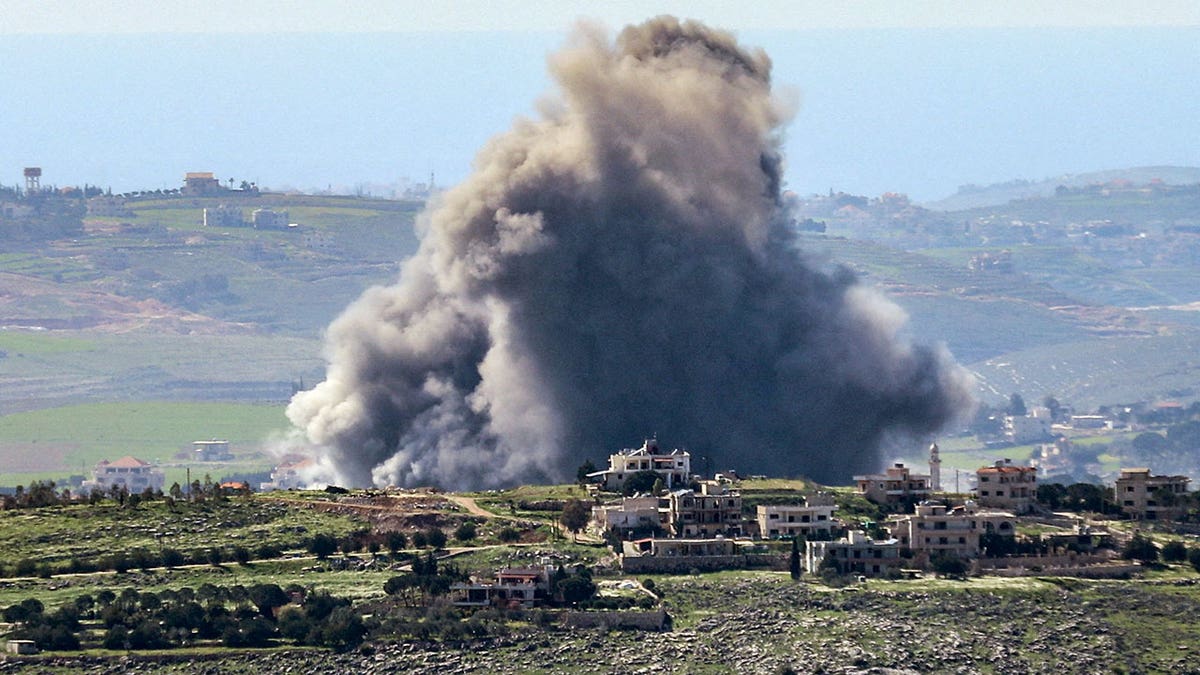
The ceasefire agreement, brokered with international support, was designed to create a buffer zone and allow for the return of displaced populations on both sides of the border. However, the recent strikes in the Bekaa Valley and southern Lebanon have effectively halted the normalization process. The Israeli military has stated that its actions were in response to perceived threats and movements by Hezbollah militants, which they categorize as breaches of the ceasefire protocols. Conversely, Lebanese officials have condemned the strikes as a direct violation of the sovereign integrity of their territory and the terms of the international agreement, as reported by the Al Jazeera news service.

The discrepancy in how the ceasefire is being interpreted by the two parties underscores the fragility of the current arrangement. While Israel emphasizes the necessity of “active defense” to prevent the regrouping of Hezbollah forces, Lebanon and its local representatives argue that any unilateral military action by Israel undermines the entire framework of the truce. This lack of a unified enforcement mechanism has left the civilian population in southern Lebanon and northern Israel in a state of continued uncertainty.
Humanitarian Impact and Regional Security
The human toll of the recent strikes has been significant, with the death count rising to at least 23 individuals, according to security officials cited by France 24. These casualties represent the deadliest single-day occurrence since the ceasefire was officially announced. The strikes have targeted infrastructure and residential areas, further complicating the delivery of humanitarian aid to the affected regions. International humanitarian organizations have urged all parties to prioritize the protection of non-combatants and to provide safe passage for medical supplies.
The geopolitical repercussions extend beyond the immediate border area. The closure of transit routes and the heightened state of military alert have impacted regional trade and stability. The volatility of the situation has prompted various nations to issue updated travel advisories for the Levant region, urging citizens to avoid non-essential travel due to the risk of rapid escalation. Detailed information regarding regional safety and evacuation protocols can be found on the official portals of the U.S. Department of State.
What Happens Next
The coming days will be critical in determining whether the ceasefire can be salvaged or if the region faces a return to sustained conflict. Diplomatic efforts led by the United States and France are ongoing, with representatives working to clarify the “rules of engagement” and establish a more robust monitoring system for the border area. The next scheduled update from the United Nations Interim Force in Lebanon (UNIFIL) is expected to provide a clearer picture of the adherence to the ceasefire on the ground, as mandated by UN Security Council resolutions.
Observers are closely watching for any public statements from the Israeli cabinet or the leadership of Hezbollah that might signal a willingness to return to the negotiating table. The success of these discussions depends heavily on the ability of international mediators to provide security guarantees that satisfy both parties. We invite our readers to share their perspectives on these developments in the comments section below, and we encourage you to stay informed through verified updates as this situation continues to evolve.