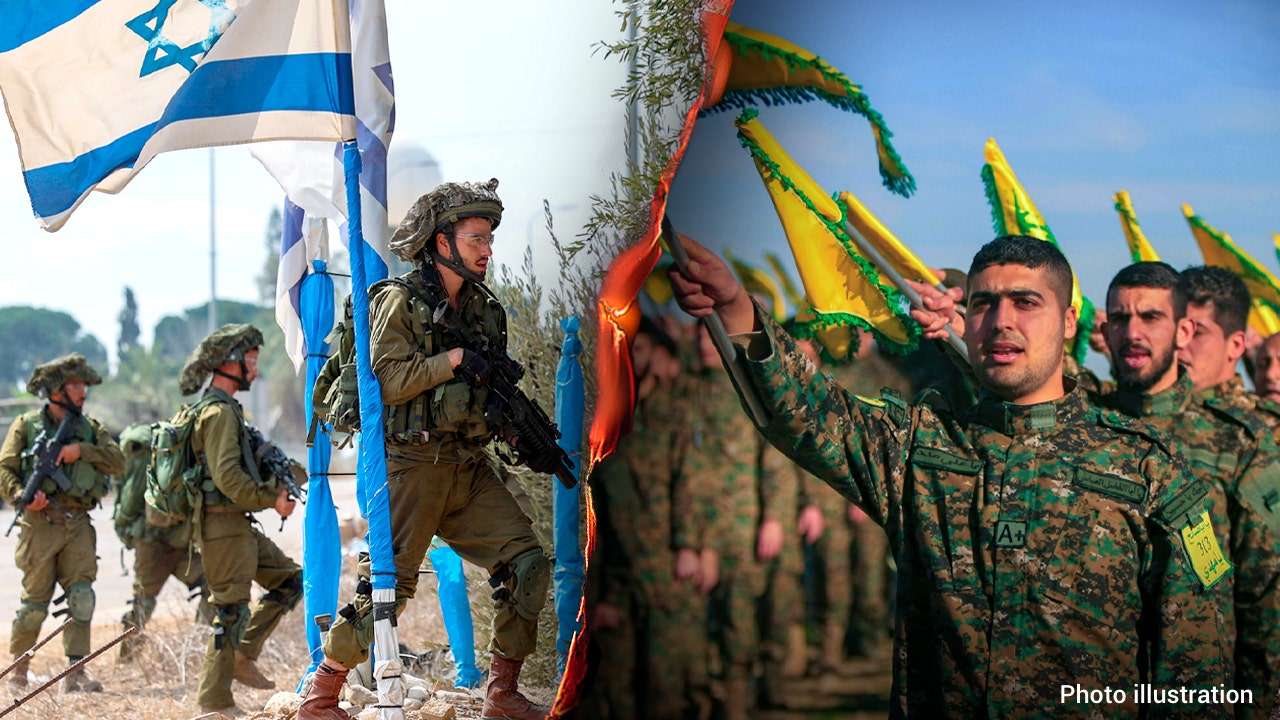
Intensified hostilities between Israel and Hezbollah in southern Lebanon reached a new threshold on June 5, 2026, as the Israel Defense Forces (IDF) reported significant strikes against militant infrastructure while Hezbollah claimed a series of coordinated ground-level attacks. The escalation comes amid heightened regional diplomatic tensions, with Lebanese leadership expressing concern over the country’s role in wider geopolitical negotiations involving the United States and Iran.
According to official Israeli military assessments, the IDF conducted a series of operations over the preceding week, resulting in more than 650 strikes against Hezbollah targets and the reported elimination of at least 125 militants in southern Lebanon. These operations, as detailed by the Israel Defense Forces, were characterized as part of a broader campaign to degrade the operational capabilities of the group along the border. Simultaneously, Hezbollah claimed responsibility for approximately 20 distinct attacks against Israeli troop positions within southern Lebanon, according to reports from the group’s affiliated media outlets.
Geopolitical Tensions and Regional Bargaining
The military escalation coincides with mounting political friction in Beirut. Lebanese President Joseph Aoun issued a formal warning on June 5, 2026, characterizing the ongoing conflict as a symptom of Iranian foreign policy. Aoun stated that Iran was “using Lebanon as a bargaining chip in their negotiations with the U.S.” and labeled the situation as “unacceptable.” This rhetoric highlights the precarious position of the Lebanese state, which remains caught between internal security challenges and the influence of external regional actors, as monitored by the United Nations Security Council reporting on regional stability.
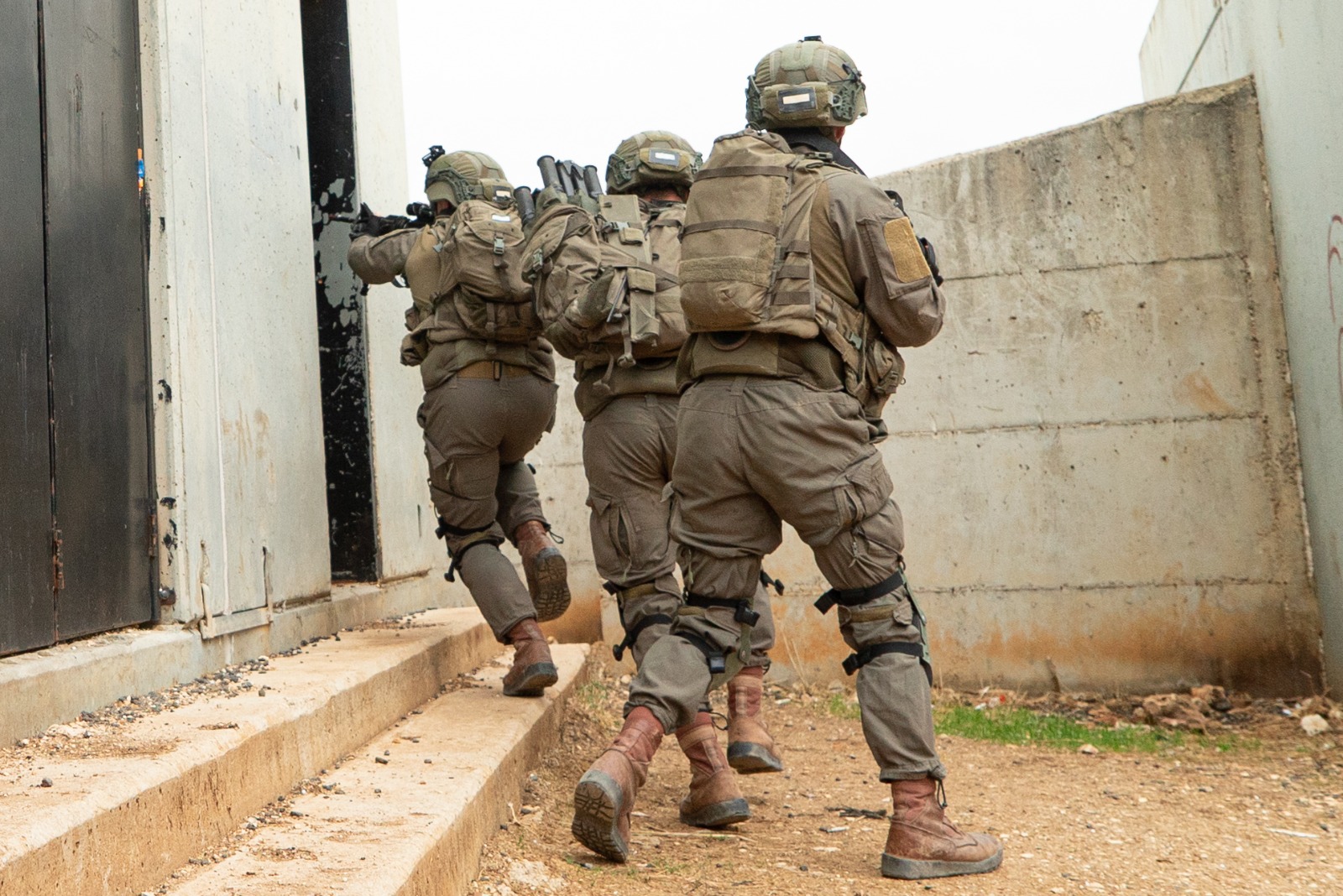
The use of Lebanon as a proxy theater remains a primary concern for international observers. While the IDF continues its focus on tactical objectives, the diplomatic dimension introduced by President Aoun suggests that the conflict is unlikely to be resolved through military attrition alone. The interplay between U.S.-Iran diplomatic channels and the ground reality in southern Lebanon continues to be a focal point for the U.S. Department of State in its regional diplomatic briefings.
Operational Impact on Southern Lebanon
The intensity of the fighting has led to significant displacement and infrastructure damage in the border region. The IDF’s claim of 650-plus strikes over a seven-day window represents a concentrated effort to neutralize launch sites and command centers, according to Reuters coverage of regional security developments. These strikes have predominantly targeted areas identified by the Israeli military as Hezbollah strongholds.
Hezbollah’s reported 20 attacks against Israeli troops reflect a persistent, if lower-volume, tactical response. By maintaining these operations, the group aims to exert pressure on Israeli forces, despite the disparity in the scale of reported casualties and structural damage. The ongoing nature of these skirmishes underscores the volatility of the Blue Line, the unofficial border between Lebanon and Israel, which has seen near-daily activity since the conflict began to escalate in late 2023, according to UNIFIL monitoring data.
Future Outlook and Escalation Risks
The current trajectory suggests a period of sustained high-intensity friction. As the Israeli military continues its campaign to dismantle Hezbollah’s forward-deployed assets, the potential for unintended escalation remains high. Observers note that the lack of a formal ceasefire mechanism leaves the situation largely dependent on the internal calculations of the respective military commands.

The next confirmed checkpoint for regional stakeholders will be the upcoming session of the United Nations Security Council, where the situation in Lebanon is expected to be addressed in the context of broader Middle East stability. Public access to these proceedings and official statements from the Lebanese government can be tracked via the Lebanese Presidency official portal. Readers are encouraged to monitor these official channels for updates on the humanitarian and diplomatic response to the ongoing violence.
We welcome your perspectives on these developments. Share this report on social media or join the discussion in the comments section below.
Keep reading
- GSK Medical Affairs Strategy & Performance Lead Job in Abbotsford, Australia
- Trump Imposes 15% Tariff on Polysilicon to Counter China
- Fittipaldi Warns of Russell-Antonelli Rivalry at Mercedes (archynewsy.com)
- Canter Warns Acting Attorney General Blanche May Weaponize Justice Department (newsdirectory3.com)