Israel has launched fresh airstrikes targeting Hezbollah positions in southern Lebanon, intensifying the border conflict despite a recent, fragile period of de-escalation between Israel and Iran. These military operations come as the regional standoff threatens to disrupt ongoing diplomatic efforts involving the United States and Iran to stabilize Middle East security and address broader geopolitical tensions.
The strikes, which focused on Hezbollah infrastructure and command centers in southern Lebanon, mark a significant shift in the intensity of the cross-border hostilities. While direct military exchanges between Israel and Iran had seen a temporary lull, the renewed activity in Lebanon suggests that the “shadow war” between the two regional powers is rapidly moving back into the light, with Hezbollah serving as the primary front for this escalation.
Israel intensifies strikes against Hezbollah in Southern Lebanon
The latest Israeli military operations targeted several locations across southern Lebanon, according to reports from Reuters. The Israel Defense Forces (IDF) stated that the strikes were aimed at neutralizing Hezbollah’s ability to launch rocket and drone attacks against northern Israeli communities. These targets reportedly included munitions depots, communication hubs, and tactical command posts situated within civilian-populated areas.
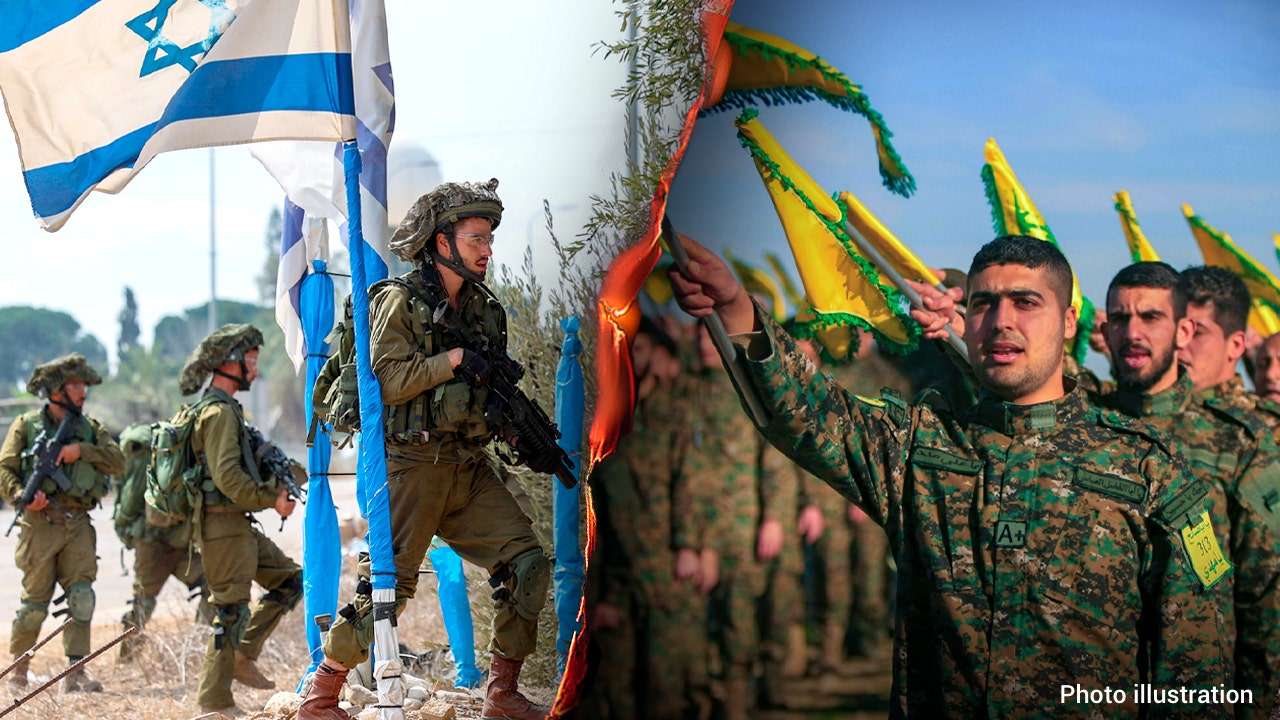
Hezbollah, the Lebanese militant group and political party, responded to the strikes with a barrage of rocket fire directed toward northern Israel. The group’s leadership has maintained that its actions are a direct response to Israeli aggression in Lebanon and a show of solidarity with other regional actors, including Palestinian groups in Gaza. The continuous exchange of fire has forced thousands of civilians on both sides of the border to flee their homes, creating a growing humanitarian crisis in southern Lebanon and northern Israel.
Military analysts suggest that the timing of these strikes is significant. They follow a brief period where the direct threat of an all-out war between Israel and Iran appeared to have receded. However, the intensification of the Lebanon front indicates that the conflict is far from being contained. The Israeli military’s objective appears to be the degradation of Hezbollah’s long-range capabilities before they can be used in a more coordinated large-scale offensive.
The link between the Lebanon conflict and U.S.-Iran diplomacy
The renewed strikes in Lebanon represent a complicating factor for international diplomats. For several months, the United States has been attempting to navigate a delicate path of de-escalation involving Tehran. While there are no formal “peace talks” between Israel and Iran, the U.S. has been working to mediate regional stability to prevent a wider conflagration that could involve direct Iranian intervention.
The Israeli campaign against Hezbollah has become a significant obstacle to these broader diplomatic objectives. According to diplomatic sources cited by the Associated Press, any progress in high-level negotiations regarding Iran’s nuclear program or regional security is heavily influenced by the stability of the Levant. When Israel increases its kinetic activity against Iranian-backed proxies like Hezbollah, it limits the diplomatic “maneuvering room” available to U.S. officials seeking to reach a consensus with Tehran.
The dilemma for Washington is twofold: the U.S. must support Israel’s right to defend its northern border from Hezbollah’s rocket fire, while simultaneously working to prevent the conflict from expanding into a direct Israel-Iran war. The recent strikes in Lebanon suggest that the window for a quiet, diplomatic resolution is narrowing as the tactical realities on the ground demand more aggressive military responses from Israel.
A fragile de-escalation: The Israel-Iran dynamic
To understand the current volatility, one must look at the recent history of the Israel-Iran relationship. For years, the two nations have engaged in a “shadow war” characterized by cyberattacks, maritime sabotage, and targeted assassinations. However, earlier this year, this conflict shifted toward more direct, overt military confrontations, involving direct missile and drone exchanges between the two nations.
The “pull back” mentioned by regional observers refers to a period of relative restraint that followed these direct exchanges. During this time, both sides appeared to be testing the boundaries of international red lines while avoiding a total regional war. This period of restraint was seen by many as a vital opportunity for the United States to engage in back-channel communications with Iran to establish a new “status quo” of de-escalation.
However, the recent strikes in Lebanon indicate that this status quo was unsustainable. Hezbollah’s role as a key pillar of Iran’s “Axis of Resistance” means that any Israeli move to weaken the group is viewed by Tehran as a direct challenge to its strategic depth. Consequently, the conflict in Lebanon is not merely a border dispute; it is a central component of the broader struggle for regional hegemony between Israel and Iran.
Summary of Regional Tensions
- Primary Conflict Zone: The border between Southern Lebanon and Northern Israel.
- Key Actors: Israel (IDF), Hezbollah (Lebanese militia), and Iran (supporting Hezbollah).
- Diplomatic Context: U.S.-led efforts to prevent a regional escalation and manage Iran-related security issues.
- Current Status: Increased military activity in Lebanon following a brief period of relative calm.
What happens next: The path to escalation or containment?
The immediate future depends on whether the current cycle of strikes and rocket fire can be contained within the Lebanese-Israeli border. There are several potential trajectories for the conflict:

1. Continued Border Attrition: Israel may continue its targeted strikes against Hezbollah infrastructure to diminish its threat level, while Hezbollah maintains a level of rocket fire to deter a full-scale ground invasion. This scenario would result in a prolonged, low-intensity conflict with significant civilian displacement.
2. Full-Scale Regional Escalation: Should Israel decide that Hezbollah’s capabilities cannot be contained through airstrikes alone, a ground operation in Southern Lebanon could be launched. Such a move would likely trigger a more significant response from Iran, potentially involving direct strikes or more aggressive involvement from other regional proxies.
3. Diplomatic Breakthrough: Under intense pressure from the United States and the United Nations, both Israel and Hezbollah could agree to a ceasefire or a renewed implementation of UN Security Council Resolution 1701. This would require significant concessions from both sides and a commitment from Iran to restrain its proxies.
For now, the international community is watching the Lebanese border closely. The ability of diplomats to decouple the Lebanon-Israel conflict from the broader Israel-Iran tension remains the most critical challenge in the Middle East today.
The next major checkpoint in this developing situation will be the upcoming scheduled security briefings from the Israeli Defense Forces and the subsequent diplomatic statements from the U.S. State Department regarding their mediation efforts. We will continue to provide live updates as more information becomes available.
What are your thoughts on the potential for a diplomatic resolution in the Middle East? Share this article and join the conversation in the comments below.
- Vienna Breaks National Temperature Record Amid Intense Austrian Heatwave
- USA vs Canada: From Neighbors to Rivals Explained
- Qatar Reports Progress in Diplomatic Efforts to End US-Iran Conflict (archyworldys.com)
- WTO: Global Trade Remains Resilient in Q1 2026 Despite Middle East Conflict (newsdirectory3.com)