
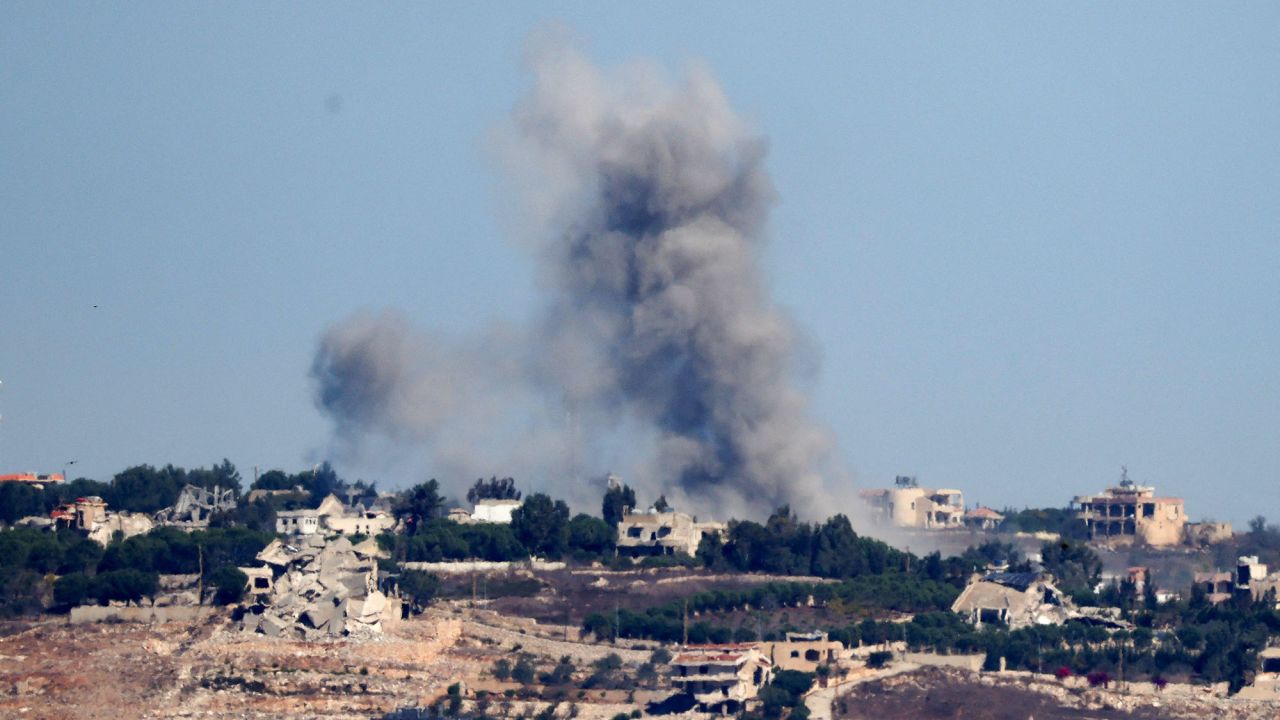
Israeli airstrikes hit the town of Beit Yahoun and areas near Kafr Rumman in South Lebanon, resulting in multiple fatalities and increasing the casualty count in the ongoing regional conflict. Reports from local media outlets indicate that the strikes targeted specific vehicles and residential locations, prompting Hezbollah to issue a statement regarding the continuous violation of Lebanese sovereignty.
The strikes in Beit Yahoun, according to reports from the China Network, involved two separate aerial bombardments. Simultaneously, a drone strike near the town of Kafr Rumman killed at least two individuals after targeting a vehicle, as reported by Al Masry Al Youm. These incidents occurred amidst a broader escalation of military activity along the border between Israel and Lebanon.
The humanitarian impact of the recent military operations continues to rise. Al Arabiya reported that the total number of casualties from Israeli attacks in Lebanon has reached approximately 4,230 deaths and 12,179 injuries. While these figures represent the cumulative toll of the current conflict, the recent strikes in the south highlight the immediate danger to civilians and combatants alike in the border regions.
What are the details of the recent strikes in South Lebanon?
Military activity has concentrated on several key locations in the southern governorates of Lebanon. In Beit Yahoun, the two airstrikes caused significant local disruption, though specific details regarding the immediate aftermath and the identity of those killed in that specific town remain under verification by local emergency services. The strikes appear to be part of a pattern of targeted aerial operations in the southern reaches of the country.
In the area of Kafr Rumman, the nature of the attack involved unmanned aerial vehicles (UAVs). According to Al Masry Al Youm, the drone strike targeted a moving vehicle, resulting in the deaths of two people. This method of engagement—targeting mobile assets via drone—has become a frequent characteristic of the recent hostilities in the region. Other reports from Al Shorouk indicated that a separate strike on a vehicle in South Lebanon left three people dead and one wounded, suggesting that multiple kinetic events occurred in close proximity.
These incidents reflect the highly volatile nature of the South Lebanon border, where rapid-response aerial strikes are frequently reported. Security analysts note that the use of precision-guided munitions and drones in these areas is intended to target specific movement, though the proximity to civilian infrastructure remains a constant concern for international observers.
How has Hezbollah responded to the military escalation?
Hezbollah, the Lebanese militant group and political party, has maintained a stance of active monitoring in response to the Israeli military’s operations. According to Monte Carlo International, the group stated that “violations are ongoing” and emphasized that they are closely observing the movements and strikes within Lebanese territory.

The group’s response typically involves both rhetorical condemnation and retaliatory actions. In recent weeks, Hezbollah has frequently claimed responsibility for rocket and drone launches directed toward northern Israeli territories in response to strikes on Lebanese soil. The group characterizes the Israeli presence and its aerial incursions as a direct breach of international law and Lebanese sovereignty.
The cycle of “strike and response” has created a precarious security environment. Hezbollah’s leadership has reiterated that their monitoring of these “breaches” is intended to inform their tactical decisions, suggesting that the group remains prepared to escalate its defensive or retaliatory postures if the frequency or intensity of the airstrikes increases.
Comparing casualty reports and conflict data
The scale of the conflict is often reflected in the varying figures provided by different news organizations and official bodies. Because the conflict involves high-intensity kinetic operations, real-time data can fluctuate significantly depending on the source’s proximity to the ground and the timing of their reporting.
The following table compares the specific casualty reports mentioned in recent media coverage:
| Location/Event | Reported Fatalities | Reported Injuries | Primary Source Cited |
|---|---|---|---|
| Cumulative Lebanese Totals | 4,230 | 12,179 | Al Arabiya |
| Kafr Rumman (Vehicle Strike) | 2 | Not specified | Al Masry Al Youm |
| South Lebanon (General Vehicle Strike) | 3 | 1 | Al Shorouk |
While the cumulative figures provided by Al Arabiya offer a macro view of the conflict’s devastation, the localized reports from Al Masry Al Youm and Al Shorouk provide a micro view of the immediate lethality of specific tactical strikes. The discrepancy between individual incident counts and the massive cumulative total underscores the sustained nature of the hostilities over several months.
The strategic implications of the South Lebanon conflict
The intensification of strikes in towns like Beit Yahoun and Kafr Rumman signifies a shift in the tactical landscape of the Israel-Lebanon border. The focus on vehicle strikes suggests an intelligence-driven approach aimed at disrupting the movement of personnel and logistics. However, this approach carries a high risk of collateral damage in the densely populated southern regions of Lebanon.

For the international community, the continued escalation presents several challenges:
- Humanitarian Crisis: The high number of casualties, as reported by Al Arabiya, places an immense strain on Lebanon’s healthcare infrastructure, which is already struggling with economic instability.
- Regional Stability: The “monitoring” stance of Hezbollah suggests that any significant increase in Israeli strikes could trigger a wider-scale confrontation involving more sophisticated weaponry.
- Sovereignty and Law: The ongoing debate regarding “breaches” of sovereignty highlights the difficulty of enforcing international borders in a zone of active conflict.
The geographic concentration of these strikes in South Lebanon also impacts the displacement of local populations. As airstrikes become more frequent, the movement of civilians away from the border zones creates a secondary humanitarian challenge for the Lebanese government and international aid agencies.
Observers are looking toward upcoming diplomatic efforts and potential ceasefire negotiations, though as of the latest reports, the military operations show no immediate signs of deceleration. The focus remains on the immediate security of the border and the prevention of a full-scale regional war.
The next major developments will likely depend on official statements from the Lebanese Ministry of Health regarding updated casualty figures and any formal responses from the United Nations Interim Force in Lebanon (UNIFIL) regarding the recent violations in the Blue Line area.
What are your thoughts on the escalating situation in South Lebanon? Share this article and join the conversation in the comments below.
- Leaf in a Forest Explores Orchestral Indie Soundscapes in New Project ‘Compass
- Misje Verde Black Box Retrieved After Fatal Tjörn Boat Crash
- Police Locate Teen Linked to Double Family Death Investigation in Acton (news-usa.today)
- Lionel Messi Questions Football Future Following Father’s Death (archynewsy.com)