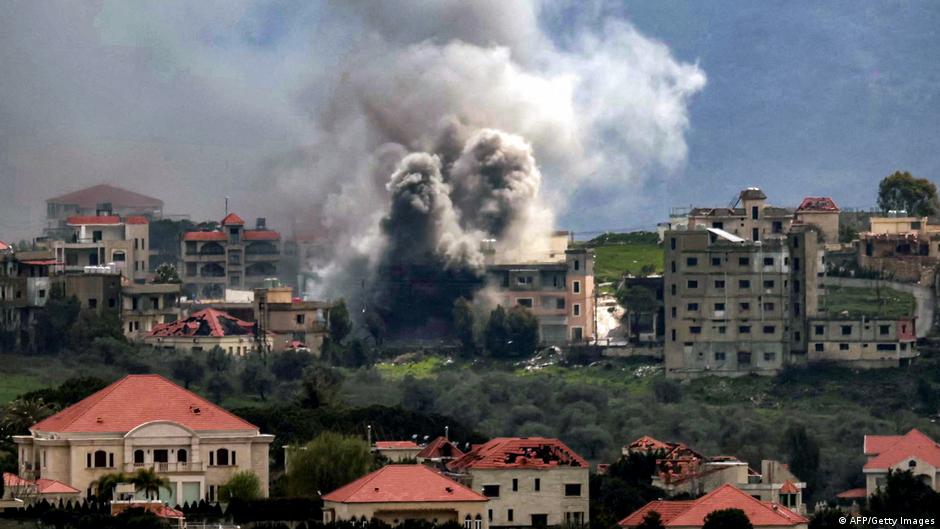
Beirut, Lebanon – Escalating tensions in the Middle East have seen a significant increase in Israeli military action, with new strikes targeting both Iranian and Lebanese territories. The recent wave of attacks, including a notable assault on Beirut, marks a dangerous intensification of the conflict, raising concerns about a wider regional war. The situation remains highly volatile as Israel continues to respond to recent attacks attributed to Iran and its proxies.
The latest developments approach amidst a backdrop of heightened geopolitical instability, fueled by the ongoing conflict in Gaza and broader regional rivalries. While Israel has not officially commented on the specific objectives of the recent strikes, they appear to be part of a broader strategy to deter further aggression and dismantle what it describes as a network of Iranian-backed militant groups operating in the region. The attacks have drawn condemnation from international observers, who are urging restraint and a return to diplomatic efforts.
Israel Intensifies Strikes in Lebanon, Targeting Beirut
Over the past several days, Israel has significantly escalated its attacks on Lebanon, with a particular focus on areas in and around Beirut. These strikes represent a departure from previous engagements, hitting areas not targeted during the 2024 war between Hezbollah and Israel, according to Al Jazeera. On March 13, 2026, Israeli strikes in Beirut resulted in the deaths of more than 25 people in the capital and in southern and eastern Lebanon, marking a punishing front in the wider conflict with Iran. A strike early Friday hit a car in Jnah, a coastal neighborhood in southwestern Beirut, killing one person, according to the Lebanese Ministry of Public Health.
Another strike targeted an apartment in the Nabaa neighborhood, an area with a sizable Armenian community, causing a fire but with no immediate reports of casualties. The intensity of the attacks has led to widespread displacement, with more than 800,000 people forcibly displaced by Israeli actions in less than two weeks, as reported by Al Jazeera. The Israeli army has claimed to be targeting Hezbollah members in Beirut, alleging they were using buildings to store cash reserves.
Attacks on Iranian Soil and Escalating Tensions
Alongside the intensified attacks in Lebanon, Israel has also reportedly conducted strikes within Iran itself. Reports indicate that Israel targeted a site west of Tehran, reportedly eliminating a group of Iranian soldiers who were attempting to evade detection after leaving a drone storage facility, according to Infobae. This action further escalates the conflict and raises the specter of direct military confrontation between Israel and Iran.
The conflict is increasingly viewed as entering a decisive phase, with Israel asserting that the situation is rapidly evolving. Portafolio.co reports that Israel believes the conflict with Iran has entered a critical stage, suggesting a potential shift in strategy or an anticipated escalation of hostilities.
Humanitarian Impact and Regional Concerns
The escalating conflict is having a devastating humanitarian impact, particularly in Lebanon. The attacks have resulted in a significant number of casualties, with at least 687 people killed in Israeli attacks on Lebanon in less than two weeks, including 98 children, as reported by Al Jazeera. The widespread displacement of over 800,000 people is creating a growing humanitarian crisis, with limited access to essential resources such as food, water, and medical care.
The international community is expressing growing concern about the potential for the conflict to spiral out of control. Diplomatic efforts are underway to de-escalate tensions and prevent a wider regional war, but the prospects for a peaceful resolution remain uncertain. The involvement of multiple actors, including Iran, Hezbollah, and various regional powers, complicates the situation and makes it tough to find a sustainable solution.
Looking Ahead: Potential Scenarios and Next Steps
The immediate future remains uncertain, with the potential for further escalation or a de-escalation of hostilities. Israel has signaled its intention to continue targeting what it perceives as threats from Iran and its proxies, while Iran has vowed to retaliate against any further attacks. The coming days and weeks will be critical in determining the trajectory of the conflict.
The United Nations has warned of a widening crisis in Lebanon, with the potential for a large-scale humanitarian disaster. International aid organizations are working to provide assistance to those affected by the conflict, but their efforts are hampered by the ongoing violence and limited access to affected areas. The situation requires a concerted international effort to address the immediate humanitarian needs and to find a lasting political solution.
The next significant development to watch for is the response from Iran to the recent Israeli strikes. Any further escalation could have far-reaching consequences for the region and beyond. Continued monitoring of the situation and diplomatic engagement will be crucial in preventing a wider conflict.
What are your thoughts on the escalating tensions in the Middle East? Share your comments below and share this article with your network.
Keep reading