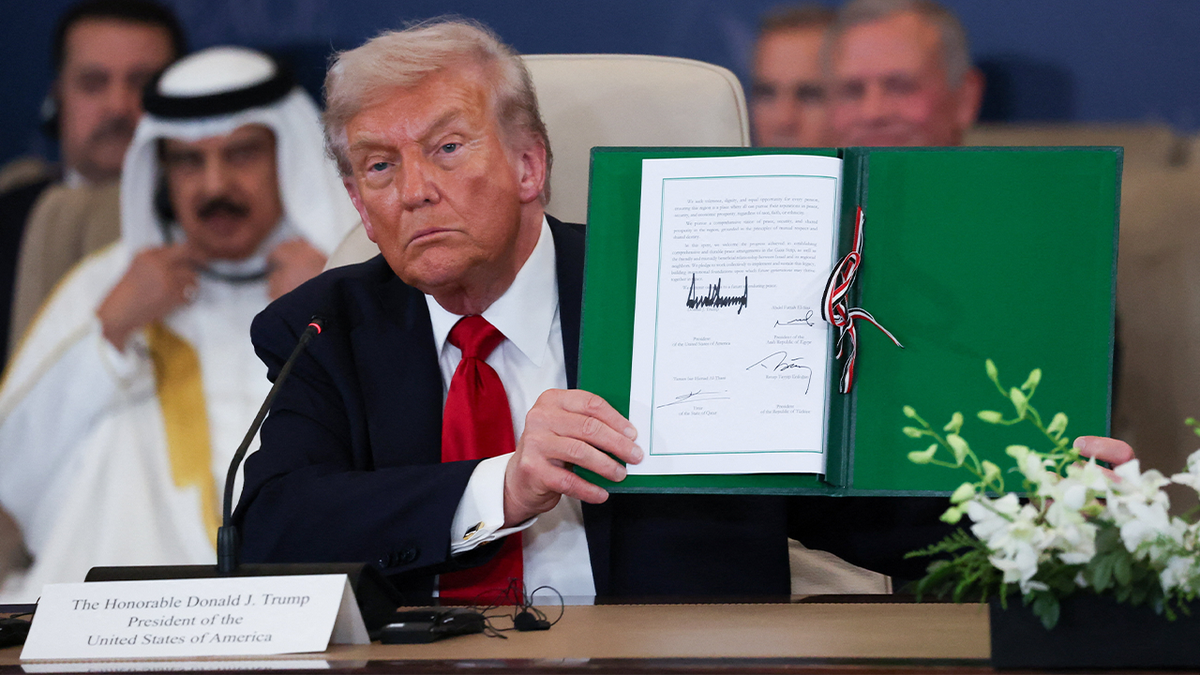
Former U.S. President Donald Trump announced on Friday, April 11, 2025, that Israel and Lebanon had agreed to a 10-day ceasefire, marking a significant diplomatic development in the ongoing Israel-Hezbollah conflict. According to Trump’s statement, the truce was brokered through direct U.S. Engagement and aimed at reducing hostilities along the Israel-Lebanon border, where frequent exchanges of fire have occurred since the escalation of hostilities following the October 7, 2023, Hamas-led attack on Israel. The announcement came amid growing international concern over the risk of a broader regional war involving Iran-backed groups across the Middle East.
The ceasefire announcement was reported by multiple international news outlets, including BBC and NBC News, which confirmed that both Israeli and Lebanese officials had acknowledged the agreement, though details regarding its implementation and monitoring mechanisms remained limited at the time of the announcement. Trump characterized the deal as a step toward de-escalation, urging Hezbollah to “act nicely and well” during the truce period—a remark that drew both attention and criticism for its informal tone in addressing a designated terrorist organization.
Despite the announcement, reports emerged within hours suggesting that the ceasefire faced immediate challenges. Lebanese state media and several international correspondents cited Israeli military activity in southern Lebanon shortly after the truce was said to have taken effect, raising questions about compliance on the ground. The Lebanese government, through its state news agency, accused Israel of violating the ceasefire by conducting artillery strikes and aerial surveillance near border villages, claims that Israel did not immediately address publicly.
Hezbollah, the Iran-backed militant group that has been engaged in periodic cross-border clashes with Israeli forces since October 2023, did not issue an immediate public response to Trump’s announcement. However, the group has previously conditioned any ceasefire on a halt to Israeli military operations in Gaza and the release of Palestinian prisoners—a linkage that complicates efforts to isolate the Lebanon-Israel front from the broader Gaza conflict.
Lebanese President Joseph Aoun, who assumed office in January 2025 after a prolonged presidential vacancy, reportedly declined a request for direct contact with Israeli Prime Minister Benjamin Netanyahu, according to Lebanese presidential sources cited by regional media. The refusal underscored the continued absence of formal diplomatic relations between Lebanon and Israel, two countries that remain technically in a state of war despite decades of intermittent armistice agreements.
The 10-day timeframe specified in Trump’s announcement aligns with previous short-term humanitarian pauses brokered by international actors during the Gaza war, such as the November 2023 truce that facilitated the release of hostages and the delivery of aid. However, unlike those earlier arrangements—which were often mediated by Qatar and Egypt and included verifiable mechanisms for monitoring compliance—this latest ceasefire appeared to lack clear international oversight or reporting structures, raising concerns about its durability.
Analysts noted that the announcement came during a period of heightened diplomatic activity involving the United States, with Trump positioning himself as a potential mediator in regional conflicts despite no longer holding office. His involvement reflects a broader trend of former U.S. Leaders engaging in back-channel diplomacy, though such efforts typically carry limited weight without the backing of current governmental authority or international institutions like the United Nations Security Council.
As of the latest verified reports, the status of the ceasefire remains uncertain, with conflicting accounts emerging from the ground about whether hostilities have truly diminished. International observers, including UN peacekeeping personnel stationed in southern Lebanon under the UNIFIL mandate, have not issued an independent assessment of the truce’s observance, leaving the situation fluid and dependent on further developments in both the Gaza and Lebanon fronts.
The episode highlights the fragility of ceasefire agreements in asymmetric conflicts where non-state actors like Hezbollah operate alongside state militaries and where external announcements may not reflect the realities of command and control on the ground. It also underscores the challenges of achieving durable de-escalation when core political demands—such as Israel’s security guarantees and Lebanon’s insistence on sovereignty and reconstruction—remain unaddressed.
For ongoing updates on the Israel-Lebanon border situation, readers are encouraged to consult official statements from the United Nations Interim Force in Lebanon (UNIFIL), the Lebanese Ministry of National Defense, and the Israel Defense Forces (IDF) spokesperson unit, which regularly publish operational reports and situational updates in English and other languages.
If you found this overview informative, consider sharing it with others interested in global affairs or leaving a comment below to join the conversation about how diplomatic initiatives can best contribute to stability in volatile regions.
Related reading