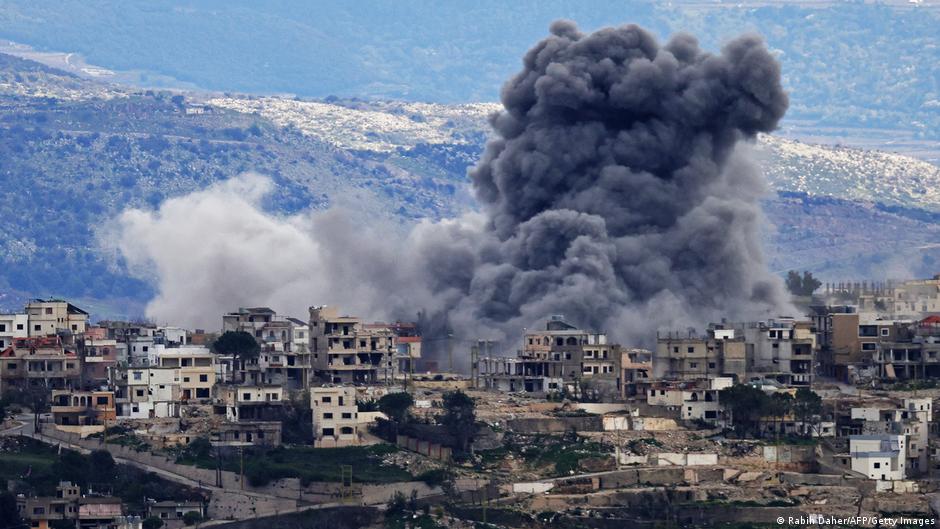
Beirut, Lebanon – Escalating tensions between Israel and Hezbollah have plunged the region deeper into crisis, with reports of intensified airstrikes and ground operations. The conflict, already strained by regional instability, has seen a significant uptick in violence over the past three days, resulting in a mounting civilian death toll in Lebanon. While precise figures remain contested and are rapidly evolving, reports indicate at least 72 people have been killed in Lebanon due to Israeli bombardments since Monday, according to sources including DW.com. The situation is further complicated by fears of a wider regional war, particularly given Iran’s vocal support for Hezbollah and recent threats following the reported killing of a top Iranian commander.
The recent surge in hostilities follows a period of heightened rhetoric and cross-border skirmishes. Hezbollah, the Iran-backed Shia militant group, initiated a barrage of rockets and drones targeting northern Israel on Monday, claiming the attacks were in retaliation for the killing of Islamic Republic’s supreme leader Ayatollah Ali Khamenei. Israel responded swiftly with extensive airstrikes targeting Hezbollah infrastructure and positions in southern Lebanon, including areas near Beirut. The Israeli military has also deployed troops further into southern Lebanon, establishing positions beyond previously held posts, as part of what they describe as an “enhanced forward defense posture.” This move, announced by Defense Minister Israel Katz, aims to prevent direct fire on Israeli communities and to “defend the border communities from there,” according to the Times of Israel.
Hezbollah’s Escalation and Israel’s Response
The BBC reports that Hezbollah’s rocket and drone attacks on the Israeli city of Haifa marked a significant escalation in the conflict. Lebanon’s disaster management unit has reported 52 deaths resulting from Israeli strikes as of Monday, highlighting the devastating impact on civilian populations. Israel’s response has been equally forceful, with airstrikes targeting a building housing Al-Manar, a Hezbollah-affiliated television channel, in Beirut’s southern suburbs. Footage from the Associated Press showed explosions and smoke plumes rising over the Lebanese capital, indicating the intensity of the strikes. The Israeli military has stated its intention to “act forcefully” against Hezbollah, with Defense Minister Katz declaring that Hezbollah leader Naim Qassem is now a “marked target for elimination.”
The situation on the ground is fluid and dangerous. The Times of Israel reports that Israeli soldiers are now positioned at several points near the border, aiming to secure the area and deter further attacks. The deployment comes after Hezbollah began launching rockets and drones in response to Israel’s killing of the Islamic Republic’s supreme leader. The increased military presence signals a clear intent by Israel to escalate its response and potentially engage in more direct confrontation with Hezbollah. The conflict is also prompting displacement, with reports of Syrian refugees fleeing Lebanon into Syria, seeking safety from the escalating violence, as documented by the Associated Press.
Regional Implications and Iran’s Role
The escalating conflict is raising concerns about a wider regional war. Iran, a key ally of Hezbollah, has condemned Israel’s actions and issued warnings about potential attacks on Israeli embassies worldwide. This threat adds another layer of complexity to the already volatile situation. The BBC notes that it had been widely expected that Hezbollah would join the conflict following the joint US-Israeli attack on Iran’s leadership and armed forces on Saturday, with Iran responding by launching missiles and drones towards Israel and Gulf Arab states. The potential for further escalation is significant, and diplomatic efforts to de-escalate the situation are urgently needed.
Lebanon’s Prime Minister, Nawaf Salam, has condemned Hezbollah’s actions as “irresponsible” and announced an immediate ban on the group’s military activities. However, the effectiveness of this ban remains uncertain, given Hezbollah’s significant influence within Lebanon. The conflict is also exacerbating existing political and economic challenges in Lebanon, which is already grappling with a severe economic crisis and political instability. The influx of refugees and the destruction of infrastructure are further straining the country’s resources.
Ground Operations and Civilian Impact
The Israeli military’s ground operations in southern Lebanon are raising concerns about the safety of civilians. The Times of Israel reports that the targets include Hezbollah operatives and members of the group’s elite Radwan Force, as well as command centers used to advance attacks on Israel. However, the proximity of these targets to civilian areas raises the risk of collateral damage and further civilian casualties. The ongoing airstrikes and ground operations are disrupting daily life for residents in southern Lebanon, with many forced to evacuate their homes. The humanitarian situation is deteriorating rapidly, and aid organizations are struggling to provide assistance to those affected by the conflict.
The scale of the destruction in Beirut is particularly concerning. The Associated Press reports that Israeli airstrikes have hit Dahiyeh, a southern suburb of Beirut, causing significant damage to buildings and infrastructure. Firefighters are working to extinguish fires and rescue people trapped in the rubble. The attacks on Beirut demonstrate Israel’s willingness to strike deep inside Lebanon, signaling a significant escalation in the conflict. The targeting of media facilities, such as the Al-Manar channel studios, also raises concerns about freedom of the press and the safety of journalists.
The Humanitarian Crisis in Southern Lebanon
The ongoing conflict is creating a severe humanitarian crisis in southern Lebanon. Thousands of people have been displaced from their homes, and access to essential services, such as healthcare and water, is limited. Aid organizations are struggling to reach those in need due to the ongoing violence and the destruction of infrastructure. The BBC reports that there have been no reported casualties in Israel from Hezbollah’s fire, but the impact on Lebanon is devastating. The international community is calling for a ceasefire and for all parties to respect international humanitarian law.
The situation is further complicated by the potential for miscalculation and escalation. The involvement of Iran and other regional actors raises the risk of a wider conflict that could destabilize the entire region. Diplomatic efforts to de-escalate the situation are urgently needed, but the prospects for a peaceful resolution remain uncertain. The immediate priority is to protect civilians and to provide humanitarian assistance to those affected by the conflict. The long-term solution requires addressing the underlying political and economic challenges that fuel the conflict.
Key Takeaways
- The conflict between Israel and Hezbollah has significantly escalated in recent days, with a mounting civilian death toll in Lebanon.
- Israel has deployed troops further into southern Lebanon and is conducting extensive airstrikes targeting Hezbollah infrastructure.
- Iran’s support for Hezbollah and its threats against Israel are raising concerns about a wider regional war.
- The humanitarian situation in southern Lebanon is deteriorating rapidly, with thousands of people displaced and limited access to essential services.
- Diplomatic efforts to de-escalate the situation are urgently needed, but the prospects for a peaceful resolution remain uncertain.
As of today, March 4, 2026, the situation remains highly volatile. The Israeli military is expected to continue its operations in southern Lebanon, and Hezbollah is likely to respond with further attacks. The international community is closely monitoring the situation and is urging all parties to exercise restraint. The next significant development is anticipated to be a United Nations Security Council meeting scheduled for March 6, 2026, to discuss the escalating conflict and potential resolutions. We encourage readers to share their thoughts and perspectives on this critical situation in the comments below.