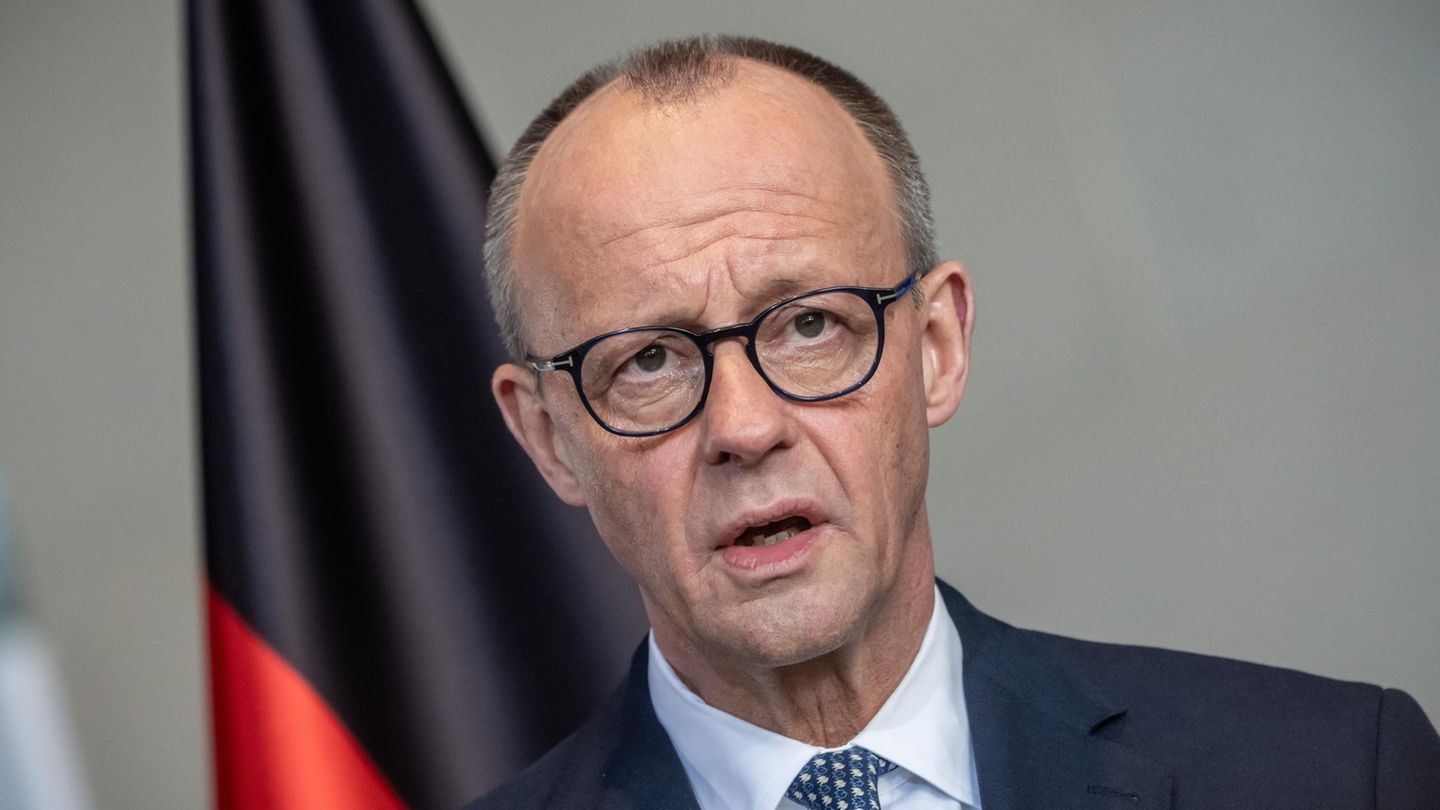
Berlin, Germany – German Chancellor Friedrich Merz has issued a stark warning to Israel, cautioning against a full-scale ground offensive into Lebanon. The warning comes amid escalating tensions following the killing of a top Iranian commander and subsequent retaliatory actions, raising fears of a wider regional conflict. Merz’s statement underscores growing international concern over the potential for devastating humanitarian consequences should Israel launch a large-scale military operation in Lebanon.
The Chancellor’s comments, delivered Monday in Berlin, reflect a deepening anxiety within Western capitals regarding the trajectory of the conflict. While acknowledging Israel’s right to defend itself, Merz emphasized that a ground offensive would exacerbate an already “highly tense humanitarian situation and the dramatic displacement of people.” He implored Israeli officials to reconsider the path, stating plainly that such a move would be “a mistake.” This strong diplomatic intervention highlights the delicate balance Western powers are attempting to strike – supporting a key ally while simultaneously seeking to de-escalate a volatile situation.
Escalating Tensions and Regional Implications
The current crisis stems from the recent killing of a senior Iranian commander, an event that triggered a series of retaliatory strikes and counter-strikes between Israel and Iran-backed groups. The militant group Hezbollah, operating from southern Lebanon, has been increasingly involved in the conflict, launching rockets into Israel, despite not being directly involved in the initial events. According to reports, Israel has already initiated a “targeted ground operation” against Hezbollah positions in southern Lebanon, signaling a potential escalation of military action. The situation is further complicated by the presence of the United Nations Interim Force in Lebanon (UNIFIL), whose mission is to maintain peace and security in the region.
Merz specifically condemned Hezbollah’s involvement, stating, “We strongly condemn the fact that Hezbollah, on the side of Iran, has now entered the fight against Israel.” He called for an immediate cessation of hostilities by the group, urging them to lay down their arms and support efforts towards dialogue between Israel and Lebanon. The Chancellor’s statement reflects a broader international effort to contain the conflict and prevent it from spiraling into a full-blown regional war. The potential for miscalculation and unintended consequences is particularly high, given the complex web of alliances and rivalries in the Middle East.
Western Concerns Over Humanitarian Impact
The growing chorus of warnings from Western governments centers on the anticipated humanitarian catastrophe that a large-scale Israeli ground offensive in Lebanon could trigger. Several nations, including the United States, the United Kingdom, France, Germany, and Italy, have jointly expressed their deep concern over the potential for “devastating humanitarian consequences.” These concerns are rooted in the dense civilian population in southern Lebanon and the potential for mass displacement should fighting intensify. Reports suggest Israel is considering taking control of the entire area south of the Litani River, a move that would inevitably lead to widespread disruption and suffering.
The potential for a large-scale humanitarian crisis is compounded by the already fragile economic and political situation in Lebanon. The country is grappling with a severe economic crisis, political instability, and the lingering effects of the 2020 Beirut port explosion. A modern influx of refugees and increased violence would further strain Lebanon’s already limited resources and exacerbate existing vulnerabilities. The international community is bracing for a potential surge in humanitarian needs, including food, water, shelter, and medical assistance.
Israel’s Objectives and Hezbollah’s Response
According to reports, Israel’s primary objective in any potential ground offensive is to neutralize the threat posed by Hezbollah and create a more secure environment for its northern communities. Hezbollah’s continued rocket attacks have disrupted daily life for Israelis living near the border and raised concerns about the group’s growing military capabilities. Some reports suggest Israel aims to “destroy the enemy,” indicating a more ambitious and potentially protracted military campaign. Spiegel reports that Israel intends to dismantle Hezbollah’s infrastructure and capabilities.
Hezbollah, for its part, has vowed to continue its attacks on Israel until the conflict ends. The group is heavily armed and enjoys significant support from Iran, making it a formidable adversary. Hezbollah’s leadership has repeatedly stated its commitment to defending Lebanon and resisting Israeli aggression. The group’s actions are further complicated by its deep entrenchment within the Lebanese population and its role as a powerful political force in the country.
International Diplomacy and De-escalation Efforts
Amidst the escalating tensions, international diplomatic efforts are underway to de-escalate the conflict and prevent a wider war. The United States, European Union, and United Nations are all actively engaged in mediation efforts, urging both sides to exercise restraint and return to the negotiating table. However, the prospects for a swift resolution remain uncertain, given the deep-seated animosity and mistrust between Israel and Hezbollah. The involvement of Iran adds another layer of complexity to the situation, as any attempt to resolve the conflict must address Iran’s role in supporting Hezbollah.
Chancellor Merz’s warning to Israel is part of a broader international effort to pressure all parties to de-escalate the situation and prioritize diplomatic solutions. Western governments are also calling on Israel to avoid targeting civilian infrastructure and to respect the role of UNIFIL in maintaining peace and security in southern Lebanon. The international community is acutely aware of the potential for a catastrophic humanitarian crisis and is working to mitigate the risks and prepare for a potential influx of refugees.
Key Takeaways
- German Chancellor Friedrich Merz has warned Israel against a ground offensive in Lebanon, calling it “a mistake.”
- Western governments are deeply concerned about the potential for a devastating humanitarian crisis if fighting escalates.
- Hezbollah’s involvement in the conflict, backed by Iran, is a major factor complicating the situation.
- International diplomatic efforts are underway to de-escalate tensions and prevent a wider regional war.
The situation remains highly fluid and unpredictable. Further developments are expected in the coming days as Israel weighs its options and assesses the risks and benefits of a potential ground offensive. The international community will continue to monitor the situation closely and work to prevent a further escalation of the conflict. The next key development to watch will be Israel’s response to the international warnings and its decision on whether to proceed with a large-scale military operation in Lebanon.
World Today Journal will continue to provide updates on this developing story as it unfolds. We encourage readers to share their thoughts and perspectives in the comments section below.
Worth a look