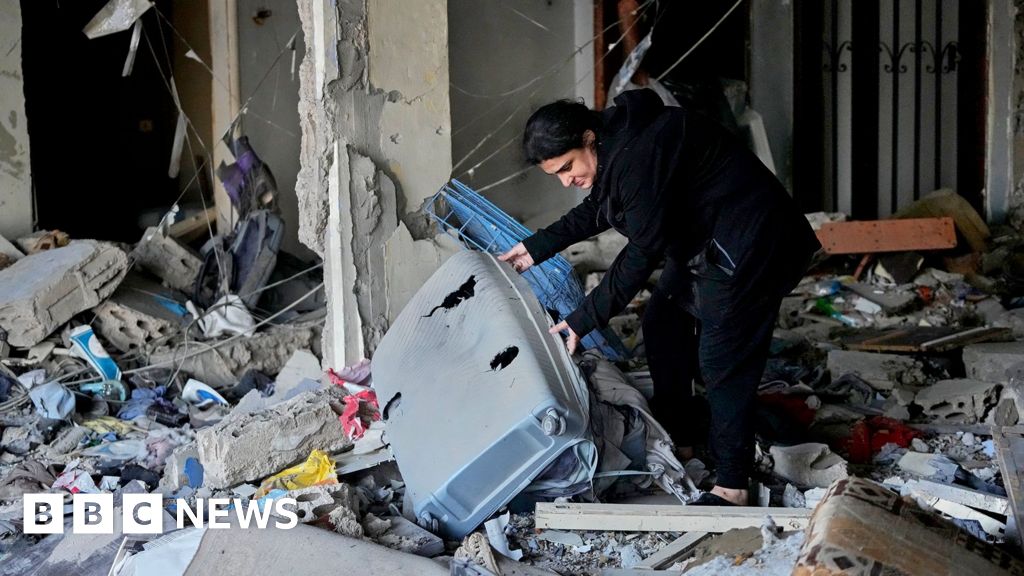
The security situation in the Middle East has reached a critical juncture this week, characterized by heightened military activity and significant displacement of civilians. Following a series of intensified strikes, the Israeli military has issued broad evacuation directives for residents in southern Lebanon, signaling a marked expansion of operations in the region. These developments come amid a backdrop of persistent cross-border fire and escalating regional tensions that have drawn international concern.
As the conflict enters this volatile phase, the humanitarian impact is becoming increasingly clear. The United Nations has consistently monitored the situation, noting that the ongoing hostilities between Israeli forces and Hezbollah have led to substantial internal displacement. The current escalation, involving both aerial strikes and ground-level tactical shifts, has prompted urgent calls for restraint from global diplomatic actors as the scale of the evacuation orders covers a significant portion of the Lebanese territory in the south.
Escalation Along the Northern Border
The recent military maneuvers follow months of intermittent exchanges of fire across the Blue Line—the demarcation line separating Israel and Lebanon. According to reports from the Reuters news agency, the Israeli military has intensified its campaign, targeting infrastructure associated with Hezbollah. These strikes are described by regional analysts as a strategic effort to degrade the operational capabilities of the group, which has maintained a persistent presence in the border areas since the start of the current regional hostilities.
The scale of the evacuation orders, which encompass various villages and urban centers in southern Lebanon, reflects the intensity of the current military strategy. For many residents, these directives have necessitated immediate departures, further straining the capacity of aid organizations and local government services to accommodate those fleeing conflict zones. The International Committee of the Red Cross has emphasized the necessity of protecting civilians and ensuring that humanitarian corridors remain accessible despite the active combat operations.
Geopolitical Context and Regional Impact
This surge in violence is not occurring in a vacuum. We see deeply intertwined with the broader conflict involving Gaza, which has influenced regional dynamics since October 2023. The involvement of various regional actors has sparked fears of a wider, multi-front war that could destabilize the entire Levant. Diplomats from the United States and European nations are currently engaged in high-level talks, attempting to mediate a de-escalation that would prevent further regional spillover.
The impact of these strikes extends beyond the immediate physical damage to property and infrastructure. The economic and social fabric of southern Lebanon, already fragile due to the country’s ongoing financial crisis, faces severe disruption. Schools, healthcare facilities, and local agricultural sectors are among the many entities facing long-term consequences as families abandon their homes. International monitoring bodies remain focused on the potential for a prolonged humanitarian crisis should the military operations continue at their current intensity.
Key Developments and Humanitarian Concerns
- Displacement: Thousands of civilians have been forced to relocate as evacuation orders are enforced across multiple districts in southern Lebanon.
- Military Objectives: Israeli officials have stated that the strikes aim to neutralize military assets and prevent further cross-border attacks into northern Israel.
- Diplomatic Efforts: Global powers are calling for a ceasefire to facilitate humanitarian aid access and prevent a broader regional confrontation.
- Regional Stability: The situation remains fluid, with ongoing monitoring by international observers to assess the risk of a full-scale conflict.
What Happens Next
The immediate outlook remains uncertain as military commanders continue to assess the progress of their operations. Official updates from the Israel Defense Forces regarding tactical changes or potential shifts in strategy are expected in the coming days. Simultaneously, the international community is preparing for potential emergency sessions at the United Nations Security Council to discuss the implications of the widening conflict.

For those residing in the affected regions, information regarding safe passage and temporary shelter is being disseminated through local channels and international humanitarian organizations. It is vital for civilians to follow directives from established international agencies and to remain vigilant as the security environment continues to evolve. We will continue to provide updates as verified information becomes available regarding the military situation and the diplomatic efforts to secure a resolution.
As this is a developing situation, we encourage our readers to monitor official statements from the United Nations Interim Force in Lebanon (UNIFIL) for the most accurate information on ground conditions. Please share your thoughts or questions in the comments section below, and stay tuned to World Today Journal for further reporting on this critical international issue.
Worth a look