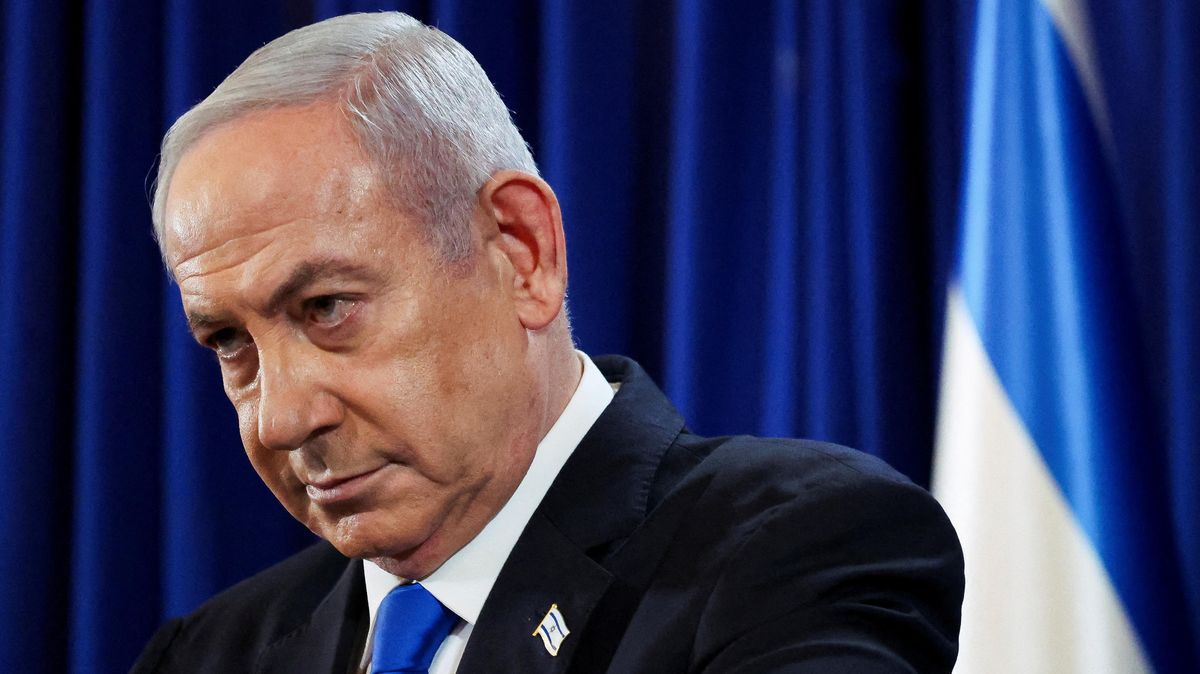
Israeli Prime Minister Benjamin Netanyahu ordered the military to launch strikes against Hezbollah targets in southern Lebanon on Saturday, according to multiple verified reports. The directive came after the Iran-backed militant group fired several rockets and drones into northern Israel, which Israel’s military said violated a fragile ceasefire agreement that had been in place since mid-April.
The Israeli Defense Forces (IDF) confirmed that Hezbollah launched two rockets toward northern Israel on Saturday morning, one of which was intercepted by Israel’s Iron Dome air defense system. In response, the IDF carried out strikes on Hezbollah rocket launchers and fighter positions in three separate locations overnight, according to Reuters. Lebanese health authorities reported that Israeli strikes killed four people in the village of Juhmar ash-Shakif in the Nabatieh governorate, hitting a cargo truck and a motorcycle. Lebanese state news agency ANI also reported Israeli artillery fire on several villages in southern Lebanon.
The current ceasefire between Israel and Lebanon, which had originally been set for ten days starting April 16, was extended by three weeks earlier this week through diplomatic efforts led by the United States. Despite the extension, both sides have accused each other of violations. Israel claims Hezbollah has conducted daily attacks justifying its actions as self-defense, while Lebanon and international observers warn that the renewed violence risks collapsing the truce entirely.
Hezbollah began launching rockets into Israel in early March, saying it was joining a broader regional conflict triggered by U.S.-Israeli strikes on Iran in late February. The Lebanese government condemned those attacks but has been unable to stop Hezbollah from operating independently along the southern border. Israel has repeatedly warned civilians not to return to dozens of villages south of the so-called “blue line,” which it established about ten kilometers inside Lebanese territory as a security buffer.
Israeli officials say the strikes are necessary to deter further aggression and enforce the terms of the ceasefire. Though, critics argue that the cycle of retaliation increases the risk of a wider regional war, particularly given Hezbollah’s close ties to Iran and its significant arsenal of rockets and precision-guided munitions. The United Nations Interim Force in Lebanon (UNIFIL) has called for maximum restraint from all parties and urged adherence to the cessation of hostilities.
As of Sunday, April 26, 2026, the situation remains tense, with both sides maintaining military readiness along the border. No formal announcement has been made regarding the status of the ceasefire, but diplomatic channels remain active through U.S. And French intermediaries. The next key development to watch is whether the truce will hold beyond its current extension or if further escalation will prompt a larger confrontation.
For ongoing updates, readers can follow official statements from the Israel Defense Forces, the Lebanese Ministry of Health, and UNIFIL’s daily reports on the situation in southern Lebanon.
Share your thoughts on this developing situation in the comments below, and support spread awareness by sharing this article with others interested in global affairs.
Keep reading
- Inside Herat, Where a Taliban Campaign Targets a Cosmopolitan Outpost
- Minnesota United FC – FC Dallas : infos, date et résultat du match – Foresportia
- Temple of Israel: Reform Synagogue in Wilmington, NC (news-usa.today)
- U.S. Confirms Israel Sent Iron Dome to UAE for Iranian Missile Defense (archyworldys.com)