
Teh Human Cost of Conflict: Witnessing Gaza’s Crisis Through the eyes of a Photojournalist
The ongoing conflict in Gaza has become a relentless stream of statistics and geopolitical analysis. But behind the numbers lie individual stories of unimaginable suffering. A recent episode of PalCast featuring Palestinian photojournalist Ahmed dremly offers a harrowing, firsthand account of life under assault, moving beyond headlines to reveal the brutal realities faced by civilians. Dremly’s testimony, particularly his poignant statement “Israel killed my mother twice,” underscores the devastating humanitarian crisis in Gaza and the urgent need for deeper understanding. This article delves into the details shared by Dremly, exploring the weaponization of starvation, the targeting of civilians, and the cultural erasure occurring within Gaza, while providing context and resources for those seeking to learn more.
The “Hunger Games” of Gaza: A Deliberate Strategy?
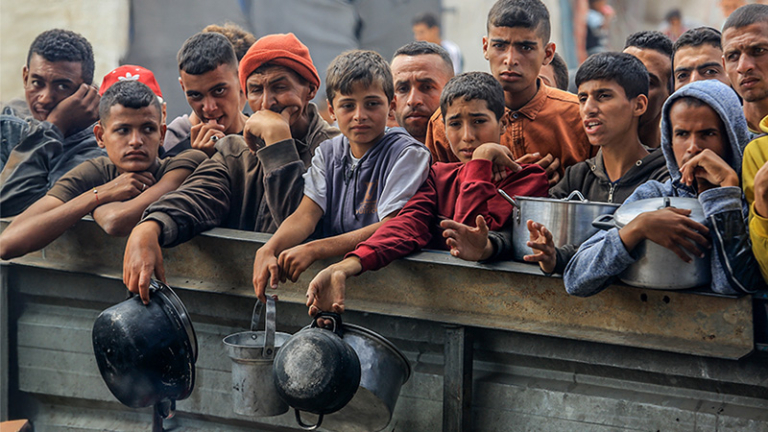
Dremly paints a grim picture of northern Gaza, describing a situation akin to a “hunger game” where survival is a daily struggle. He details how areas designated as “humanitarian zones” – ostensibly safe spaces for civilians – have become tragically dangerous, with reports of Israeli forces targeting individuals queuing for desperately needed food aid.This raises serious concerns about the deliberate obstruction of aid delivery to Gaza and the potential for war crimes.
Recent reports from organizations like the World Food Program (WFP) corroborate this dire situation. In February 2024, the WFP reported that 90% of the population in Gaza is experiencing high levels of acute food insecurity, with many facing starvation. https://www.wfp.org/emergencies/gaza-conflict This isn’t simply a byproduct of conflict; Dremly’s account, and mounting evidence, suggests starvation is being used as a weapon of war.understanding the complexities of food insecurity in conflict zones is crucial to grasping the full scope of the tragedy unfolding in Gaza.
He recounts the heartbreaking story of an elderly man who expressed a preference for death by airstrike over a slow, agonizing death from hunger. These aren’t isolated incidents, but rather representative of the daily horrors endured by gazans stripped of basic necessities, dignity, and safety.The psychological impact of such conditions is immense, leading to widespread trauma and despair.
The Personal Toll: A Mother Lost Twice
Dremly’s personal story adds a deeply emotional layer to the broader narrative. His mother, battling cancer, suffered a rapid decline in health due to the lack of nutrition and medical care within Gaza. While she was eventually evacuated to Egypt for treatment, she tragically passed away shortly after, and Dremly was unable to be with her in her final moments. His words, “Israel killed her twice”-first by depriving her of sustenance, and then by preventing him from saying goodbye-are a powerful indictment of the conflict’s devastating consequences. This highlights the often-overlooked impact of conflict on access to healthcare in Gaza and the profound grief experienced by families.
Dremly also spoke about the deliberate targeting of Palestinian cultural landmarks, such as the bombing of El Baga Café, a historic gathering place. This isn’t merely about destroying buildings; it’s about erasing Palestinian identity and history – a form of cultural genocide. He urges listeners to understand the ancient roots of the conflict, tracing it back to the Nakba of 1948, the mass displacement of Palestinians.
Beyond the Headlines: Seeking Truth and Accountability
Dremly also criticizes the international media for failing to accurately portray the situation in Gaza, calling for a shift in focus towards understanding the underlying causes of the conflict. this raises critically important questions about media coverage of the Israeli-Palestinian conflict and the potential for bias. Reliable sources of information, such as Al Jazeera, The Guardian, and Human Rights Watch, are essential for forming a complete understanding. https://www.hrw.org/middle-east/israel-palestine
Actionable Steps You Can Take:
Educate Yourself: go beyond mainstream media and seek out diverse perspectives.
Support Humanitarian Organizations: Donate to reputable organizations providing aid to gaza.
Advocate for Policy Change: Contact your elected officials and demand accountability.
Share Information: Raise awareness about the situation on social media and within your community.
Conclusion:
Ahmed Dremly‘s testimony is


