
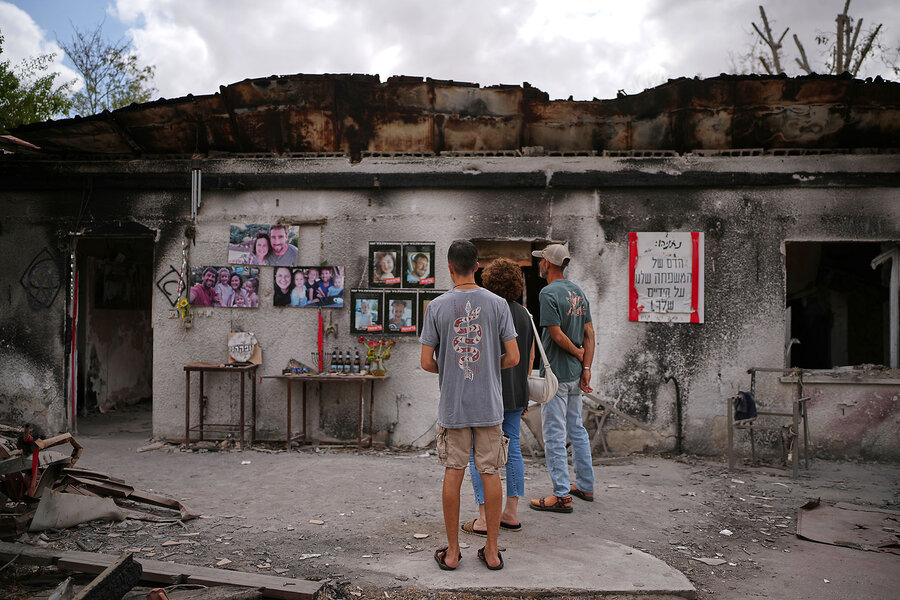
the Weight of Endurance: A Nation Grapples with Fatigue and Division
The past two years have been a period of profound strain for Israelis, marked by ongoing conflict and a growing sense of exhaustion. Recent surveys paint a stark picture of a nation grappling with financial hardship, emotional fatigue, and deepening internal divisions. It’s a reality that extends beyond headlines, impacting the daily lives of citizens across all sectors.
the Financial Toll of Conflict
A critically important 45% of Israelis, particularly those serving as army reservists, report experiencing financial harm as a direct result of the ongoing war. This figure dramatically rises to 84% among Israeli Arab citizens, highlighting the disproportionate economic impact on already vulnerable communities. Hundreds of days lost to service in Gaza and along the northern border with Lebanon have created a significant economic burden for many families.
A Climate of Exhaustion
Beyond the financial strain, a pervasive sense of “fatigue” is emerging as the defining emotional characteristic of the current climate. This isn’t simply tiredness; it’s a deep-seated weariness stemming from constant alert, repeated disruption, and the uncertainty of the future. You can feel it in the air, a collective sigh weighing down daily life.
Internal Divisions: A greater Threat?
Perhaps most concerning is the finding that 61% of Israelis now perceive social and political polarization and violence as a greater threat than external enemies. This suggests a profound shift in national priorities, indicating that the internal fractures within Israeli society are seen as equally, if not more, dangerous than external conflicts.
The routine of Uncertainty
Consider the experience of a recent 1 a.m. siren. Like countless others over the past two years, families instinctively sought shelter, descending into bomb shelters that, in calmer times, serve as storage spaces for bicycles and strollers. These moments have become tragically routine.
Missiles and drones launched by Houthis, proxies of Iran based in Yemen, have become a frequent disruption. While the Iran war in June brought a heightened level of fear, the constant threat has normalized a state of anxiety.
A Child’s Weariness
watching a 4-year-old neighbor, Uri, calmly walk back upstairs after the all-clear, offered a poignant illustration of this new normal. He refused assistance, marching with a quiet determination that belied his age. For half of his life,this has been his experience – going through the motions of seeking shelter,exhausted before he even fully understands the danger.
Finding Shelter in Tradition
As Monday evening ushers in the Sukkot holiday, a time for remembering the exodus from Egypt and building temporary shelters called sukkahs, the symbolism feels particularly resonant this year. These flimsy structures represent a longing for safety and security. The hope for Israelis this year is simple: that everyone finds their way home to that sense of shelter and peace.
this period demands resilience, understanding, and a renewed commitment to bridging the divides that threaten to consume the nation. It’s a time to remember the importance of community, empathy, and the enduring hope for a more peaceful future.


