Live Updates: Israel-Lebanon Escalation as Evacuation Orders and Strikes Intensify
Israel’s military has ordered the evacuation of seven villages in southern Lebanon ahead of planned airstrikes, escalating tensions in a region already on the brink of wider conflict. The moves come as Israeli Prime Minister Benjamin Netanyahu continues his hardline stance against Hezbollah, while Lebanese officials warn of a “scorched earth” policy threatening regional stability. Despite a fragile ceasefire that has repeatedly collapsed, both sides remain locked in near-daily clashes along the border.
In a dramatic escalation, Israeli forces called on residents of villages including Kfar Tibnit and Arnoun to leave before strikes—despite the April 17 ceasefire agreement that has never been fully respected. The Lebanese government condemned the actions as “collective punishment,” while Israeli officials insist the strikes are necessary to counter Hezbollah’s rocket fire. The situation underscores the fragile balance in a conflict that has drawn in Iran and threatens to pull in other regional powers.
This article provides verified updates on the latest developments, the humanitarian impact, and what happens next in one of the most volatile flashpoints in the Middle East.
Israel Orders Evacuations as Strikes Resume in Southern Lebanon
Israeli forces issued evacuation orders Saturday for seven villages in southern Lebanon, including Kfar Tibnit and Arnoun, before carrying out airstrikes in the area. The moves came despite a ceasefire agreement reached in April that has been repeatedly violated by both sides. Lebanese Prime Minister Nawaf Salam condemned the strikes as a “policy of scorched earth,” stating in a televised address that such tactics would “bring neither security nor stability” to the region.
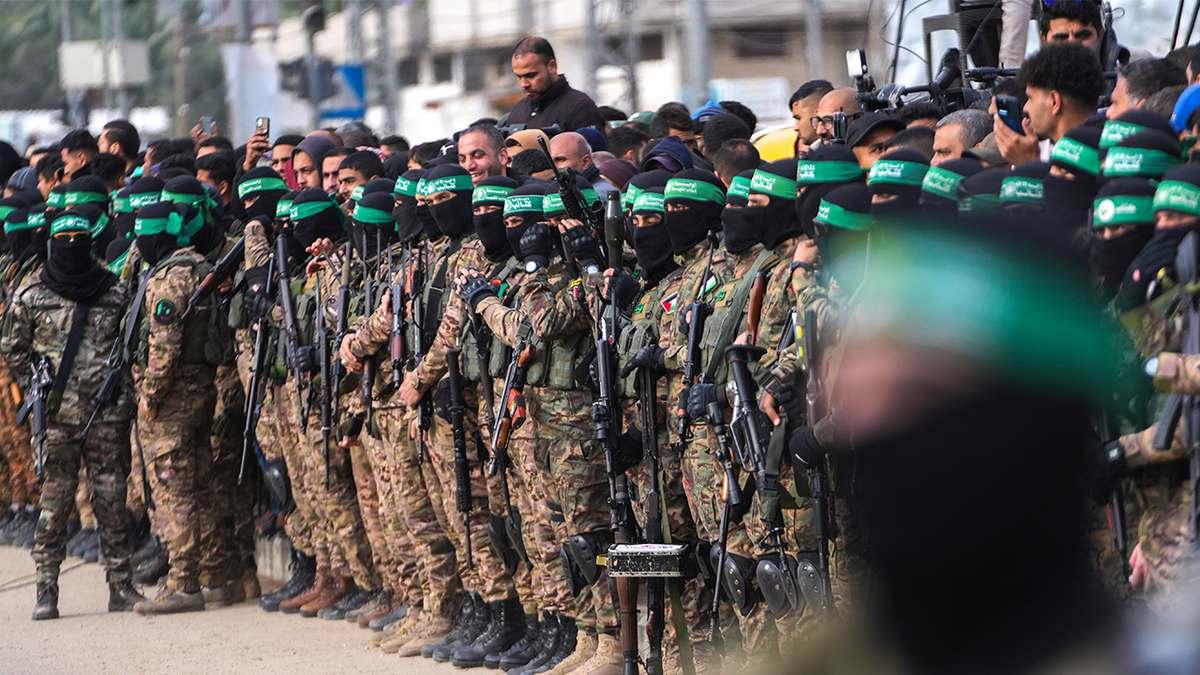
According to the Lebanese National News Agency (ANI), the Israeli military targeted multiple villages in the Marjayoun area, forcing hundreds of residents to flee. The strikes followed a day of heightened tensions, with Israeli officials reporting that more than 25 projectiles—including rockets and drones—were launched from Lebanon into northern Israel. An Israeli military spokesperson confirmed the strikes were in response to “ongoing Hezbollah aggression,” though no immediate casualties were reported.
The evacuation orders and strikes mark the latest escalation in a conflict that has seen near-daily exchanges between Israel and Hezbollah since October 2023. While a ceasefire was declared on April 17, both sides have accused the other of violating its terms, with Israel expanding its military operations in Gaza and Hezbollah continuing cross-border attacks.
Ceasefire Collapses as Both Sides Accuse Violations
The April 17 ceasefire, brokered through indirect negotiations in Washington, was intended to de-escalate tensions along the Israel-Lebanon border. However, the agreement has been repeatedly undermined by military actions. Hamas, which governs Gaza, accused Israel in late May of unilaterally shifting control lines, effectively seizing additional territory beyond the agreed “yellow line.” According to Hamas officials, this move “constitutes a serious violation of the ceasefire” and an attempt to alter the ground reality by force.

Israeli Prime Minister Benjamin Netanyahu has publicly stated his intention to expand military control in Gaza, directing the Israel Defense Forces (IDF) to take over 70% of the territory—a significant increase from the current 60%. In a May 28 interview, Netanyahu said, “We are now in 60% of the territory of the Gaza Strip. My directive is to move to 70%.” The seizure of additional territory would force approximately 2 million Palestinians into an even smaller fraction of Gaza, raising severe humanitarian concerns.
“We are now in 60% of the territory of the Gaza Strip. My directive is to move to 70%.”
Netanyahu’s remarks came as the IDF published maps showing control over approximately 64% of Gaza, up from the 53% demarcated by the October 2025 ceasefire agreement. The expansion of Israeli military operations in Gaza has been met with international condemnation, including from the United Nations, which has warned of a deepening humanitarian crisis in the enclave.
Lebanon’s Fragile Stability at Risk
The latest strikes in southern Lebanon have raised fears of a broader regional conflict. Lebanon’s government, already struggling with economic collapse and political instability, has warned that Israeli actions could destabilize the country further. Prime Minister Salam emphasized that while Lebanon remains committed to negotiations with Israel, the current military actions threaten to derail diplomatic efforts.
“The policy of scorched earth and collective punishment will not bring security or stability,” Salam said. “The least costly path for Beirut remains negotiations, but these must be based on respect for international law and ceasefire agreements.”
The Lebanese military reported that an Israeli drone strike near Nabatiyeh injured two soldiers, further escalating tensions. The incident occurred as indirect talks between Israeli and Lebanese officials continued in Washington, though no breakthrough was announced. Analysts warn that the lack of a clear diplomatic solution increases the risk of accidental escalation, particularly given the presence of Iranian-backed militias in the region.
Iran’s Role and Regional Risks
While Iran has not directly intervened in the Israel-Lebanon conflict, its support for Hezbollah and other proxy groups has heightened regional tensions. Iranian officials have repeatedly called for a ceasefire in Lebanon as part of broader efforts to manage the conflict with the United States. However, with no direct channel of communication between Israel and Hezbollah, the risk of miscalculation remains high.
In recent weeks, Iran has increased its military presence in Syria, raising concerns that it may seek to directly involve itself in the conflict. Israeli officials have warned that any Iranian intervention could lead to a wider regional war, drawing in other Gulf states and potentially the United States. Meanwhile, Hezbollah’s continued rocket attacks—despite the ceasefire—have frustrated diplomatic efforts to find a lasting solution.
Humanitarian Crisis Deepens
The repeated strikes and evacuations in southern Lebanon have displaced thousands of civilians, adding to the region’s already severe humanitarian crisis. The United Nations has warned that the combination of economic collapse, political instability, and military conflict is pushing Lebanon to the brink of state failure. In Gaza, the expansion of Israeli control has further restricted access for aid workers, worsening food and medical shortages.
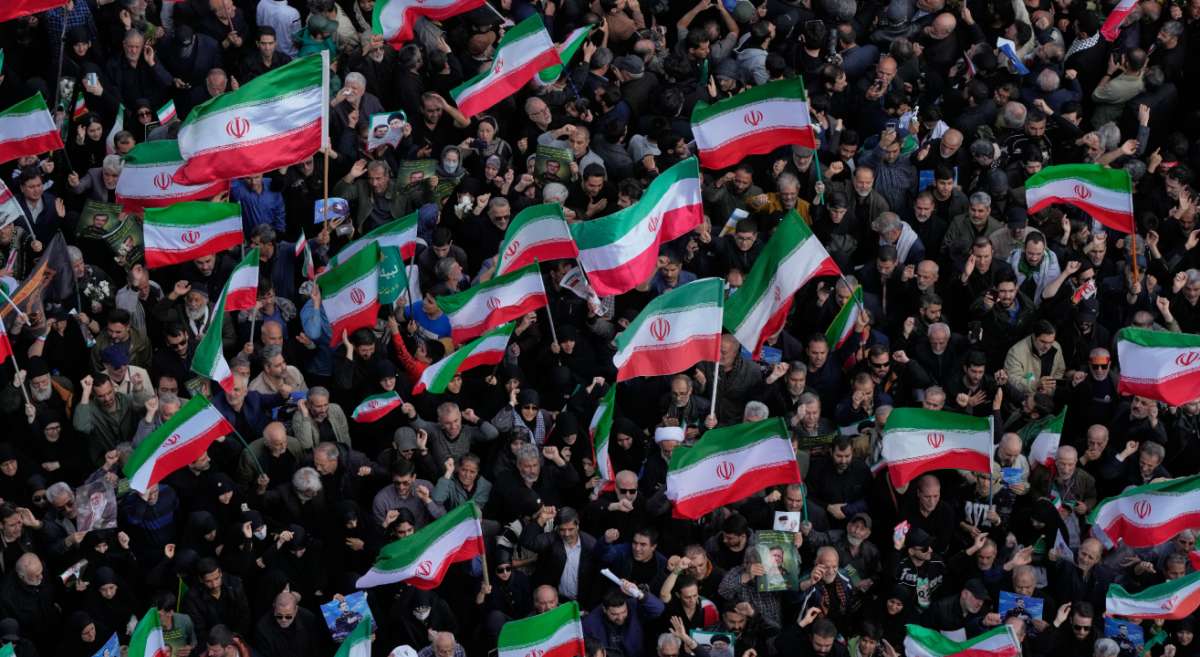
International aid organizations have condemned the evacuation orders as disproportionate and warned that they could exacerbate the suffering of civilians already displaced by the conflict. The World Health Organization (WHO) has expressed particular concern over the impact on healthcare facilities in southern Lebanon, many of which are already operating at capacity.
Key Takeaways
- Evacuation Orders: Israel ordered evacuations for seven villages in southern Lebanon ahead of airstrikes, despite a fragile ceasefire.
- Ceasefire Violations: Both Israel and Hezbollah have accused each other of violating the April 17 ceasefire agreement.
- Gaza Expansion: Israel aims to control 70% of Gaza, up from the current 60%, raising humanitarian concerns.
- Lebanese Response: Prime Minister Nawaf Salam condemned the strikes as “collective punishment” and called for respect for ceasefire terms.
- Regional Risks: Iran’s involvement and the presence of proxy groups increase the risk of wider conflict.
- Humanitarian Impact: Displacement and strikes in Lebanon and Gaza are worsening an already severe crisis.
What Happens Next?
The next critical checkpoint will be the outcome of the ongoing indirect negotiations between Israel and Lebanon, which are being facilitated by international mediators in Washington. Lebanese officials have indicated that they will continue diplomatic efforts, but the recent military actions have cast doubt on the ceasefire’s viability.
In Gaza, the IDF’s push to expand control will likely face resistance from Hamas, raising the risk of further clashes. Meanwhile, the humanitarian situation in both Gaza and southern Lebanon remains dire, with aid organizations warning of a growing crisis. The international community, including the United States and European Union, is closely monitoring the situation and may intervene diplomatically to prevent further escalation.
For the latest updates, follow official statements from:
This situation remains fluid. For real-time updates, subscribe to our alerts or follow @WorldTodayJrnl on X/Twitter. Share your thoughts in the comments below—how do you think this conflict will evolve?
Worth a look