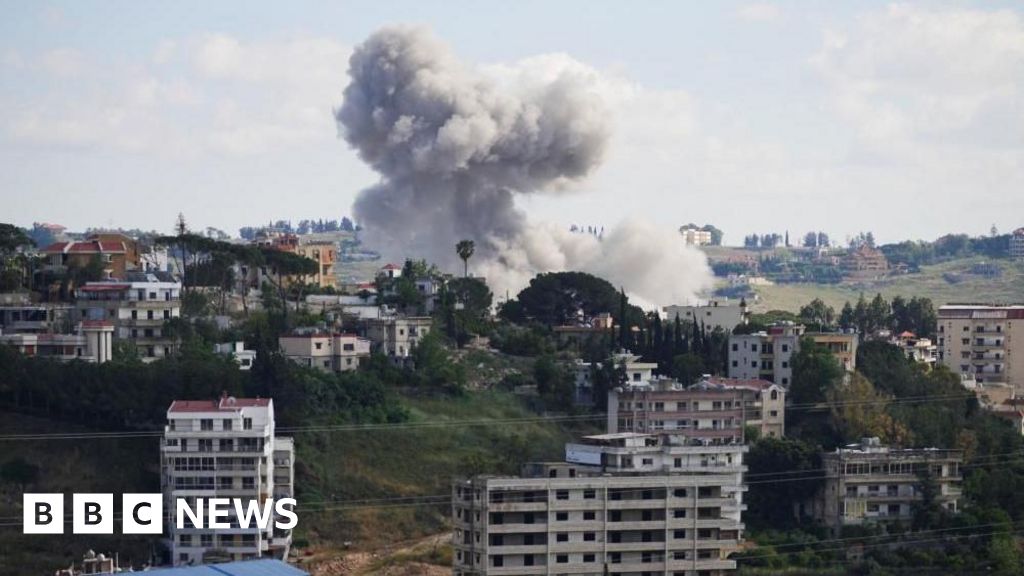
The security situation in the Middle East remains volatile as Israeli leadership signals a shift in military strategy. Prime Minister Benjamin Netanyahu has announced that Israel will intensify strikes against Hezbollah, a move that follows sustained regional tensions and recent military engagements in eastern Lebanon. The escalation reflects an ongoing effort by the Israeli government to address security threats along its northern border, where exchanges of fire have occurred with increased frequency over the past year.
As of May 25, 2026, the Israeli government continues to navigate a complex multi-front security environment. While the Prime Minister’s office has emphasized the necessity of these operations to ensure the safety of citizens, the intensification of strikes in Lebanon marks a significant development in the broader regional conflict. This situation remains fluid, with international observers closely monitoring the potential for further escalation in the Levant.
For those tracking the situation, verified updates regarding government policy and military actions are available through official channels, including the official website of the Prime Minister of Israel. Understanding the scope of these operations requires acknowledging the long-standing security challenges that have defined the relationship between Israel and Hezbollah, a non-state actor with significant military capabilities operating primarily out of Lebanon.
Strategic Shifts in Northern Security
The announcement regarding intensified strikes comes against the backdrop of a prolonged period of instability. Since the onset of the conflict in October 2023, the northern border of Israel has been a focal point of military activity. The Israeli military, known as the Israel Defense Forces (IDF), has conducted numerous operations aimed at degrading the capabilities of hostile entities operating in the region. According to documentation from the Israel Defense Forces, these missions are described as defensive measures intended to neutralize threats to local communities.
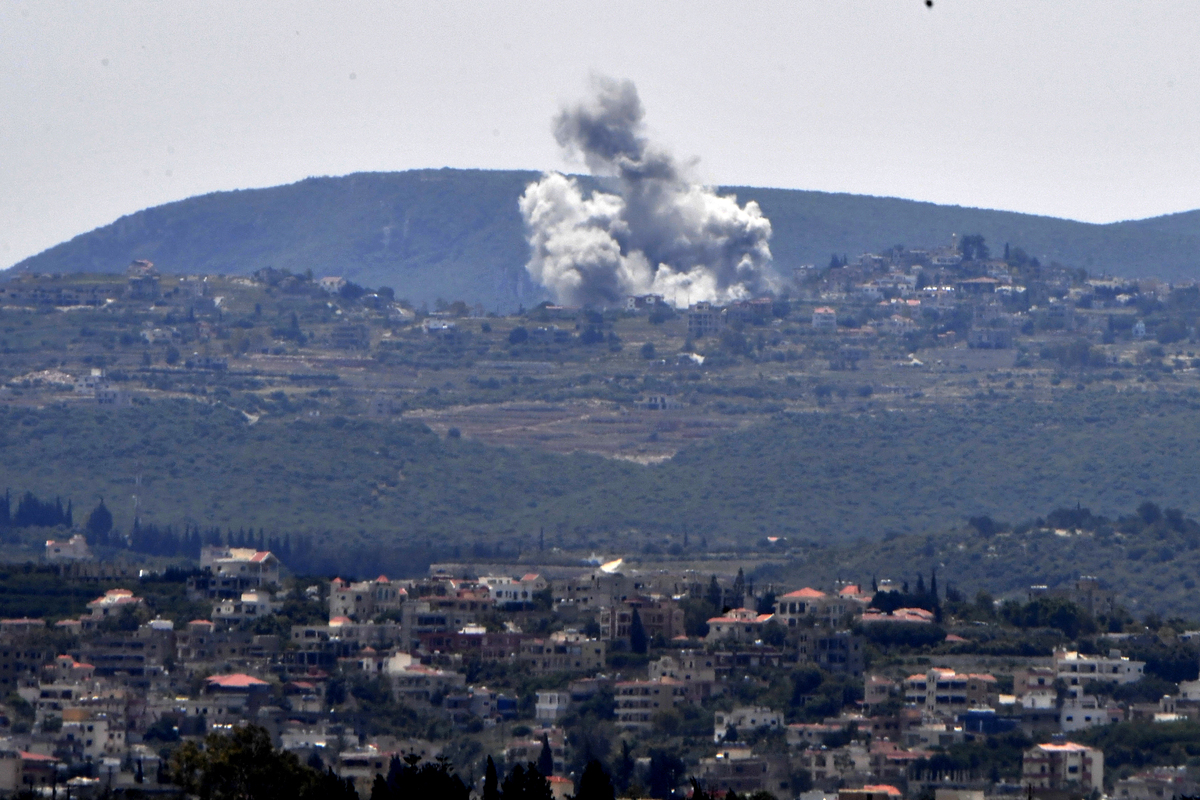
The decision to intensify these efforts suggests a transition from reactive engagement to a more proactive stance. Analysts note that such shifts are often driven by intelligence assessments indicating an accumulation of weaponry or personnel in specific geographic areas. In eastern Lebanon, which has historically served as a strategic corridor, the presence of military infrastructure has necessitated consistent surveillance and targeted intervention by Israeli forces.
Regional Implications and Humanitarian Impact
The impact of intensified military strikes extends beyond the immediate targets. For the civilian populations in both northern Israel and southern/eastern Lebanon, the ongoing hostilities have created significant uncertainty. Displaced individuals and the disruption of local infrastructure remain critical concerns for international humanitarian organizations operating in the area. The United Nations has frequently called for restraint from all parties involved, citing the risks to non-combatants and the imperative of maintaining regional stability.
Geopolitically, the situation is further complicated by the involvement of various state and non-state actors. The regional alignment of forces means that any escalation in Lebanon is perceived through the lens of a wider conflict, often drawing in diplomatic interests from global powers. Maintaining a balanced perspective is essential, as the narrative from the Israeli government, which focuses on national security and the right to self-defense, is often contrasted by the perspectives of regional neighbors and international human rights bodies.
Key Factors Influencing Current Tensions
- Border Security: The ongoing mandate to secure northern Israeli communities against rocket fire and ground incursions.
- Military Capability: The strategic assessment of Hezbollah’s arsenal and its capacity to project force across the border.
- Diplomatic Pressure: The role of international mediation in preventing a wider, uncontrolled regional war.
- Intelligence Operations: The reliance on real-time data to identify and neutralize threats before they materialize.
The Path Forward
As the situation develops, the focus remains on whether these intensified strikes will lead to a change in the status quo or further entrench the current cycle of violence. The Israeli government has consistently maintained that its primary objective is the return of displaced citizens to their homes in northern Israel, a goal that it argues can only be achieved through the establishment of a secure buffer zone and the cessation of attacks from across the border.
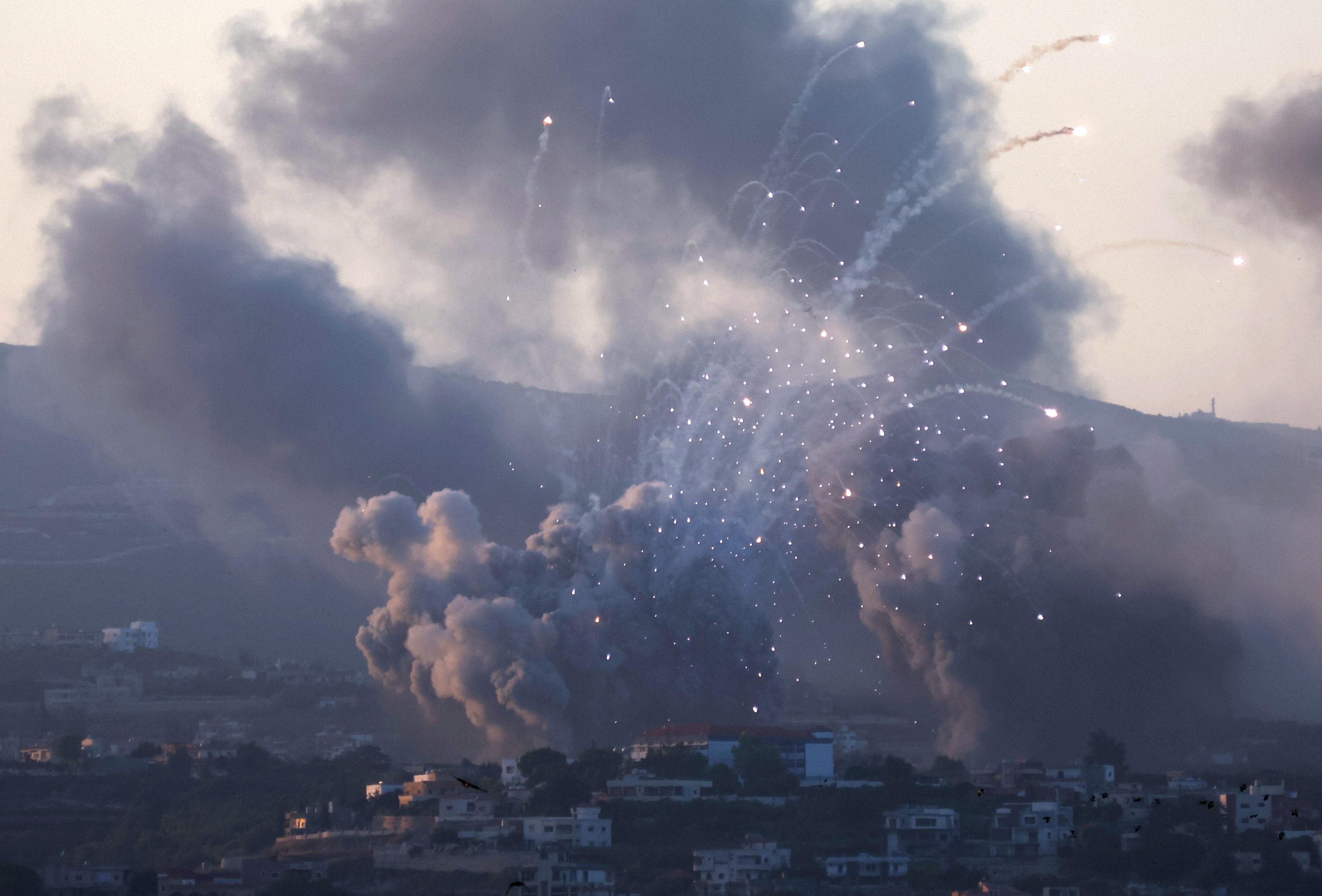
The next major checkpoint for observers will be the upcoming cabinet security briefings, where further details regarding the scope and duration of these intensified operations are expected to be discussed. As with any complex geopolitical event, the situation is subject to rapid change based on tactical developments on the ground and shifting diplomatic alignments.
We will continue to monitor official statements and verified reports as they become available. For ongoing coverage of this developing story, please stay tuned to our World section. We encourage our readers to share their thoughts and engage in the conversation in the comments section below, keeping in mind the importance of respectful and informed discourse.