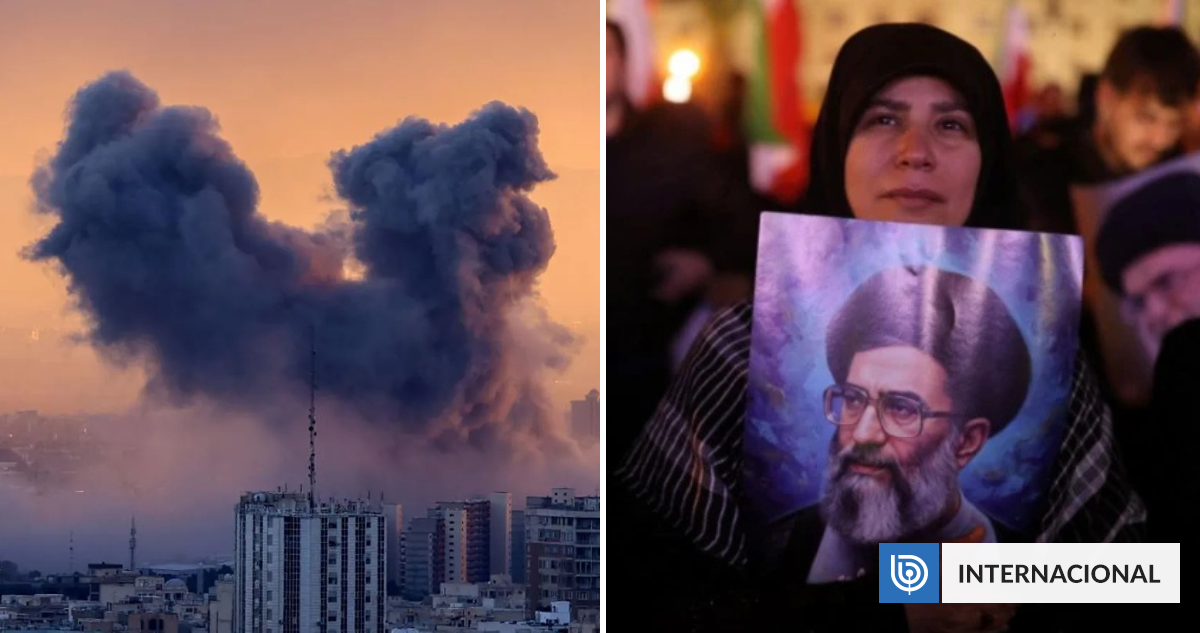
Israel Strikes Iranian Assembly of Experts Building Amid Succession Uncertainty
Qom, Iran – In a significant escalation of regional tensions, the Israeli military struck the building housing the Assembly of Experts in the Iranian city of Qom on Monday, March 3, 2026. This action comes just days after the death of Ayatollah Ali Khamenei, Iran’s Supreme Leader, and as the Assembly prepares to select his successor. Although no casualties were immediately reported, the strike raises concerns about further destabilization in the Middle East and the future direction of Iran’s political landscape.
The Assembly of Experts, comprised of 88 clerics, holds the crucial responsibility of choosing the next Supreme Leader, a position of immense power within the Islamic Republic. The timing of the attack, coinciding with the sensitive period of succession, suggests a deliberate attempt to disrupt the process. According to a source within the Israeli military, as reported by EFE, no clerics were present in the building at the time of the strike. However, the attack underscores the heightened state of alert and the potential for further military action.
The strike was confirmed by multiple sources, including reports from the Iranian news agency Tasnim, which is affiliated with the Islamic Revolutionary Guard Corps. Tasnim reported that the building was hit by missiles, following a previous strike on a separate Assembly of Experts location in Tehran the night before, allegedly carried out by both the United States and Israel. This coordinated action signals a unified front against Iran, though the precise objectives remain unclear. The death of Ayatollah Khamenei, who had held the position for 36 years, has created a power vacuum and a period of uncertainty for the country.
The Role of the Assembly of Experts and the Supreme Leader
The Supreme Leader of Iran is the highest political and religious authority in the country, wielding significant influence over domestic and foreign policy. The position grants the power to define the general policies of the Islamic Republic and to appoint key officials, including the commander of the Armed Forces, the head of the Judiciary, the chief of public television, and the commander-in-chief of the powerful Revolutionary Guards, as outlined in the Iranian Constitution. Britannica provides a detailed overview of the role of the Supreme Leader.
the Supreme Leader directly appoints half of the members of the Guardian Council, a body responsible for vetting candidates for elections and ensuring legislation aligns with Islamic law. This council, in turn, approves the selection of the President. Article 111 of the Iranian Constitution stipulates that the Assembly of Experts is responsible for appointing the new Supreme Leader “as soon as possible” after a vacancy occurs. The Assembly was last elected in March 2024.
Currently, a leadership council has been formed to oversee the transition, consisting of Iranian President Masud Pezeshkian, the head of the Iranian Judiciary, Golamhosein Mohseni Eyei, and a jurist from the Guardian Council, Ayatollah Alireza Arafi. This council will play a critical role in managing the selection process and ensuring a smooth transfer of power.
Succession Challenges and Potential Candidates
The death of Ayatollah Khamenei leaves Iran facing a complex succession process. While several names have been floated as potential successors, there is currently no clear frontrunner. This lack of a consensus candidate adds to the uncertainty surrounding the future of the Islamic Republic. The selection process is expected to be highly sensitive and politically charged, with various factions vying for influence.
The Assembly of Experts’ deliberations are typically conducted in private, and the process can be lengthy and contentious. The absence of a clear favorite could lead to prolonged negotiations and potential divisions within the clerical establishment. The outcome of the selection will have far-reaching implications for Iran’s domestic policies, its regional relationships, and its stance on international issues.
The recent strikes by Israel, and the United States, are widely seen as an attempt to influence the succession process, potentially by eliminating or intimidating candidates favored by hardline elements within the Iranian regime. However, the long-term impact of these actions remains to be seen. The Iranian government has condemned the attacks as a violation of its sovereignty and a destabilizing force in the region.
International Reactions and Regional Implications
The Israeli strike has drawn condemnation from various international actors, while similarly garnering support from allies. The United States has maintained a cautious stance, acknowledging Israel’s right to defend itself while urging restraint and de-escalation. The international community is closely monitoring the situation, fearing a further escalation of the conflict.
The broader implications of the succession process extend beyond Iran’s borders. Iran plays a significant role in regional conflicts, including those in Syria, Yemen, and Lebanon. A change in leadership could alter Iran’s foreign policy and its support for proxy groups, potentially leading to shifts in the regional balance of power. The ongoing conflict between Israel and Iran is further complicated by the involvement of other regional actors, including Saudi Arabia and Hezbollah.
The attack on the Assembly of Experts building represents a dangerous escalation in the ongoing tensions between Israel and Iran. The situation remains fluid and unpredictable, with the potential for further military action and a wider regional conflict. The international community is urging all parties to exercise restraint and engage in dialogue to prevent a further deterioration of the situation.
🔴ÚLTIMA HORA | Israel bombardea la reunión de clérigos que elegían al nuevo líder supremo de Irán https://t.co/GP3cO83Zit
➡La Asamblea de Expertos, el máximo órgano del clero chií, está compuesta por 88 miembros
— 20minutos.es (@20m) March 3, 2026
What Happens Next?
The Assembly of Experts is expected to convene in the coming days to formally begin the process of selecting a new Supreme Leader. The deliberations are likely to be intense and protracted, with various factions within the clerical establishment vying for influence. The outcome of the selection will be closely watched by the international community, as it will shape the future direction of Iran’s domestic and foreign policies.
In the immediate aftermath of the strike, Iranian officials have vowed to retaliate. The extent and nature of any potential response remain unclear, but it could range from cyberattacks to further military action. The situation is highly volatile, and the risk of escalation remains significant. The United States and Israel are reportedly on high alert, preparing for potential Iranian retaliation. Reuters reports on Iran’s vow to retaliate.
The next key development will be the official announcement of the date for the Assembly of Experts’ meeting to select the new Supreme Leader. This announcement will provide a clearer timeline for the succession process and offer insights into the potential candidates being considered. The international community will continue to monitor the situation closely, urging all parties to exercise restraint and prioritize dialogue.
The situation in Iran remains deeply concerning, with the potential for further escalation and regional instability. World Today Journal will continue to provide updates as the situation unfolds. We encourage readers to share their thoughts and perspectives in the comments section below.
Keep reading