
As of Monday, June 8, 2026, Israel and Iran have signaled a readiness to de-escalate military tensions following a weekend of direct strikes that briefly shattered a two-month-old ceasefire. The latest developments follow an Iranian wave of missile strikes against Israel on Sunday—the first such direct engagement since the ceasefire took effect in April—which Tehran described as a “warning” against continued Israeli military actions in Lebanon.
The recent escalation, which has intensified concerns regarding global economic stability, follows Israeli strikes on Beirut that occurred despite international requests for restraint. While the immediate exchange of fire has prompted high-level diplomatic efforts, the broader conflict remains volatile, with both nations navigating the limits of a fragile regional truce.
The Sunday Exchange and Military Escalation
On Sunday, June 7, 2026, the Israeli military confirmed that it identified and intercepted a wave of missiles launched from Iranian territory. This operation marked a significant departure from the previous two months of relative calm established under a ceasefire agreement negotiated in April. According to Iranian officials, the strikes were launched in direct retaliation for Israeli military actions targeting Lebanon’s capital, Beirut.
The bombardment of Beirut occurred earlier on Sunday, with Israeli forces citing strikes by the Iran-backed group Hezbollah in northern Israel as the justification for their offensive. Despite earlier U.S.-hosted talks that had resulted in an agreement between the Israeli and Lebanese governments, the Iran-backed Hezbollah had previously rejected the deal, leaving the security situation in the region precarious and subject to rapid shifts.
Diplomatic Pressure and Regional Tensions
The current military activity unfolds against a backdrop of intense international pressure, particularly from the United States. President Donald Trump has faced mounting calls to address the war in Iran, which has had a significant impact on global economic conditions. Reports indicate that U.S. officials have been actively engaged in seeking to prevent further escalation, urging both Israeli and Iranian leadership to exercise restraint.
The House of Representatives has also signaled its involvement in the legislative response to the conflict, recently passing a resolution aimed at curbing the war. The legislative action underscores the level of concern regarding the potential for a wider regional conflagration. As of Monday, both Israeli and Iranian authorities have indicated a willingness to wind down the most recent round of direct military engagements, though the long-term viability of the April ceasefire remains an open question for regional observers.
Looking Ahead: The Status of the Ceasefire
The events of the past 48 hours have tested the limits of the April ceasefire, which was intended to stabilize the border regions between Israel and Lebanon. While the direct missile exchange between Israel and Iran has concluded for the moment, the underlying tensions that fueled the Beirut bombardment remain unresolved. The international community, including U.S. diplomatic channels, continues to monitor the situation for any signs of renewed aggression.
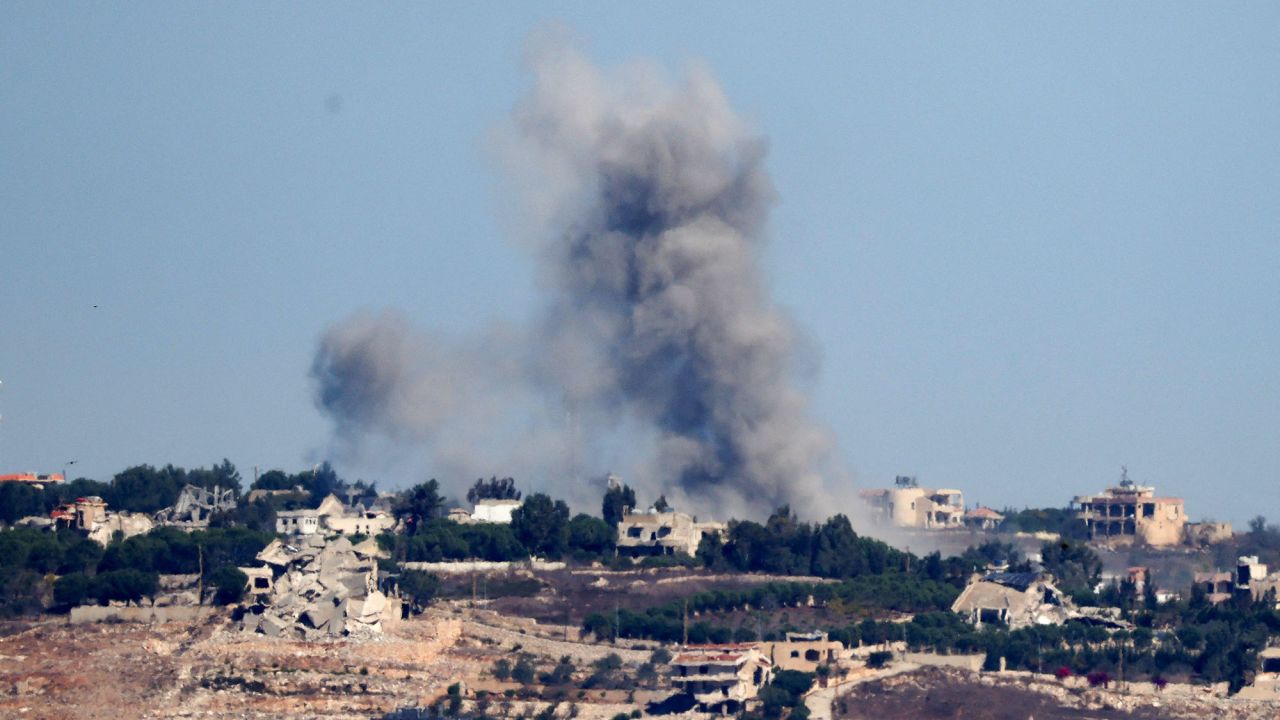
Future developments will likely hinge on whether the current signaling from both Tehran and Jerusalem leads to a sustainable return to the terms established in April or if the rejection of those terms by non-state actors like Hezbollah will continue to undermine regional security. Observers are awaiting further official updates from government spokespeople regarding the potential for renewed diplomatic negotiations or additional security measures.
We will continue to provide updates as official statements are released. For the latest developments on this situation, please check back for our ongoing coverage of regional security and international diplomatic efforts.
Related reading