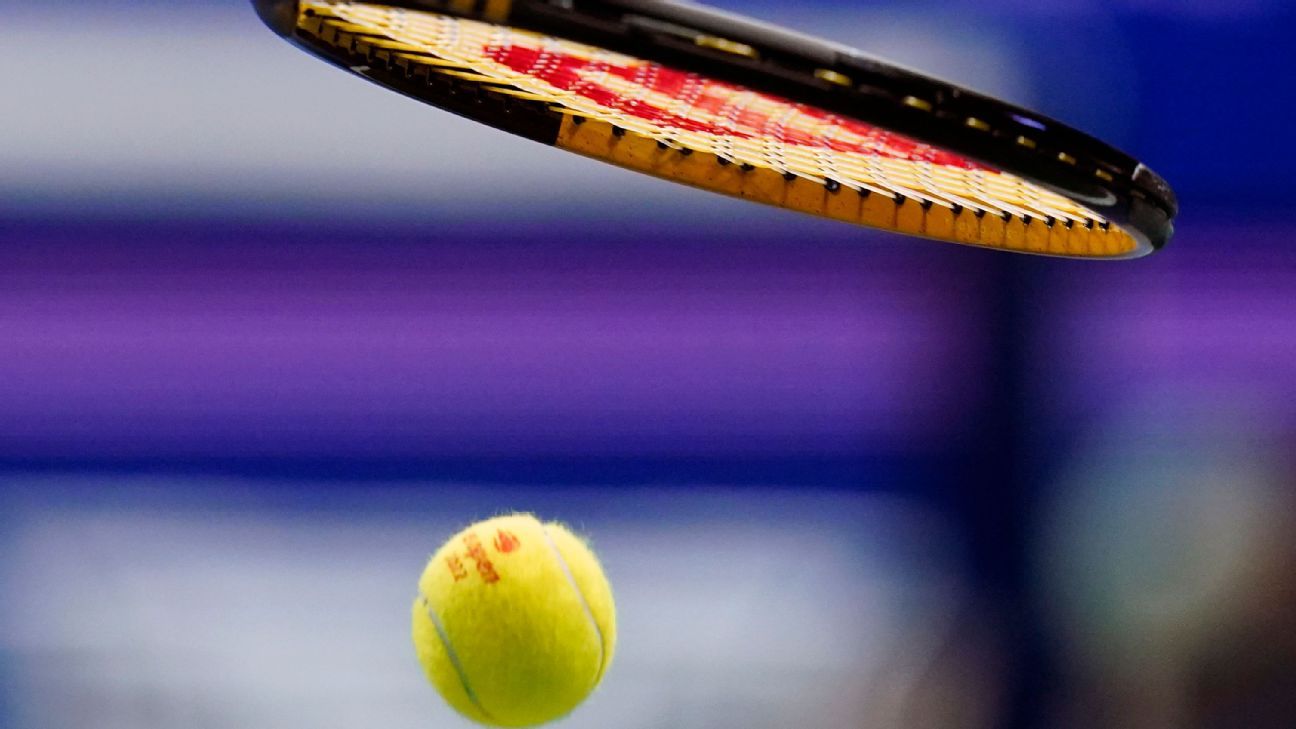
Davis Cup 2023: Canada vs. Israel Tie Played Behind Closed Doors – A Deep Dive
The highly anticipated Davis Cup World Group tie between Canada and Israel,scheduled for Halifax,Nova Scotia this weekend,will proceed but under unprecedented circumstances: without fans. This decision, announced by Tennis Canada on September 10, 2023, stems from escalating safety concerns flagged by local authorities and national security agencies.The move has ignited debate, drawing attention not only to the logistical challenges of international sporting events but also to the complex intersection of sports, politics, and public safety. Understanding the factors leading to this outcome requires a closer look at the situation, the concerns raised, and the implications for future events. This article provides a comprehensive overview of the Davis Cup tie, its altered format, and the broader context surrounding the decision.
Safety Concerns and the Decision to Close the Venue
Tennis Canada’s decision wasn’t made in a vacuum. It followed consultations with the International Tennis Federation (ITF) and came amidst growing pressure, including a petition signed by over 400 Canadian athletes and academics – including Olympic runner Moh Ahmed – calling for the tie’s cancellation. These calls were directly linked to Israel’s ongoing actions in Gaza and the West Bank, highlighting the sensitivity of hosting an Israeli team during a period of heightened geopolitical tension. Gavin Ziv, CEO of Tennis Canada, acknowledged the “very disappointing” outcome but firmly stated that the safety of athletes, fans, and staff remains the paramount concern.
The institution concluded that playing behind closed doors was the only viable option to both safeguard those involved and ensure the event could continue.Approximately 3,000 tickets – 1,500 per day – are being refunded, representing a “notable loss of revenue” for the non-profit organization.This financial impact underscores the difficult trade-offs involved in prioritizing safety over economic considerations.Recent data from the ITF shows a 15% increase in security costs for Davis Cup events in politically sensitive regions over the past two years, demonstrating a growing awareness of potential risks.
Beyond the absence of spectators,media access will also be restricted,with all player interviews conducted virtually. Halifax Regional Police confirmed their presence at the event, though they haven’t disclosed whether specific threats were directed at the Israeli team. The Center for Israel and Jewish Affairs (CIJA) expressed disappointment, stating that “a small group of extremists have hijacked the Davis Cup,” preventing fans from showing their support.
Related Keywords: Davis Cup Canada Israel, Tennis Canada safety concerns, Davis Cup Halifax, International tennis security, Davis Cup behind closed doors.
The Broader implications for Sporting Events
This situation raises critical questions about the future of international sporting events. How do organizers balance the desire to provide a welcoming and inclusive environment for fans with the need to ensure the safety of all participants? What role should political considerations play in hosting decisions? The incident highlights the increasing vulnerability of sporting events to disruption, not just from traditional security threats but also from politically motivated protests and activism.A 2023 report by the Global Sport Security Group (GSSG) found that 68% of major sporting events experienced some form of security incident in the past year, ranging from minor disruptions to serious threats. This underscores the need for robust security planning, proactive risk assessment, and close collaboration between event organizers, law enforcement agencies, and international governing bodies. furthermore, the incident prompts a discussion about the duty of athletes and sporting organizations to address broader social and political issues. Should athletes be expected to take a stand on controversial issues, or should they focus solely on their athletic performance?
Practical Steps for event Organizers
To mitigate similar risks in the future, event organizers should consider the following:
- Comprehensive Risk Assessment: conduct a thorough risk assessment that considers not only traditional security threats but also potential political and social disruptions.
- collaboration with Authorities: Maintain close communication and collaboration with local law enforcement agencies, national security agencies, and international governing bodies.
- Contingency Planning: Develop detailed contingency plans for various scenarios, including the possibility of canceling or postponing events.
- Enhanced Security Measures: Implement enhanced security measures, such as increased surveillance, bag checks, and access control.
- Clear Communication: maintain clear and transparent communication with fans, athletes, and the media.
LSI Keywords: geopolitical tensions,sporting event security,risk management,international relations,public safety.
Evergreen Insights: The History of Davis Cup Security
The davis Cup, established in 1900, has a long and storied history. while security concerns have always existed, they have evolved considerably over time. In the early years, security focused primarily on preventing cheating and ensuring fair play.
- ஃபிஃபா உலகக்கோப்பை இறுதிப் போட்டி: நேருக்கு நேர் மோதப்போகும் மெஸ்ஸ், யமால்
- Braves’ Walt Weiss gives concerning Spencer Strider and Spencer Schwellenbach injury update
- FDA raised conflict of interest concerns ahead of new peptide panel (archyde.com)
- Canada Selects Germany’s TKMS for Next-Gen Submarine Project (archynewsy.com)