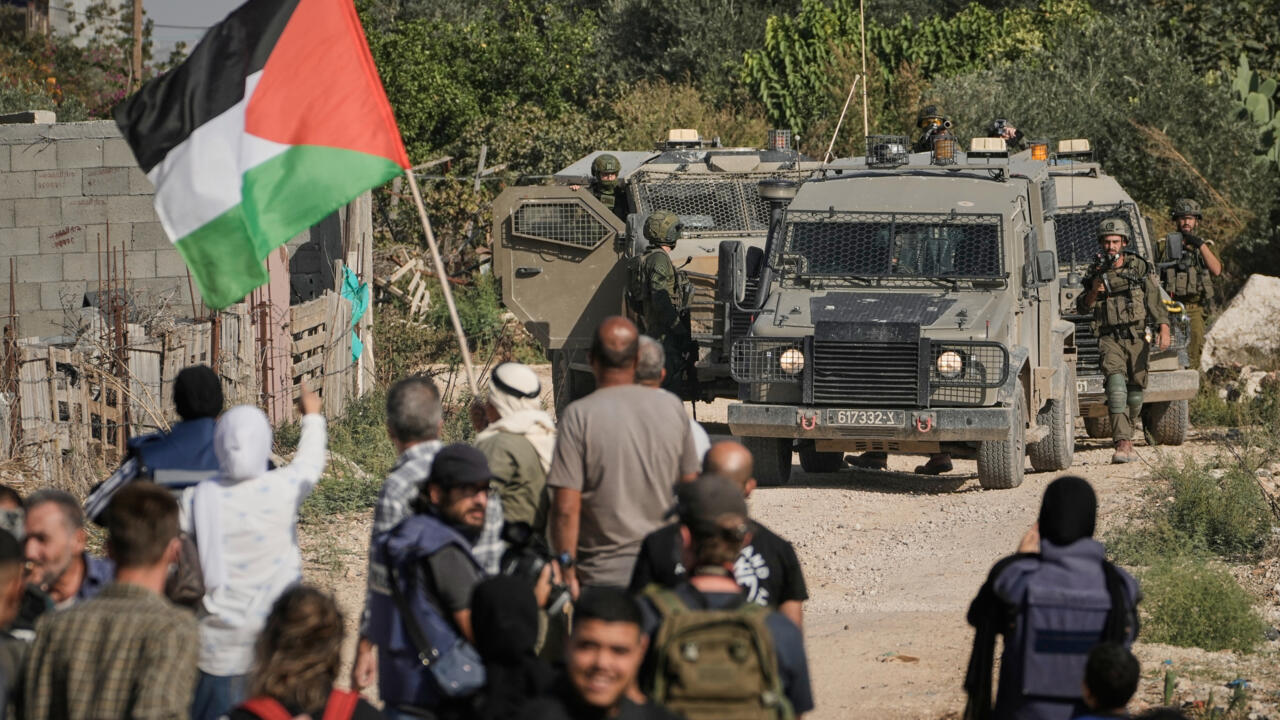
New Israeli Military Operation Launched in the West Bank: What You Need to Know
The Israeli military announced a fresh “counterterrorism” operation in the northern West Bank on Wednesday, November 26, 2025. This development signals a continued escalation of security measures in the region, even amidst the ongoing, albeit fragile, truce in Gaza. But what does this new operation mean for the current situation, and what are the potential implications for residents and the broader conflict?
Understanding the Current Situation
This operation is distinct from the “Iron Wall” counterterrorism initiative launched in January 2025. The “Iron Wall” operation primarily focused on Palestinian refugee camps. This new effort, centered in the area of northern Samaria (the Israeli biblical term for part of the West Bank), appears to be a targeted response to evolving security concerns.
Violence in the West Bank has dramatically increased since the Hamas attack on Israel in October 2023, triggering the war in Gaza. Despite the recent truce, this heightened tension hasn’t subsided. You’re likely aware of the devastating impact this ongoing conflict is having on civilians.
The Rising Toll: A Stark Reality
The situation on the ground is deeply concerning.Here’s a breakdown of the casualties reported since the start of the Gaza war:
* Palestinians Killed: Over 1,000, according to an AFP tally based on Palestinian health ministry figures.This includes both militants and a significant number of civilians.
* israelis Killed: At least 44, including soldiers and civilians, based on official Israeli figures.
These numbers underscore the urgent need for a comprehensive understanding of the factors driving the violence and the potential pathways to de-escalation.It’s a complex situation with deep historical roots.
Displacement and Humanitarian Concerns
The “iron Wall” operation, in particular, has led to significant displacement.Approximately 30,000 West Bank residents remain displaced ten months after its launch. This displacement creates immense hardship and exacerbates existing humanitarian challenges. Residents report feeling “forgotten” as thay struggle to rebuild their lives.
What’s Driving This New Operation?
While details are still emerging, the Israeli military and internal security service stated the operation aims to address counterterrorism concerns. this suggests a focus on dismantling militant infrastructure and preventing future attacks. however, the broader context of the Israeli occupation – which began in 1967 – and the ongoing political stalemate are crucial to understanding the underlying drivers of the conflict.
looking Ahead: key Questions Remain
The launch of this new operation raises several critical questions:
* Will this operation lead to a further escalation of violence?
* How will it impact the already vulnerable Palestinian population?
* What role will international actors play in mediating a resolution?
* Can a lasting peace be achieved without addressing the root causes of the conflict?
Evergreen Insights: The West Bank Conflict – A Historical Overview
The Israeli-palestinian conflict is one of the most enduring and complex geopolitical issues of our time. Understanding its history is essential for grasping the current situation.
* 1967 Six-Day War: Israel occupied the West Bank, East Jerusalem, gaza Strip, Sinai Peninsula, and Golan Heights.
* Oslo Accords (1993-1995): aimed to establish a framework for peace negotiations and interim self-governance for Palestinians.
* Second Intifada (2000-2005): A period of intensified violence and breakdown of peace talks.
* Ongoing Settlement Expansion: israeli settlements in the West Bank continue to be a major point of contention.
* The Gaza Blockade: Imposed by Israel and Egypt following Hamas’s takeover of Gaza in 2007, it has severely restricted the movement of people and goods.
Frequently Asked Questions (FAQ)
Q: What is the purpose of the new Israeli military operation in the West Bank?
A: The stated purpose is to conduct counterterrorism operations, targeting what the Israeli military perceives as threats to its security.
Q: How does this operation differ from the “Iron Wall” operation?
A: The “Iron Wall” operation primarily