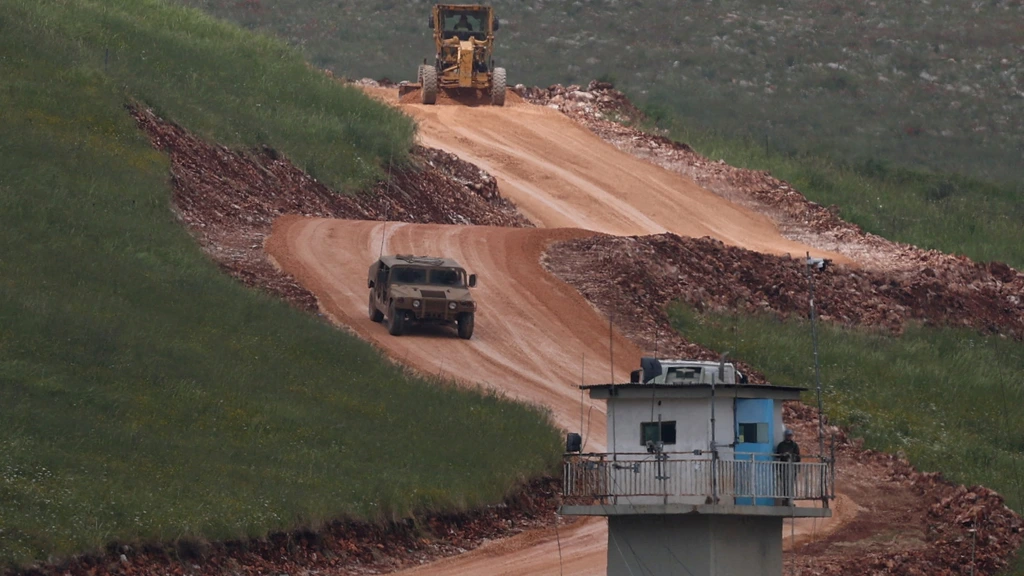
Israeli forces continue to maintain control over the so-called “Blue Line” in southern Lebanon, a move that violates international law and has heightened tensions along the Israel-Lebanon border. The Blue Line, established by the United Nations in 2000 following Israel’s withdrawal from Lebanon, serves as the de facto border between the two countries and is monitored by the UN Interim Force in Lebanon (UNIFIL). Despite its status as a temporary measure pending a permanent boundary agreement, Israeli military presence in areas north of the line has been documented by UN officials and international observers.
The ongoing occupation of Lebanese territory by Israeli forces has drawn consistent criticism from the United Nations and human rights organizations, which argue that such actions contravene United Nations Security Council Resolution 425 and the principles of territorial integrity under international law. Reports from UNIFIL patrols have repeatedly noted Israeli incursions into Lebanese airspace, maritime zones and land territory, particularly in the Shebaa Farms and Ghajar areas, which Lebanon claims as sovereign territory.
Recent escalations have included aerial bombardments and artillery strikes targeting locations in southern Lebanon, often justified by Israel as preemptive measures against Hezbollah. Although, these operations have resulted in civilian casualties and displacement, drawing concern from international humanitarian agencies. The destruction of infrastructure, including homes and agricultural land, has further exacerbated the humanitarian situation in already vulnerable border communities.
Journalists covering the conflict have faced significant risks, with multiple reports of media personnel being injured or killed during Israeli military operations in Lebanon. In recent months, several journalists have been reported missing or found dead under rubble following airstrikes, prompting condemnation from press freedom organizations such as Reporters Without Borders and the Committee to Protect Journalists. These incidents underscore the dangers faced by those attempting to document events in active conflict zones.
The international community has called for restraint and a return to the cessation of hostilities, emphasizing the necessitate for diplomatic engagement to prevent further escalation. The United Nations Interim Force in Lebanon continues to patrol the Blue Line and report violations, though its ability to enforce compliance is limited by its mandate and the consent of the host countries. UNIFIL’s reports remain a critical source of information on border incidents, including Israeli military movements into Lebanese territory.
Legal experts note that Israel’s continued presence in Lebanese territory beyond the Blue Line lacks authorization under international law and may constitute an ongoing violation of Lebanon’s sovereignty. While Israel asserts security concerns related to Hezbollah’s presence in southern Lebanon, the use of force must comply with the principles of necessity and proportionality under international humanitarian law. Any detention, surveillance, or military operation conducted on Lebanese soil without consent raises legal questions under the UN Charter and customary international law.
Efforts to revive negotiations over a permanent border have seen little progress, with both sides maintaining entrenched positions. Lebanon insists on the full implementation of UN resolutions calling for Israel’s withdrawal from all occupied Lebanese territory, including the Shebaa Farms. Israel, meanwhile, links any withdrawal to security guarantees and the disarmament of Hezbollah, conditions Lebanon and its allies reject as preconditions.
As the situation remains volatile, civilians in southern Lebanon continue to bear the brunt of the conflict, facing displacement, economic hardship, and psychological trauma. Agricultural livelihoods have been disrupted by land contamination and restricted access to farmland near the border. Humanitarian organizations have called for increased access to deliver aid and support reconstruction efforts in affected areas.
The role of international monitoring mechanisms remains vital in documenting violations and providing a basis for accountability. UNIFIL’s periodic reports, along with assessments from the Office of the United Nations High Commissioner for Human Rights, offer detailed observations of border incidents and their impact on civilian populations. These documents are essential for understanding the pattern of violations and informing diplomatic responses.
For readers seeking to follow developments, the United Nations Peacekeeping website provides regular updates on UNIFIL activities and border incidents. The Office for the Coordination of Humanitarian Affairs (OCHA) also publishes situation reports on humanitarian needs in southern Lebanon. Access to these sources allows for a clearer understanding of the evolving situation on the ground.
As of now, there are no scheduled high-level diplomatic meetings specifically addressing the Blue Line violations, though the issue continues to arise in broader UN Security Council discussions on Lebanon. The next UNIFIL mandate renewal is expected in the coming months, which may provide an opportunity for member states to address concerns about border violations and the mission’s operational constraints.
Stay informed, share this report, and join the conversation about the importance of upholding international law and protecting civilians in conflict zones.