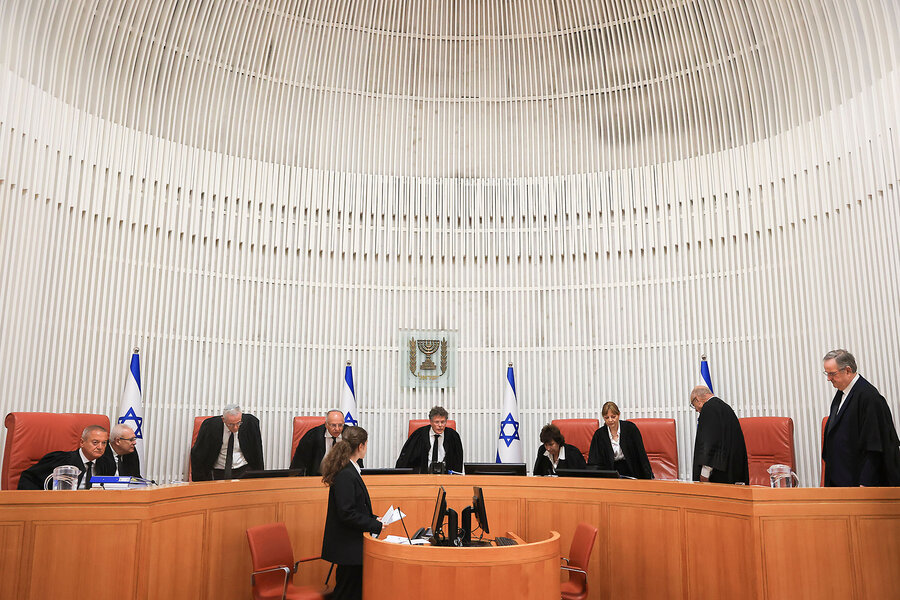
The Israeli government’s explicit warnings that it may disregard Supreme Court rulings have intensified a constitutional crisis, raising urgent questions about the separation of powers and the future of the rule of law in Israel. As the nation prepares for upcoming national elections, the friction between the executive branch and the judiciary has reached an unprecedented level, with senior officials openly questioning the authority of the High Court of Justice to strike down government decisions.
This escalating tension centers on whether the government is bound by judicial oversight, a cornerstone of Israel’s unwritten constitutional framework. According to reports from the Times of Israel, the rhetoric from various cabinet ministers has signaled a potential shift toward a system where judicial review is severely curtailed or ignored, sparking significant backlash from legal advocacy groups and members of the opposition who argue such a move would undermine democratic checks and balances.
The Constitutional Conflict Over Judicial Oversight
At the heart of the dispute is the government’s push for a sweeping overhaul of the judicial system, which proponents argue is necessary to rectify what they describe as judicial overreach. Conversely, critics and legal scholars warn that the proposed changes would strip the Supreme Court of its ability to act as a meaningful check on government power. The Office of the Attorney General has previously cautioned that ignoring court rulings would represent a fundamental departure from the principles of a democratic state, where the executive is expected to operate within the bounds of law as interpreted by the judiciary.

The conflict has been amplified by the Supreme Court of Israel’s history of intervening in legislative matters that touch upon civil rights and the Basic Laws, which serve as the state’s quasi-constitutional foundation. When the government asserts that it may defy these rulings, it effectively challenges the court’s role as the final arbiter of law. This stance has drawn sharp criticism from the Israel Bar Association, which has warned that institutionalizing such defiance could lead to a systemic collapse of legal order.
Political Stakes and the Election Landscape
The timing of these threats is intrinsically linked to the political calendar. As the country moves toward national elections, the rhetoric serves as a rallying cry for the government’s base, which has long been skeptical of the judiciary’s influence. Political analysts note that by framing the Supreme Court as an obstacle to the will of the people, government leaders are attempting to consolidate voter support ahead of the polls.

However, this strategy carries significant risks. International observers and democratic allies have expressed concern over the trajectory of these events. The U.S. Department of State has frequently reiterated the importance of maintaining strong, independent judicial institutions in democratic nations, emphasizing that such institutions are vital for protecting the rights of all citizens. For many voters, the preservation of the judiciary is a central issue, and the government’s defiance could influence turnout and shift the political balance as the election date approaches.
Impact on the Rule of Law
The potential for a government to ignore the judiciary creates a vacuum of accountability. Legal experts suggest that if the executive branch successfully bypasses court rulings, it could set a precedent where cabinet decisions, administrative actions, and even emergency regulations are no longer subject to legal scrutiny. This would likely have a profound impact on minority rights and the protection of civil liberties, which the Supreme Court has historically defended.
Furthermore, the uncertainty surrounding this standoff affects the broader stability of the state. Investors and international partners monitor the strength of a country’s legal system as a measure of its reliability and commitment to the rule of law. The current, highly polarized environment has led to warnings from economists that sustained political instability could negatively impact the nation’s financial outlook.
Looking Ahead: Judicial Hearings and Official Proceedings
The next major checkpoint in this ongoing crisis involves upcoming sessions at the High Court of Justice, where petitions challenging government policies are scheduled to be heard. These proceedings will likely provide a clearer picture of how the court intends to respond to the executive’s threats of defiance. Observers are particularly focused on whether the court will issue injunctions to compel government compliance or if it will seek a mediated resolution to avoid a direct confrontation that could trigger a constitutional breakdown.

As the legal and political battle continues, stakeholders are encouraged to monitor official announcements from the Government of Israel and the Supreme Court’s website for the most accurate and up-to-date information regarding hearing schedules and case rulings. The situation remains fluid, and the implications for the nation’s democratic architecture continue to be a subject of intense national debate. We invite our readers to follow these developments and share their perspectives on the role of the judiciary in maintaining a balanced government.