
Qatar Strike Threatens Fragile Gaza Ceasefire, Escalating Regional Instability
The recent Israeli strike in Doha, Qatar, targeting Hamas affiliates and tragically resulting in the death of a Qatari security officer, represents a risky escalation in the ongoing conflict and casts a long shadow over already precarious regional peace efforts.This operation, described by UN Political and Peacebuilding Affairs Assistant Secretary-General Rosemary DiCarlo as potentially opening a “new and perilous chapter in this devastating conflict, seriously threatening regional peace and stability,” demands immediate and comprehensive international attention.
The September 9th attack,which struck residential compounds believed to house members of hamas’ political bureau – including the son of key negotiator Khalil al-Hayya – occurred at a particularly sensitive juncture. while Hamas leadership survived, the incident has demonstrably disrupted ongoing, US-mediated negotiations aimed at securing a ceasefire and the release of hostages held in Gaza. This disruption isn’t merely a setback; it actively undermines the delicate diplomatic architecture painstakingly constructed to alleviate the immense suffering in the region.
Upholding Sovereignty: A Cornerstone of Peace
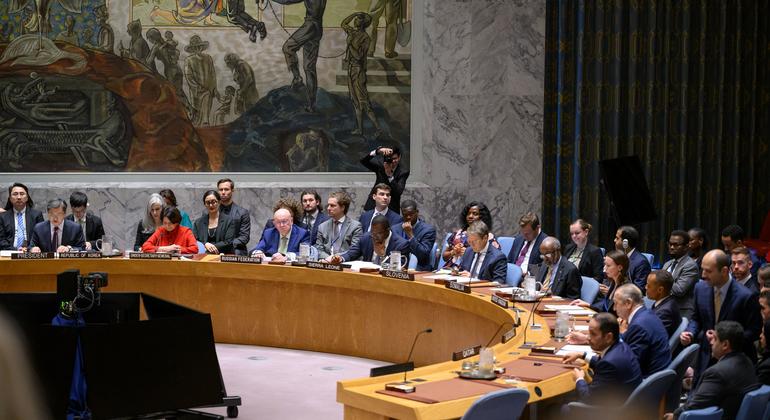
The international community must unequivocally reaffirm the fundamental principle of national sovereignty. As Ms. DiCarlo emphasized to the UN Security Council, “The sovereignty and territorial integrity of any country, including Qatar – a valued partner in advancing peacemaking and conflict resolution - must be respected.” Qatar’s role as a crucial mediator, alongside Egypt and the United States, is vital. Undermining Qatar’s security and stability directly jeopardizes its ability to facilitate these critical negotiations. This isn’t simply a matter of diplomatic protocol; it’s a matter of preserving a vital channel for de-escalation.
Israel has claimed responsibility for the strike, characterizing it as a “wholly independent operation” in response to a deadly attack in Jerusalem attributed to Hamas. While acknowledging israel’s right to self-defense, the timing and location of this operation raise serious questions about its proportionality and its impact on broader regional stability. The response must be calibrated to avoid further inflaming tensions and derailing peace efforts.
the condemnation from Qatar, the Gulf Cooperation Council, the league of Arab states, and the Association of Islamic Cooperation underscores the widespread concern over this escalation. These reactions are not merely symbolic; they reflect a genuine fear that the conflict is spiraling out of control.
Erosion of Trust and the Urgency of Diplomacy
The timing of the strike – “at the height of ongoing consultations,” as Ms. dicarlo noted – is particularly alarming. Any action that undermines the work of mediation and dialog weakens confidence in the very mechanisms we depend on for conflict resolution. Durable solutions in the Middle East cannot be forged through military action alone.They require sustained, good-faith negotiations, and a commitment to addressing the root causes of the conflict.
The current situation demands a renewed commitment to diplomacy. The urgency of achieving a ceasefire and securing the release of hostages has never been greater. The international community must collectively urge all stakeholders to exercise ”utmost restraint” and prioritize dialogue. The call to “Strike a deal. Free the hostages. End the suffering of the people of Gaza” is not merely a plea for compassion; it’s a recognition that the current trajectory is unsustainable and will only lead to further bloodshed and instability.
Gaza: A Humanitarian Catastrophe Demanding Immediate Action
The crisis in Gaza continues to deteriorate at an alarming rate. As the October 2023 escalation – triggered by attacks from Hamas and other Palestinian armed groups on southern Israel – tens of thousands have perished, the vast majority of whom are civilians.Infrastructure has been decimated, basic services have collapsed, and the enclave is facing a humanitarian catastrophe of immense proportions. A new offensive targeting Gaza City is currently underway,promising further devastation and loss of life.
The situation in the occupied West Bank remains equally critical, compounding the overall instability. Addressing the humanitarian needs of both Gazans and West Bank residents is paramount, but it is indeed only a temporary measure. A lasting solution requires a comprehensive political settlement that addresses the underlying grievances and aspirations of both Israelis and Palestinians.
UN Security Council Response and the Path Forward
The UN Security Council’s recent press statement, condemning the strikes in Doha and reaffirming support for Qatar’s sovereignty, is a welcome step. However, words alone are insufficient. The Council must leverage its authority to actively promote a ceasefire, facilitate the release of hostages, and ensure the protection of civilians.
The Council’s statement correctly identifies the release of hostages – including those tragically killed by Hamas - as a top priority. However, this must be coupled with a commitment to ending hostilities and addressing the systemic issues that fuel the conflict.





