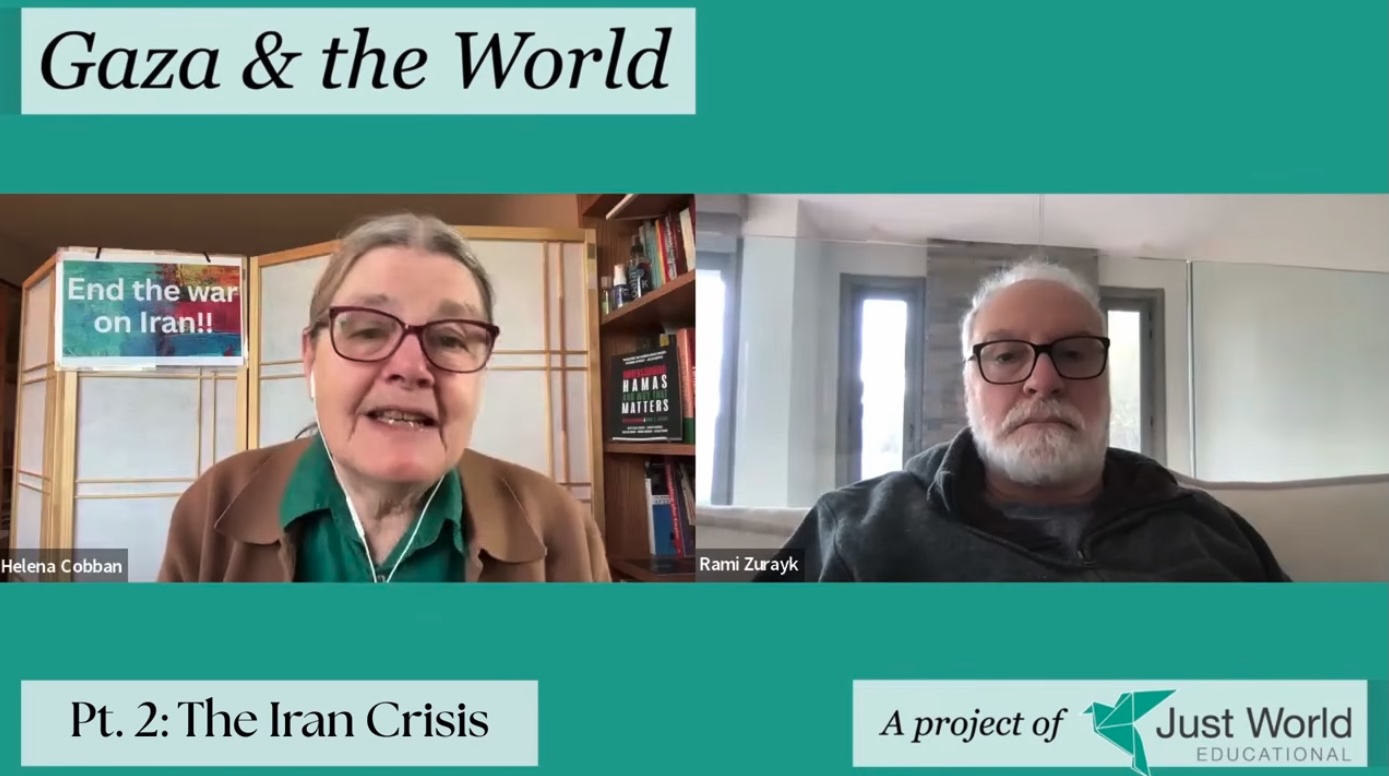
The humanitarian and environmental landscape of Lebanon has reached a critical breaking point following a series of devastating military escalations. In a detailed analysis of the current crisis, Prof. Rami Zurayk, a researcher on ecological affairs and social activist with deep roots in South Lebanon, has highlighted the catastrophic scale of Israel’s ongoing assault against Lebanon, describing a pattern of destruction that extends far beyond traditional military objectives.
The intensity of the conflict surged dramatically during an escalation on April 8, 2026, a date that coincided with tentative diplomatic signals that Washington might be prepared to negotiate a ceasefire with Iran verified April 8 escalation. According to Zurayk, the attacks on Beirut during this period were unusually severe, with the death toll on that single day reportedly exceeding twice that of the 2020 Beirut port explosion.
Zurayk argues that the current military strategy is not “surgical” warfare. Instead, he describes the deliberate leveling of entire residential buildings and the targeting of Lebanon’s civil support system, including pharmacies and critical humanitarian infrastructure essential for displaced civilians. This approach, he suggests, is designed to dismantle the social and physical foundations of Lebanese society.
The Documentation of Ecocide in South Lebanon
A central and often overlooked dimension of the conflict is what Zurayk identifies as ecocide. As a researcher specializing in ecological affairs, Zurayk has been documenting systemic environmental damage across South Lebanon since the early phases of the war. His findings include the use of white phosphorus and glyphosates, the intentional burning of agricultural fields, and the destruction of native ecosystems, including vital oak thickets.
Zurayk places this environmental destruction within a broader ideological framework, linking it to a mindset of settler colonialism. He contends that traditional rhetoric regarding “greening the desert” often masks an eco-colonial approach where native ecologies are viewed as obstacles to be erased. By destroying land, trees, and agricultural systems, the attacking forces aim to eliminate the natural terrain that historically provides shelter and support for resistance movements.
To illustrate this tactic, Zurayk draws a historical parallel to the anti-Nazi maquis resistance in France, noting that the strategy of eliminating natural cover to isolate resistance fighters is a recurring element of colonial and counter-insurgency warfare.
Humanitarian Resilience and the Role of DALLA
Amidst the collapse of formal infrastructure, grassroots organizations have stepped in to fill the void. Zurayk highlighted the work of DALLA, a women-led organization dedicated to supporting displaced families. The group provides essential survival resources, including meals, community kitchens, dignity kits, and diapers, specifically targeting the needs of women and children.
Unlike traditional aid agencies that may operate from fixed hubs, DALLA has adopted a mobile strategy. By building relationships and infrastructure prior to the current escalation, the organization is now able to follow the movement of displaced populations, ensuring that aid reaches those in flight rather than remaining tied to static locations that may become targets.
Lebanon’s Complex Political and Sectarian Landscape
The conflict is further complicated by Lebanon’s internal “confessional” system, a political structure that distributes power among inherited religious and sectarian identities. Zurayk explains that this system often creates a zero-sum environment where different political and sectarian “tribes” view one another as rivals, making national unity difficult during times of external aggression.
While the core support for the resistance remains concentrated within the Shia community of the South and the Bekaa Valley, Zurayk notes that support as well extends to smaller parties among Christians, Sunnis, and Druze. He observes that while Hezbollah’s strength grew following the forced Israeli withdrawals in 2000 and 2006, internal political and media forces have spent years fostering division within the country.
This internal fragmentation has led to a contentious political climate regarding negotiations. Zurayk expresses deep concern over the Lebanese government’s apparent willingness to enter negotiations with Israel amidst massive suffering in Lebanon and the ongoing destruction in Gaza. He frames this as a dangerous maneuver, potentially driven by intense pressure from the United States, Israel, and other regional powers to detach Lebanon from its alliance with Iran.
The Marginalization of Palestinian Refugees
The role of Palestinian refugees in Lebanon has also shifted significantly. Zurayk notes that the Palestinian presence in the country has been steadily eroded since 1982, as camps were destroyed or weakened by migration and political marginalization. Palestinians are not central to the current military battle, partly due to their diminished numbers and partly due to internal political divisions between Hamas-aligned and Fatah-aligned factions within the camps.
Geopolitical Implications and the Iran-U.S. Struggle
On a regional scale, Lebanon is viewed as a single piece of a much larger geopolitical struggle. This was underscored by the stalling of Iran-U.S. Negotiations, which had held a brief opening session in Islamabad, Pakistan, shortly before Zurayk’s April 12 analysis verified April 12 conversation.

Zurayk argues that resistance movements often seek support from Iran because the state has historically supported liberation movements when other global powers would not. However, his primary concern remains the possibility of Lebanon drifting into a direct peace agreement with Israel, a prospect he views as anathema to the goals of the resistance.
Key Summary of the Crisis
| Impact Area | Reported Effects | Strategic Interpretation |
|---|---|---|
| Urban Infrastructure | Leveling of buildings; strikes on pharmacies | Non-surgical warfare targeting civil support |
| Environment | White phosphorus; burning of oak thickets | Ecocide to eliminate resistance terrain |
| Humanitarian | Mass displacement of families | Reliance on grassroots mobile aid (e.g., DALLA) |
| Political | Government pressure to negotiate | Attempt to shift Lebanon away from Iran |
The situation remains fluid as the international community monitors the stalled diplomatic efforts in Islamabad and the escalating humanitarian needs in South Lebanon. The next critical checkpoint will be the outcome of any renewed attempts by regional powers to establish a sustainable ceasefire and the subsequent assessment of environmental damage in the south.
World Today Journal encourages readers to share this report and provide their perspectives on the humanitarian crisis in the comments section below.
Keep reading