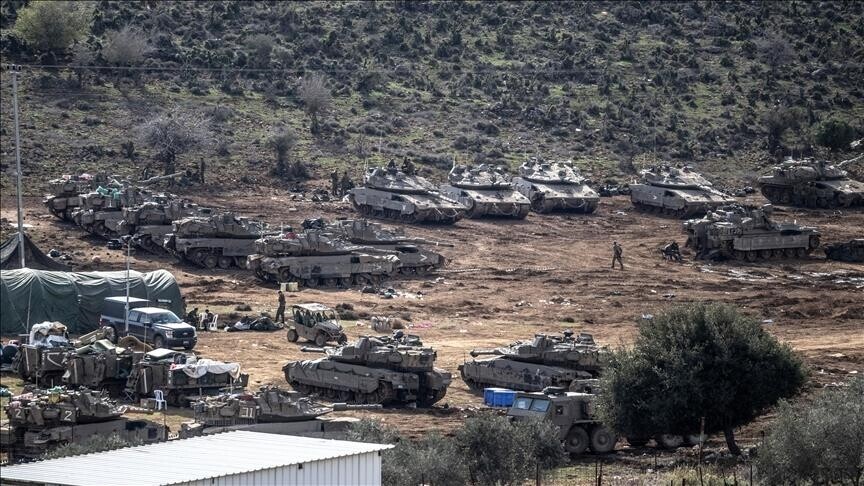
Internal divisions within the Israeli security cabinet have intensified over the conditions of a potential ceasefire and troop withdrawal in Lebanon, with officials clashing over the strategic requirements for ending hostilities. The public debate, marked by sharp disagreements between security officials and political ministers, centers on whether a withdrawal from southern Lebanon should be contingent on the disarmament of Hezbollah or restricted to limited geographic adjustments near the border, according to reports.
The discord reflects a broader challenge for the Israeli government as it balances the tactical objective of securing northern communities with the complex diplomatic requirements of international mediators. While some government figures advocate for freedom of military action as a condition for any agreement, others, including security voices, have questioned the political feasibility of these demands.
Cabinet Tensions and Strategic Disagreements
The friction within the Israeli cabinet surfaced as ministers debated the scope of a proposed withdrawal from territory in southern Lebanon. Reports indicate that while some ministers insist on the disarmament of Hezbollah as a precondition for any Israeli pullback, other officials—including those within the security establishment—have highlighted the practical limitations of such demands.
The disagreement has spilled into the public sphere, with ministers openly criticizing the government’s communication strategy. Critics within the cabinet have accused leadership of presenting unrealistic goals to the public, particularly regarding the ability to maintain freedom of military operations in Lebanese territory. These internal critiques emphasize a widening gap between the government’s stated objectives and the military realities on the ground in southern Lebanon.
The Dispute Over Withdrawal and Border Security
The core of the tactical debate involves the “Yellow Line” and the extent of the Israeli military presence required to prevent future attacks. Israeli officials propose a limited withdrawal, while Lebanon insists on a broader withdrawal within the Yellow Line. The Israeli side remains divided on how much territory must be controlled to ensure the safety of citizens living in northern Israel.
The debate is further complicated by disagreements within the cabinet. Zamir has stated that the ministers themselves wanted a ceasefire, while Ben Gvir has argued that soldiers are in the line of fire of Hezbollah. Additionally, there are reports that Netanyahu and Katz are promising freedom of action in Lebanon while misleading the public.
Why the Discourse Matters for the Region
The ongoing debate within the Israeli cabinet is not merely procedural; it directly influences the timeline for a potential resolution to the hostilities. The uncertainty regarding Israel’s final stance has created a vacuum that complicates the work of international envoys. If the cabinet cannot reach a consensus on the terms of engagement, the likelihood of an extended conflict increases, with significant humanitarian and economic implications for both northern Israel and southern Lebanon.
Next Steps in the Negotiation Process
The next major checkpoint in this process is expected to be the upcoming visit by international envoys tasked with reconciling the differences between the Israeli and Lebanese positions. The cabinet is expected to reconvene to finalize its negotiating mandate before these high-level meetings take place. Observers should monitor official government statements for shifts in policy, as these will signal whether the cabinet is moving toward a compromise or maintaining its current, more rigid, position on the security of the border region.
Readers are encouraged to share their perspectives on these developments in the comments section below or follow our dedicated coverage page for real-time updates as they happen.
Related reading