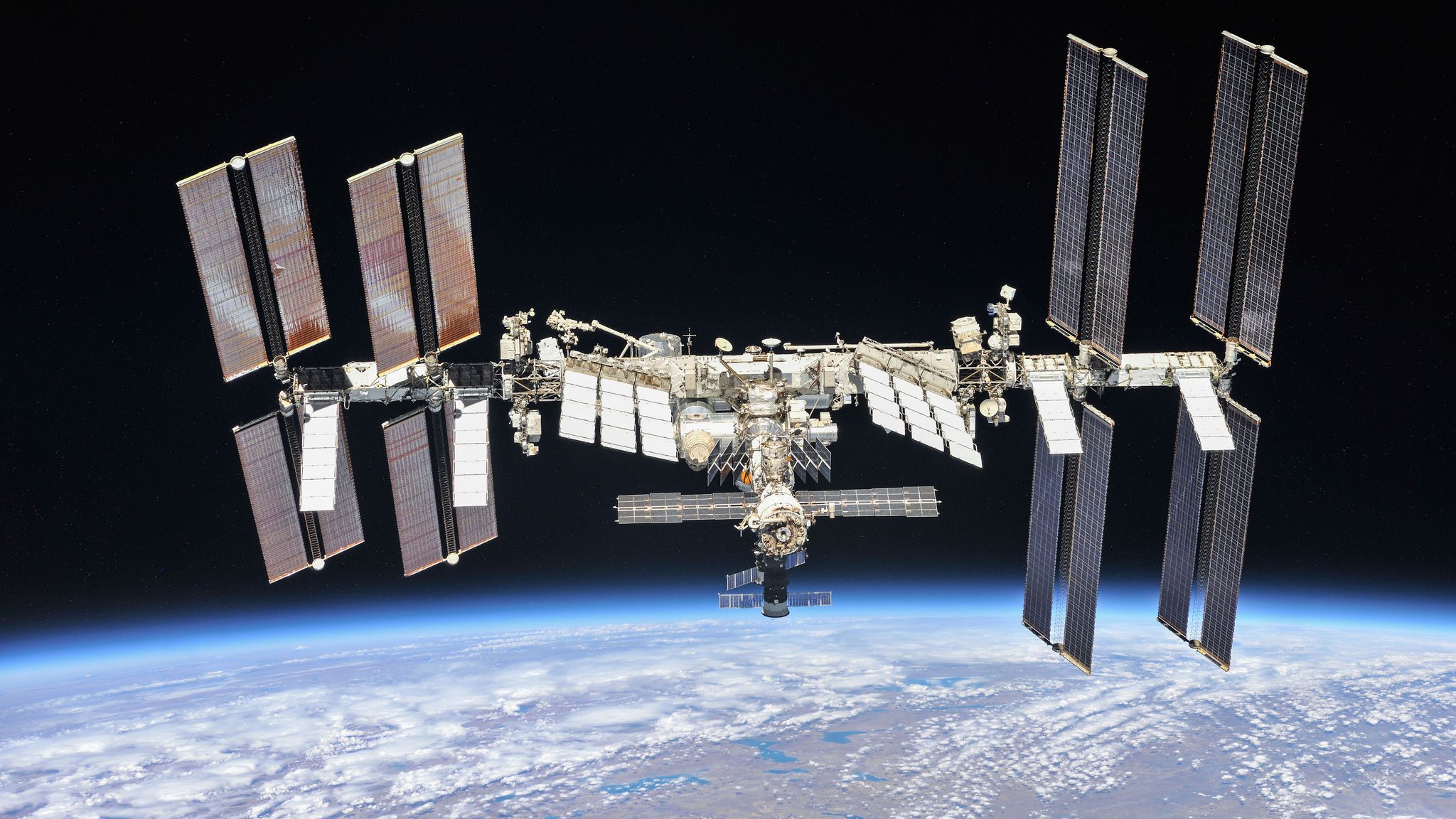
Astronauts aboard the International Space Station (ISS) were temporarily directed to shelter in a docked spacecraft on Friday, June 5, 2026, as a precautionary measure during repair operations conducted by Russian cosmonauts. The incident, which involved addressing air leaks in the Zvezda service module, highlights the ongoing maintenance challenges faced by the aging orbital laboratory.
NASA officials confirmed that the decision to move crew members to a “safe haven” aboard a SpaceX Dragon capsule was made out of an abundance of caution. The directive was relatively short-lived. shortly after the initial announcement, NASA reported that the procedure had concluded and the astronauts were permitted to resume their normal mission activities following a pause in the repair work. This event underscores the complexities involved in sustaining the ISS as it continues to support international research efforts, as detailed in reports from Florida Today.
Addressing Recurring Maintenance Challenges
The Zvezda service module has been a focal point for maintenance concerns, as it is one of the oldest components of the station. Recent discoveries of new leaks in the transfer tunnel, known as the PrK, prompted the Russian space agency, Roscosmos, to initiate a more extensive repair effort. Bethany Stevens, a NASA spokesperson, noted on social media that the repair operations were part of an ongoing process to manage the structural integrity of the aging outpost, which has experienced a series of similar issues over the past several years.
While the ISS remains fully operational, the frequency of these mechanical issues has prompted discussions regarding the long-term viability of the station. NASA has consistently emphasized the necessity of persistent monitoring and proactive repairs to ensure the safety of the crew. The station serves as a critical platform for scientific discovery, and the ability to mitigate risks associated with hardware degradation is a key priority for mission controllers on the ground.
The Role of International Cooperation in Space Safety
The International Space Station operates through a complex partnership between space agencies, including NASA and Roscosmos. The collaborative nature of the mission means that when technical issues arise in specific modules, the response is coordinated across all segments of the station to ensure the safety of all personnel on board. The use of a “safe haven” procedure—where crew members retreat to a docked spacecraft—is a standard safety protocol designed to protect astronauts in the event of depressurization or other emergencies.

According to official updates, the crew was never in immediate danger during the recent repair operations. The decision to pause the work and allow the crew to resume normal operations demonstrates the high degree of caution exercised by mission management. As the station continues to orbit the Earth, the international partners remain committed to addressing technical hurdles through rigorous engineering assessments and collaborative repair strategies.
Looking Toward the Future of Human Spaceflight
As NASA looks toward the future of human exploration, including the Artemis program and planned missions to Mars, the lessons learned from the ISS are invaluable. The station continues to provide a unique environment for testing technologies and studying the long-term effects of space travel on the human body. NASA’s current mission portfolio, which includes the Artemis program, aims to build upon the foundation established by years of continuous human presence in low Earth orbit.
Despite the challenges posed by the station’s age, the commitment to its operation remains firm. The agency is currently balancing the demands of maintaining the ISS with the ambitious goals of lunar and Martian exploration. For the public and stakeholders, staying informed about these developments is essential for understanding the risks and rewards of space exploration. Readers interested in following the progress of current missions can monitor official updates provided by NASA through their primary portal at nasa.gov.
Key Takeaways
- Safety Protocols: Astronauts successfully utilized a “safe haven” procedure as a precautionary measure during scheduled repairs on the Russian segment of the ISS.
- Ongoing Maintenance: The Zvezda service module has experienced recurring leaks, leading to ongoing efforts by Roscosmos to implement comprehensive repairs.
- Mission Continuity: Despite the brief interruption, the ISS remains operational, and the crew has resumed their scheduled research activities.
- Strategic Planning: NASA continues to manage the balance between maintaining the aging orbital platform and advancing long-term exploration goals, such as the Artemis program.
As we monitor the situation, we invite our readers to share their thoughts on the future of international space collaboration in the comments section below. Stay tuned to the World Today Journal for further updates regarding the status of the International Space Station and upcoming developments in global space policy.
Worth a look