
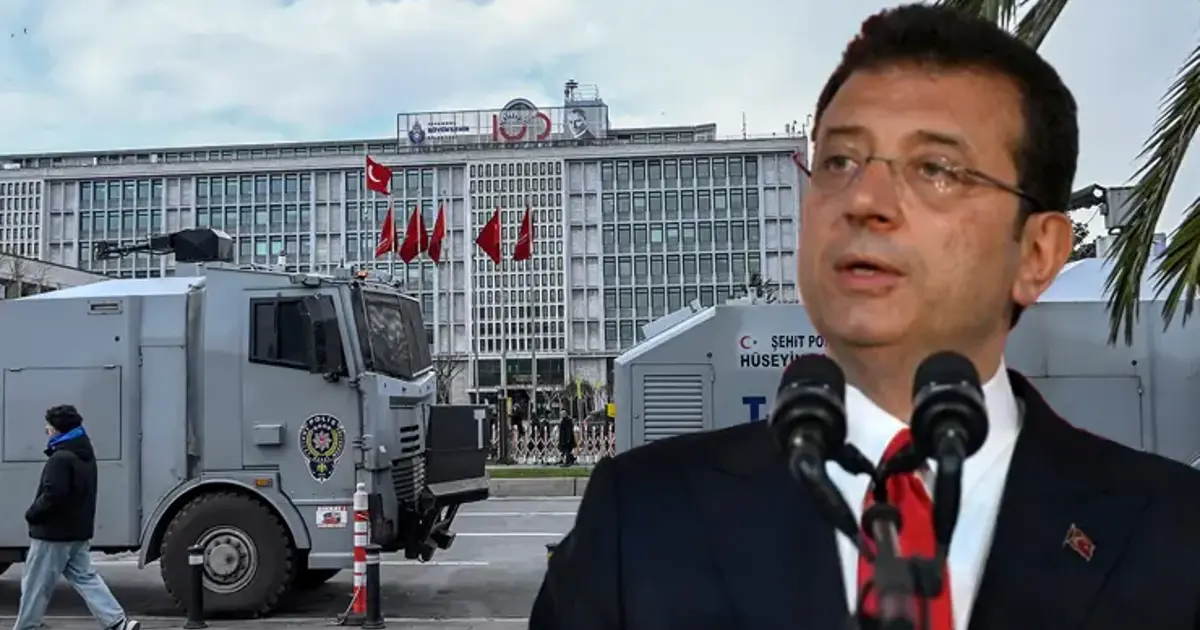
Authorities in Turkey have launched a significant legal operation targeting the Istanbul Metropolitan Municipality (İBB), resulting in the detention of at least 29 individuals. The probe centers on allegations of irregularities surrounding public tenders within one of the city’s key municipal subsidiaries, signaling another escalation in the scrutiny of the administration governing Turkey’s largest metropolis.
The operation, coordinated by the Istanbul Chief Public Prosecutor’s Office, specifically targeted Ağaç ve Peyzaj A.Ş. (Tree and Landscape Inc.), a subsidiary responsible for the city’s green spaces and urban landscaping. Law enforcement officials conducted simultaneous raids on multiple residences and office locations, focusing on suspected bid-rigging and the misappropriation of public funds during the procurement process.
For a global audience, this development is more than a localized corruption probe. It occurs against a backdrop of intense political friction between the central government in Ankara and the opposition-led municipal government in Istanbul. The systematic investigation into İBB’s procurement practices has become a recurring theme in Turkish domestic politics, reflecting deeper tensions over administrative autonomy and judicial oversight.
Details of the Procurement Probe
The current investigation focuses on “tender irregularities,” a term encompassing the potential manipulation of bidding processes to favor specific contractors. According to reports regarding the operation, the suspects include both municipal employees and private contractors who allegedly colluded to inflate costs or bypass competitive bidding laws. While the exact number of detentions has been reported between 29 and 30 across various outlets, the primary focus remains on the executive management of the landscape subsidiary.

Under Turkish public procurement law, municipal subsidiaries are required to follow strict transparency guidelines to ensure the efficient use of taxpayer money. Investigators are currently examining digital records, bank statements, and contract filings to determine if these laws were intentionally circumvented. The Official Gazette of the Republic of Turkey provides the legal framework for these procurement mandates, which serve as the benchmark for the ongoing judicial review.
The detentions are part of a broader effort by the prosecutor’s office to audit the financial dealings of İBB’s various “iştirakler” (subsidiaries). These companies are designed to provide specialized services to the city—ranging from transportation to landscaping—but their semi-autonomous nature often makes them focal points for audits and legal challenges.
The Role of Ağaç ve Peyzaj A.Ş. In Istanbul’s Infrastructure
Ağaç ve Peyzaj A.Ş. Is tasked with the critical responsibility of maintaining Istanbul’s urban forests, parks, and botanical assets. In a city of over 15 million people, the management of green spaces is not only an environmental necessity but a high-budget operation involving millions of dollars in annual spending on plant procurement, soil management, and labor.

Because the subsidiary manages high-volume contracts for the purchase of trees and landscaping materials, it is particularly susceptible to “over-invoicing”—a practice where goods are billed at prices significantly higher than market value, with the surplus allegedly shared among colluding parties. This specific vulnerability is what investigators believe led to the current wave of arrests.
The impact of these detentions may lead to temporary administrative delays in the city’s landscaping projects. However, the İBB administration has historically maintained that such operations are politically motivated attempts to destabilize the municipal government’s efficiency and reputation.
Political Friction and Municipal Oversight in Turkey
To understand the weight of this operation, one must look at the political landscape of Turkey. The Istanbul Metropolitan Municipality is led by the Republican People’s Party (CHP), the main opposition to the Justice and Development Party (AKP) led by President Recep Tayyip Erdoğan. Since the CHP took control of Istanbul in 2019, the city has been the site of a persistent “tug-of-war” between local and central authorities.

The central government maintains that its audits are necessary to prevent corruption and protect public assets. Conversely, the İBB administration argues that the frequency of these probes—often involving dozens of detentions—is a strategy to hinder their ability to govern and to create a narrative of incompetence or criminality. This dynamic is frequently highlighted in reports by international observers, such as those from the European Court of Human Rights, regarding the intersection of law and politics in Turkey.
This operation is not an isolated event. Over the last few years, various İBB departments have faced similar scrutiny, ranging from transportation tenders to the management of city-owned companies. Each wave of detentions typically follows a pattern: simultaneous morning raids, a period of police custody, and subsequent court appearances where suspects are either released under judicial control or remanded in custody.
Legal Implications and Next Steps
The 29 suspects are currently undergoing interrogation. The legal process in Turkey for such cases typically involves a “custody period” where the prosecutor determines if there is sufficient evidence to file a formal indictment. If the court finds probable cause, the suspects may face charges of “misconduct in office” or “fraud,” which carry significant prison sentences under the Turkish Penal Code.

The broader implication for the İBB is the potential for further audits. If the prosecutor’s office finds systemic failures within Ağaç ve Peyzaj A.Ş., it is likely that other subsidiaries will be subjected to similar deep-dive investigations. This creates a challenging environment for municipal managers who must balance the need for rapid urban development with the risk of falling foul of stringent—and sometimes selectively applied—oversight mechanisms.
For those following the case, the next critical phase will be the court hearings, where the suspects’ legal representatives will challenge the grounds for detention. These proceedings will reveal whether the evidence is based on concrete financial discrepancies or procedural technicalities.
Key Takeaways
- The Event: At least 29 individuals were detained in a probe targeting İBB’s landscaping subsidiary, Ağaç ve Peyzaj A.Ş.
- The Allegations: The investigation centers on irregularities in public tenders, specifically suspected bid-rigging and financial misconduct.
- The Agency: The operation was led by the Istanbul Chief Public Prosecutor’s Office.
- The Context: The probe occurs amid ongoing political tension between the AKP-led central government and the CHP-led Istanbul municipality.
- The Risk: Potential for further audits across other İBB subsidiaries if systemic fraud is proven.
The next confirmed checkpoint in this legal process will be the court appearances of the detainees, where judges will decide whether to order formal arrests or release the individuals under judicial control. We will continue to monitor the filings from the Istanbul Chief Public Prosecutor’s Office for further updates.
Do you believe these municipal audits are a necessary tool for transparency or a political instrument? Share your thoughts in the comments below or share this report to keep the global community informed.