
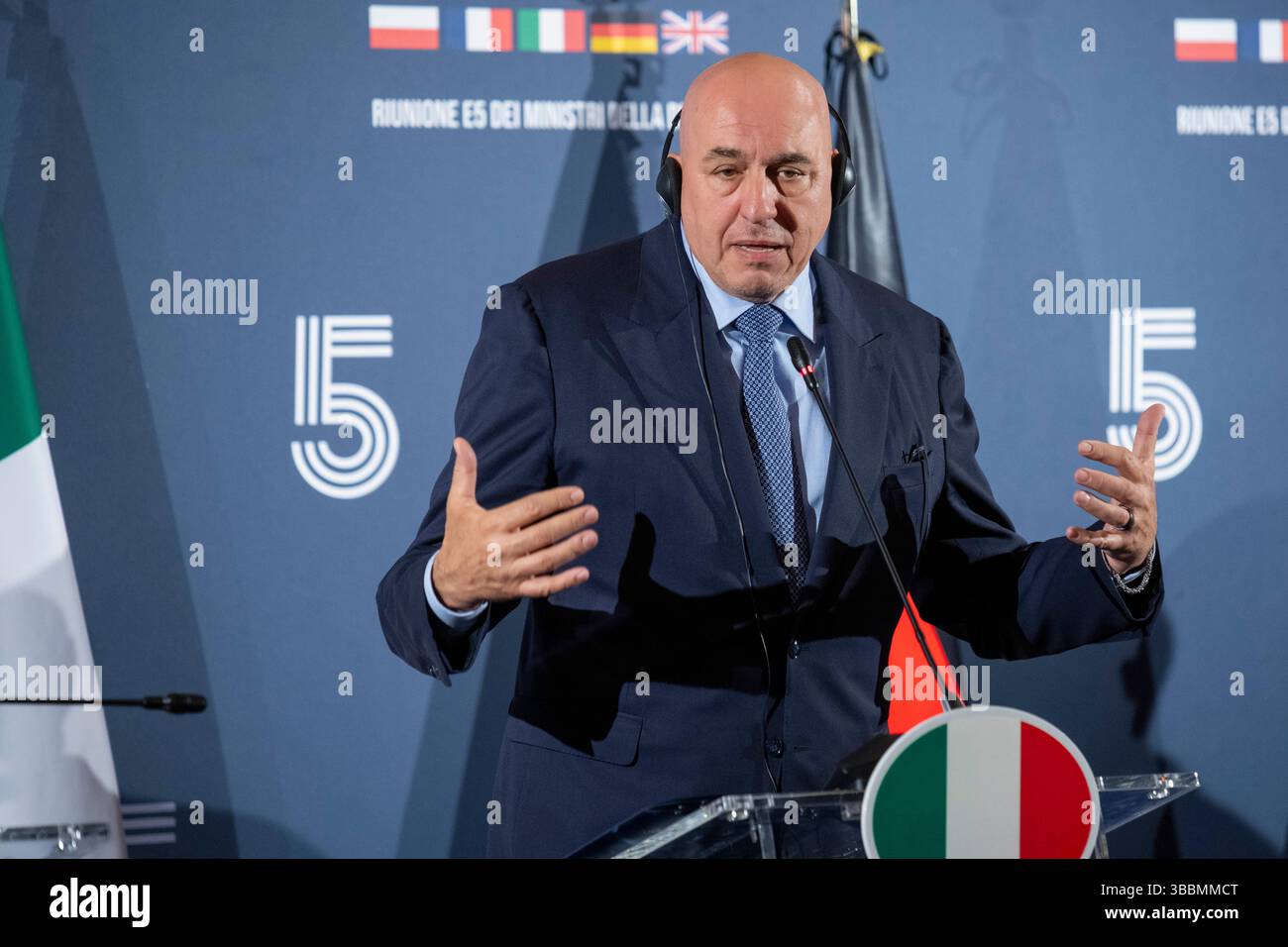
Italian Minister of Defense Guido Crosetto has issued a formal call for the condemnation of all forms of political intimidation following the emergence of threats directed at Carlo Calenda, leader of the Azione political party. The threats, which appeared on a Telegram channel, have prompted a broad wave of solidarity from across the Italian political spectrum, highlighting growing concerns regarding the safety of public figures in the digital age.
The incident surfaced amid reports of a Telegram channel disseminating hostile content targeting the former Minister of Economic Development. According to official government communications, the security of parliamentary members and political leaders remains a focal point for the Ministry of Defense, which advocates for the preservation of democratic debate free from coercion or harassment. Minister Crosetto emphasized that any attempt to stifle political discourse through intimidation is unacceptable in a democratic society, as reported by ANSA.
The Scope of Political Intimidation in Digital Spaces
The threats against Carlo Calenda have brought renewed attention to the use of encrypted messaging platforms, such as Telegram, as conduits for political harassment. Law enforcement agencies in Italy, including the Postal Police (Polizia Postale), are tasked with monitoring illicit activities online that may violate Italian penal codes regarding public threats and harassment. Under the Italian legal framework, the dissemination of threats via digital platforms can lead to criminal investigations depending on the nature and severity of the content, as outlined by the Polizia di Stato.

Experts in digital security have noted that the anonymous nature of certain channels complicates the identification of those responsible. However, the Italian government has consistently signaled that it intends to pursue legal recourse against those who use digital platforms to incite violence or intimidate public officials. The current discourse surrounding these threats serves as a reminder of the ongoing challenge of balancing freedom of expression with the need to protect individuals from targeted online abuse.
Political Reaction and Institutional Solidarity
The response to the threats against Calenda has transcended traditional party lines. Numerous political leaders, both within the government and the opposition, have expressed their support for the Azione leader, citing the fundamental importance of protecting the integrity of political life. This consensus reflects a broader commitment to upholding the institutional norms that underpin the Italian Republic.
Minister Crosetto’s statement, which calls for a unified front against intimidation, serves as a significant marker of this institutional stance. By categorizing such actions as attacks on democracy itself, the Ministry of Defense has underscored that these incidents are not merely personal disputes but matters of national security and public order. This position is supported by the Presidenza del Consiglio dei Ministri, which has frequently addressed the need for heightened vigilance in the digital environment.
What Happens Next?
As of this time, investigations into the Telegram channel and the specific individuals responsible for the messages are ongoing. The next steps involve forensic analysis by specialized units to determine the origin of the threats and whether they constitute a credible risk to the safety of the individual. Legal authorities are expected to provide further updates as the investigation progresses. There is no current timeline for the conclusion of these inquiries, as the process requires a thorough examination of digital evidence and verification of the account holders behind the content.
For those interested in tracking the official developments of this case, updates are periodically released through the official bulletins of the Italian Ministry of Interior and the judiciary. Protecting the democratic process requires not only institutional vigilance but also a commitment from the public to reject the normalization of online violence. Readers are encouraged to share this report to help raise awareness regarding the importance of maintaining civil discourse in political life.