Itálica: Unveiling Rome’s Iberian Jewel
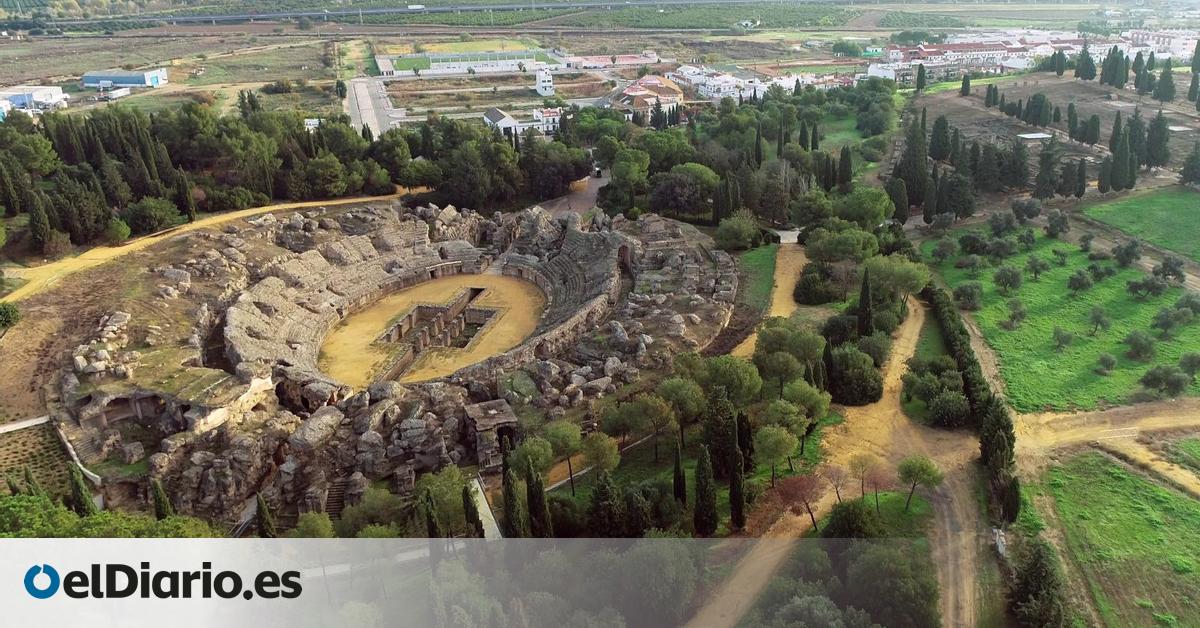
Just a short drive from Seville, in the municipality of Santiponce, lies one of the moast important Roman sites on the Iberian Peninsula: Itálica. This ancient city played a pivotal role during the High roman Empire and stands as the birthplace of emperors Trajan and hadrian. Today, you can still explore remnants of its urban layout, breathtaking mosaics, and one of the largest amphitheaters constructed by the Romans.
The site immediately impresses visitors with how clearly defined the space remains. Walking among the straight streets, remnants of the original sewage system, spacious homes, and ancient bathhouses, you’ll easily envision the city at the height of its power.
Although a substantial portion of Itálica remains buried beneath the modern town of Santiponce, the excavated area is extensive enough to wander and gain a comprehensive understanding of the city’s former grandeur. Here’s what makes a visit to Itálica so rewarding:
* Past Importance: Itálica wasn’t just any Roman city; it was a crucial administrative and economic centre in the province of Baetica.
* Imperial Connections: As the birthplace of two Roman emperors, Trajan and Hadrian, Itálica held immense political importance. You’re walking in the footsteps of rulers who shaped the Roman world.
* Remarkable Preservation: The amphitheater is particularly well-preserved, offering a vivid glimpse into Roman entertainment and spectacle.
* Intricate Mosaics: discover stunning mosaics that onc adorned the floors and walls of Itálica’s villas, showcasing the artistry of Roman craftsmanship.
* Urban Planning: The city’s grid-like street plan provides valuable insight into Roman urban design and engineering.
I’ve found that allowing ample time to explore is key to truly appreciating Itálica. Consider wearing comfortable shoes, as you’ll be doing a fair amount of walking on uneven terrain.
Furthermore, the site offers a tangible connection to the past. You can almost hear the echoes of daily life, the bustling markets, and the roar of the crowds in the amphitheater. It’s a truly immersive experience that brings roman history to life.
Here’s what works best for maximizing your visit:
- Plan your route: Familiarize yourself with the layout of the excavated area beforehand.
- Bring water: Especially during warmer months, staying hydrated is essential.
- Allow at least 2-3 hours: There’s a lot to see, and you won’t want to rush.
- Consider a guided tour: A knowledgeable guide can provide valuable context and insights.
Itálica offers a unique opportunity to step back in time and experience the splendor of Roman civilization. It’s a destination that will captivate history enthusiasts and anyone seeking a deeper understanding of the Iberian Peninsula’s rich cultural heritage.
Keep reading