Italian Industry Leader Calls for Energy Speculation Halt Amidst Global Uncertainty
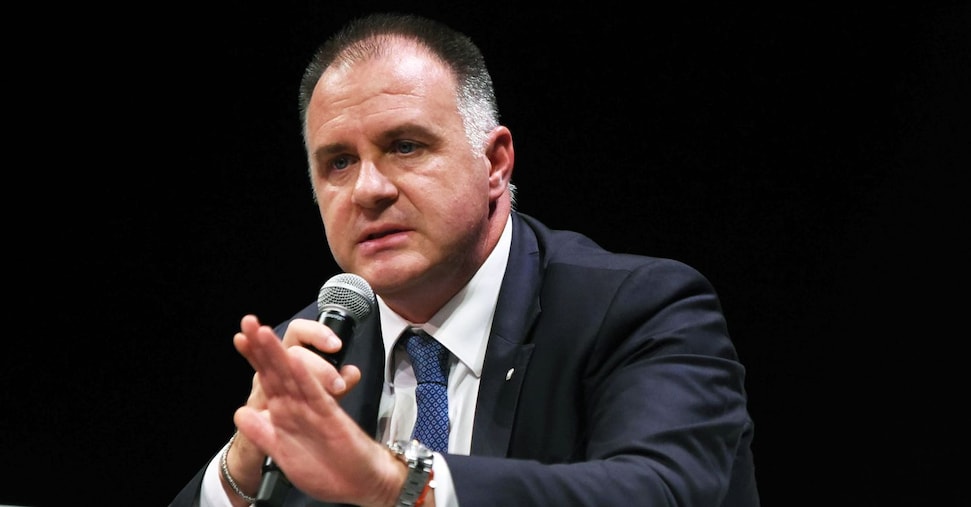
Rome, Italy – As geopolitical tensions continue to escalate and energy markets remain volatile, Emanuele Orsini, President of Confindustria, Italy’s leading industrial association, has issued a strong call for immediate action to curb financial speculation on energy. Speaking on the La 7 program “L’aria che tira,” Orsini warned that unchecked speculation is “drugging the markets” and placing undue strain on both Italian and European businesses. This appeal comes as concerns mount over the economic fallout from ongoing conflicts and their impact on crucial trade routes and energy supplies. The situation is particularly acute given Italy’s reliance on imported energy and its vulnerability to price fluctuations. Orsini’s remarks underscore a growing anxiety within the European industrial sector regarding the sustainability of current economic conditions and the demand for coordinated policy responses.
The escalating conflict in the Middle East is a primary driver of these concerns. Orsini highlighted the significance of Gulf countries as a key trading partner for Italy, with a bilateral exchange totaling 32 billion euros, resulting in a positive trade balance of 11 billion euros. Emanuele Orsini, who assumed the presidency of Confindustria in May 2024, emphasized that any disruption to trade, such as a potential blockade of the Strait of Hormuz, could add 15 days to shipping times, creating a prolonged ripple effect throughout the supply chain. This potential disruption adds to existing anxieties surrounding tariffs and overall energy price instability, creating a complex and challenging economic landscape for Italian businesses.
Rising Energy Costs and the Need for Government Intervention
The immediate concern, according to Orsini, is the rapid increase in energy costs. He noted a significant jump in energy prices from 107 euros per MWh on Friday, March 5th, to 151 euros per MWh on March 6th, 2026. This surge is impacting both businesses and households, exacerbating inflationary pressures and threatening economic competitiveness. Orsini urged swift action on the implementation of a “decreto bollette” – a decree aimed at mitigating energy costs – arguing that the current measures are insufficient to bring Italy in line with countries like France and Spain, which enjoy more competitive energy prices within Europe. The urgency stems from the potential for further price increases and the need to protect Italian industries from being priced out of the global market.
The call for a “decreto bollette” reflects broader concerns about the European Union’s energy policy and the need for a more unified approach. Orsini argued that Europe “must wake up” and grab immediate action, specifically referencing the need to revise the Emissions Trading System (ETS). The ETS, a cornerstone of the EU’s climate policy, puts a price on carbon emissions, but critics argue it can contribute to higher energy costs. Orsini believes that a more comprehensive strategy is needed, encompassing a single European energy market, a functioning capital market, and a unified defense policy. He also stressed the importance of “technological neutrality,” suggesting that the EU should avoid favoring specific technologies and instead allow for a diverse range of solutions to address energy challenges.
Fiscal Stability and the Need for European Solidarity
Orsini also addressed the issue of fiscal stability, acknowledging that exceeding the limits of the Stability Pact may be necessary in the current circumstances. He pointed to Germany’s allocation of 26 billion euros to address energy costs and France’s price controls, setting a price cap of 70 euros per MWh, as examples of proactive measures taken by other European nations. Yet, he cautioned that Italy lacks the financial capacity to implement similar measures without jeopardizing its economic stability. As President of Confindustria, Orsini emphasized the need to safeguard Italian businesses and workers, recognizing that the health of the Italian economy is inextricably linked to the well-being of its workforce. He highlighted that 250,000 Italian companies employing over 10 people account for 83% of the nation’s welfare system, underscoring the critical role of the private sector in maintaining social stability.
The discussion also touched upon the uncertainty surrounding tariffs, particularly those imposed by the United States. Orsini expressed concern over potential tariffs on Italian exports to the US, Italy’s primary extra-European market. He stated that Italian businesses are already experiencing a decline in orders due to this uncertainty, awaiting clarification on the terms of an Executive Order from the US government. To mitigate this risk, Orsini advocated for the diversification of export markets, highlighting the potential of agreements like the Mercosur trade deal, which he believes could be worth 14 billion euros, as well as increased trade with India, Japan, and Canada. Italy’s total exports currently stand at 626 billion euros, with a positive trade balance of 100 billion euros, making export growth vital to the nation’s economic health.
The Broader Economic Context and the Role of Confindustria
Orsini’s statements come at a time of heightened global economic uncertainty. The combination of geopolitical instability, rising energy prices, and trade tensions is creating a challenging environment for businesses worldwide. Confindustria, representing over 150,000 companies across various sectors, plays a crucial role in advocating for the interests of Italian industry and promoting economic growth. Founded in 1910, the organization serves as a key interlocutor between businesses, government, and labor unions, providing a platform for dialogue and collaboration. Emanuele Orsini’s leadership is focused on enhancing Italy’s competitiveness, fostering innovation, and promoting sustainable development.
The current situation demands a coordinated response from both national governments and international organizations. The European Union, in particular, has a critical role to play in addressing the energy crisis, mitigating the impact of trade tensions, and ensuring a level playing field for businesses across member states. Orsini’s call for a single European energy market, a functioning capital market, and a unified defense policy reflects a broader vision for a more integrated and resilient Europe. The success of these efforts will depend on the willingness of member states to prioritize collective interests and overcome national divisions.
Key Takeaways
- Energy Speculation Concerns: Confindustria President Emanuele Orsini has warned against financial speculation driving up energy prices, impacting Italian and European businesses.
- Urgent Government Action Needed: Orsini is calling for the swift implementation of a “decreto bollette” to mitigate energy costs and enhance competitiveness.
- European Collaboration is Crucial: He emphasizes the need for a unified European approach to energy policy, including revising the ETS and creating a single energy market.
- Trade Diversification: Orsini advocates for diversifying export markets to reduce reliance on the US and capitalize on opportunities in Mercosur, India, Japan, and Canada.
Looking ahead, the coming weeks will be critical in determining the trajectory of the European economy. The implementation of the “decreto bollette” in Italy, the response from the US government regarding tariffs, and the progress towards a more unified European energy policy will all be key factors to watch. The next official update on the EU’s ETS review is expected in late March 2026, and will provide further clarity on the potential for reforms. We encourage readers to share their thoughts and perspectives on these important issues in the comments below.