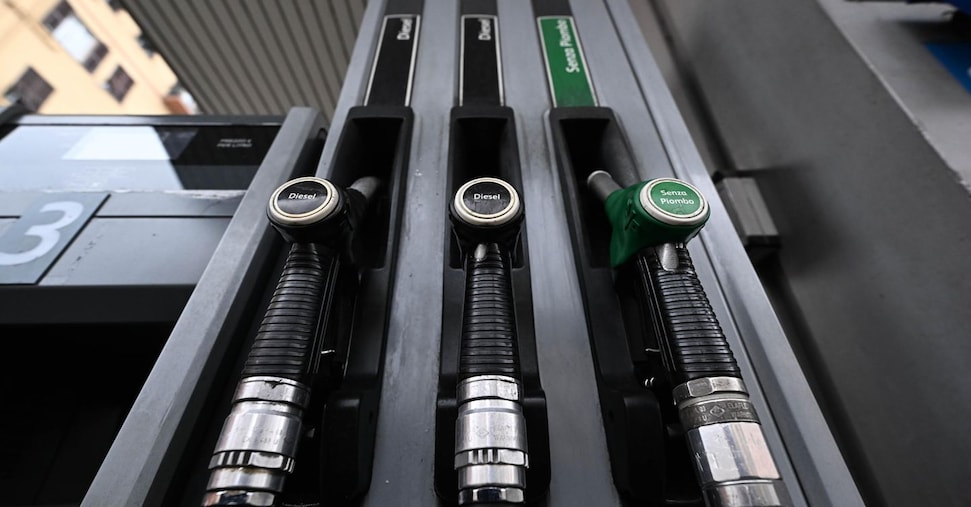
Rome, Italy – In a move aimed at easing the financial strain on Italian citizens grappling with rising fuel costs, President Sergio Mattarella has signed into law a decree cutting excise taxes on gasoline and diesel. The measure, announced Thursday, will reduce the cost of fuel by 25 cents per liter for a period of 20 days, a decision championed by Prime Minister Giorgia Meloni as a direct response to the ongoing energy crisis. The decree, which allocates approximately €500 million ($545 million USD) to the initiative, too includes provisions to support the transportation and fishing industries and to combat price speculation.
The escalating price of fuel has become a significant concern for households and businesses across Italy, exacerbated by geopolitical instability and supply chain disruptions. The Italian government’s intervention comes as other European nations also grapple with similar challenges, seeking ways to mitigate the impact of high energy prices on their economies. Meloni’s administration has faced increasing pressure to address the issue, with opposition parties calling for more substantial and long-term solutions. This immediate action, however, represents a tangible effort to provide relief to consumers ahead of upcoming regional elections.
Decree Details: A 25-Cent Reduction and Broader Support
The core component of the decree is the reduction of excise duties on both gasoline and diesel fuel by 25 cents per liter. This reduction will be automatically reflected in lower prices at the pump, and is coupled with a corresponding decrease in Value Added Tax (VAT) on fuel purchases. According to the decree, this measure is intended to benefit all consumers, rather than being targeted solely at vulnerable groups. The government anticipates that the tax cut will provide significant savings for drivers and help to curb inflationary pressures.
Beyond the fuel tax cut, the decree also includes measures designed to support key sectors of the Italian economy. Specifically, it extends tax credits for freight transporters and expands their availability to the fishing industry, providing a 20% credit. This aims to alleviate the burden of high fuel costs on these industries, which are vital for the transportation of goods and the supply of seafood. The decree strengthens the powers of “Mr. Prices” – the government official responsible for monitoring and preventing price gouging – granting them increased authority to investigate and penalize suppliers and gas station owners who engage in speculative practices. La Settimana TV reports that the government is determined to prevent businesses from exploiting the crisis to inflate prices.
Political Context and Rapid Implementation
The speed with which the decree was approved and implemented underscores the government’s commitment to addressing the fuel price crisis. The Council of Ministers convened for an evening session to finalize the legislation, and it was swiftly signed into law by President Mattarella. This rapid response was partly driven by political considerations, as the government seeks to demonstrate its responsiveness to the concerns of Italian citizens. According to La Regione, the opposition Democratic Party (PD) has criticized the move as an election tactic, suggesting it is timed to influence voters ahead of regional elections.
Prior to the official announcement, Deputy Prime Minister Matteo Salvini hinted at the impending tax cut, while Prime Minister Meloni confirmed the intervention through a statement on TG1 television and via her social media channels. Meloni emphasized the government’s resolve to protect Italian consumers from price speculation and to ensure that the benefits of the tax cut are fully passed on to the public. The government has pledged to closely monitor the situation and to seize further action if necessary to stabilize fuel prices.
Concerns Over Speculation and Market Impact
A key focus of the decree is to prevent price speculation and ensure that the tax cut translates into genuine savings for consumers. The strengthened powers granted to “Mr. Prices” are intended to deter businesses from exploiting the crisis to inflate prices. The government has warned that it will not tolerate any attempts to profit from the situation and will take swift action against those who engage in unfair practices. Sky TG24 reports that the decree also includes provisions for increased inspections and stricter penalties for those found to be engaging in price gouging.
However, some analysts have expressed concerns about the potential impact of the tax cut on government revenues and the long-term sustainability of the measure. The €500 million cost of the initiative will need to be offset by other budgetary adjustments, and there is a risk that the tax cut could incentivize increased fuel consumption. The effectiveness of the decree will depend on global oil prices and the broader geopolitical situation. If oil prices continue to rise, the impact of the tax cut could be diminished.
Broader Economic Implications and European Context
The Italian government’s decision to cut fuel taxes is part of a broader trend among European nations seeking to address the energy crisis. Several countries, including Germany, France, and Spain, have implemented similar measures to provide relief to consumers and businesses. The crisis has highlighted the vulnerability of European economies to fluctuations in global energy markets and the need for greater energy independence. The European Union is currently working on a range of initiatives to diversify energy supplies, promote energy efficiency, and accelerate the transition to renewable energy sources.
The Italian decree also comes at a time of heightened geopolitical tensions, particularly in the Middle East. The ongoing conflict in Iran has raised concerns about potential disruptions to oil supplies, which could further drive up prices. The Italian government is closely monitoring the situation and is prepared to take further action if necessary to protect its energy security. The decree’s provisions to support the transportation and fishing industries are particularly important as these sectors are heavily reliant on fuel and are vulnerable to price shocks.
Impact on Transportation and Fishing Industries
The extension of tax credits to freight transporters and the fishing industry is expected to provide significant relief to these sectors, which have been particularly hard hit by rising fuel costs. The transportation industry is essential for the movement of goods across Italy and throughout Europe, and high fuel prices can significantly increase the cost of transportation. The fishing industry is also heavily reliant on fuel for its operations, and rising prices can threaten the viability of fishing businesses. The decree’s provisions are intended to help these industries remain competitive and to ensure the continued supply of essential goods and services.
The 20% tax credit for the fishing industry is a particularly welcome development for fishermen, who have been struggling to cope with rising fuel costs and declining catches. The credit will help to offset the cost of fuel and allow fishermen to continue operating their businesses. The extension of tax credits to freight transporters will also help to reduce the cost of transportation and to maintain goods moving efficiently.
The decree’s implementation is expected to be closely monitored by both the government and industry stakeholders. The government will be assessing the impact of the tax cut on fuel prices and consumer behavior, while industry groups will be evaluating the effectiveness of the support measures for the transportation and fishing sectors. The government has indicated that it is prepared to take further action if necessary to address any unforeseen consequences of the decree.
Looking ahead, the Italian government is expected to continue to prioritize energy security and affordability. The country is heavily reliant on imported energy, and the government is committed to diversifying its energy sources and reducing its dependence on foreign suppliers. The government is also investing in renewable energy technologies and promoting energy efficiency measures to reduce overall energy consumption. The fuel tax cut is just one component of a broader strategy to address the energy crisis and to ensure a sustainable energy future for Italy.
The next key development will be the assessment of the decree’s impact after the initial 20-day period. The government will then decide whether to extend the measure or to implement alternative policies to address the ongoing challenges in the energy market. Citizens are encouraged to share their experiences and feedback on the impact of the fuel tax cut through official government channels.