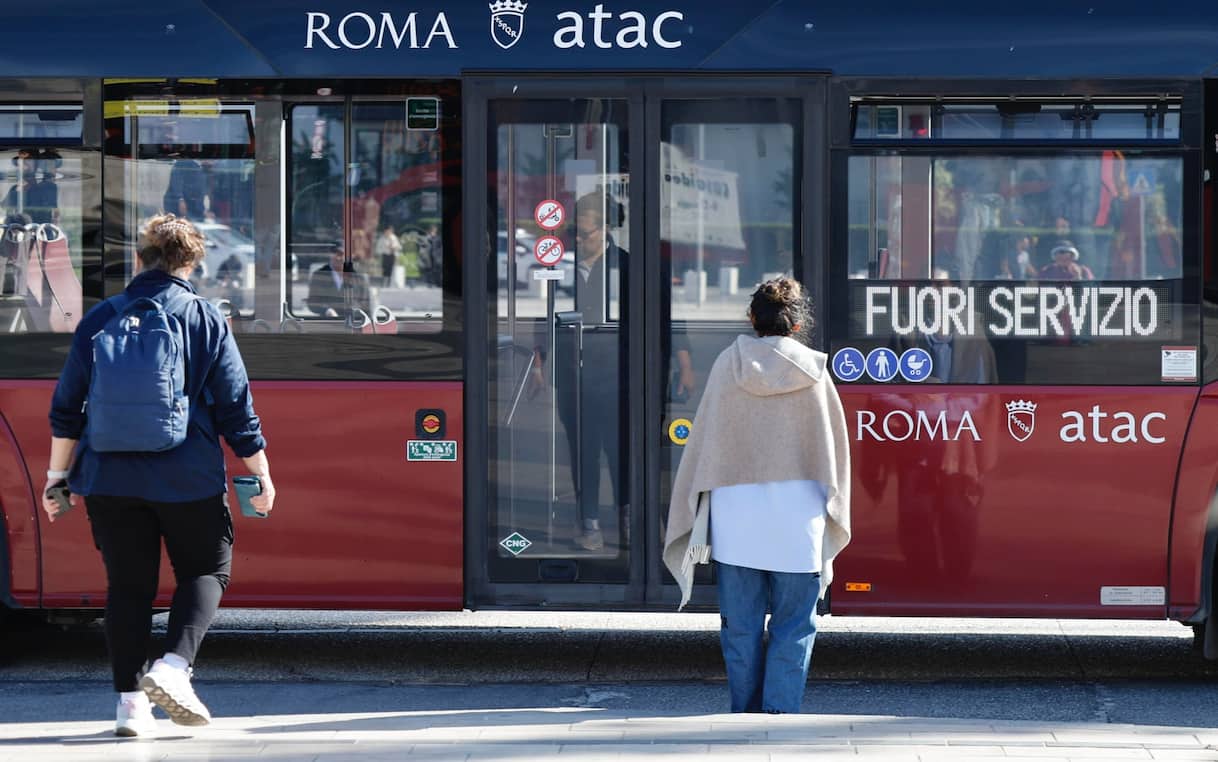
Italy is bracing for significant logistical challenges as a nationwide general strike, or sciopero generale, disrupts essential services across the country. Labor unions have called for a broad-based mobilization, impacting various sectors including public transportation, national rail networks, education, and healthcare. For residents and travelers alike, the industrial action serves as a stark reminder of the complexities inherent in Italy’s labor relations landscape, often resulting in widespread service reductions on key dates.
As the Editor at World Today Journal, I have spent over 16 years tracking international labor movements and political developments. While industrial action is a constitutionally protected right in Italy under Article 40 of the Italian Constitution, the scale of this particular mobilization requires careful planning for those navigating the country’s infrastructure. With major cities like Rome and Milan reporting varying levels of service, understanding the scope of these disruptions is essential for maintaining mobility and access to public services.
Understanding the Scope of the General Strike
The current industrial action, often referred to as a “black Friday” by local media due to its timing ahead of holiday weekends, involves multiple labor organizations. These strikes are typically organized to protest government economic policies, demand better working conditions, or address wage stagnation. In Italy, the Ministry of Infrastructure and Transport maintains a public database of scheduled strikes, which serves as the most reliable resource for commuters seeking to verify specific service guarantees.

The impact is rarely uniform. In metropolitan hubs, the situation often fluctuates based on local union adherence and the specific collective bargaining agreements in place for municipal transit companies. For instance, while some subway lines may face total closure, others might operate with reduced frequency or limited hours to ensure minimum service levels during peak transit times, as mandated by Italian law regarding essential services.
Regional Impact: Rome, Milan, and Beyond
The disruption is felt most acutely in the capital. In Rome, the public transit network—managed by ATAC—frequently faces 24-hour windows of uncertainty during these mobilizations. Travelers are advised to monitor official bulletins for real-time updates on metro, tram, and bus routes. The complexity of the transit grid in Rome means that even a partial strike can lead to significant delays across the city’s primary arteries.
Conversely, the situation in northern industrial centers like Milan often follows a different trajectory. Due to the specific organizational structure of the local transport authority, it is not uncommon for underground lines to remain operational, albeit with potential frequency reductions. Meanwhile, in cities like Turin, strike actions often extend beyond transport to include industrial sectors, which can occasionally lead to protests near major manufacturing or defense-sector facilities. These localized demonstrations are closely monitored by local law enforcement to ensure public safety and minimize traffic congestion.
Key Takeaways for Travelers and Residents
- Check Official Channels: Always consult the Ministry of Infrastructure and Transport portal for the most accurate, government-verified strike schedules.
- Minimum Service Guarantees: Italian law mandates that “fasce di garanzia” (guaranteed windows) remain operational during most public transport strikes, typically during morning and evening rush hours.
- Education and Healthcare: Essential services in hospitals are guaranteed, though non-urgent appointments and elective procedures may be postponed. Schools may also face closures, depending on teacher participation rates.
- Rail Travel: Trenitalia and Italo provide status updates on their respective websites. If your train is canceled due to a strike, you are generally entitled to a refund or rebooking options as per European passenger rights regulations.
The Role of Industrial Action in Italian Policy
To understand why these strikes happen, one must look at the broader context of Italian political and economic dialogue. General strikes are often the culmination of failed negotiations between the government and the major trade unions—such as the CGIL, CISL, and UIL. These organizations play a pivotal role in shaping the national conversation on fiscal policy, pension reform, and labor rights. When these negotiations stall, labor unions often utilize the strike as a mechanism to exert pressure on the legislative agenda.
From an investigative perspective, the frequency of these strikes reflects the intense push-and-pull between the executive branch and the labor force. As the government attempts to balance budgetary constraints with social welfare demands, the labor unions argue that the burden of economic reform should not fall disproportionately on the working class. This dynamic is a recurring theme in European labor politics, yet it is uniquely pronounced in the Italian context due to the historical strength of its union movements.
Next Steps and Staying Informed
As we look toward the coming weeks, the next major checkpoint for labor relations will be the ongoing discussions regarding the national budget and sector-specific collective bargaining renewals. Government officials are expected to release further statements following the conclusion of this round of industrial action. For those currently in Italy or planning travel, I strongly recommend downloading the official apps of your local transit providers, as these often provide the most immediate notifications regarding service disruptions.
We will continue to monitor the situation as it evolves. If you have questions regarding your travel plans or need clarification on specific labor regulations, please feel free to share your thoughts in the comments section below. Your insights and experiences help provide a more comprehensive picture of how these nationwide events impact the global community.
Related reading