The Dark Side of Italian Luxury: Exploitation in the Fashion Supply Chain
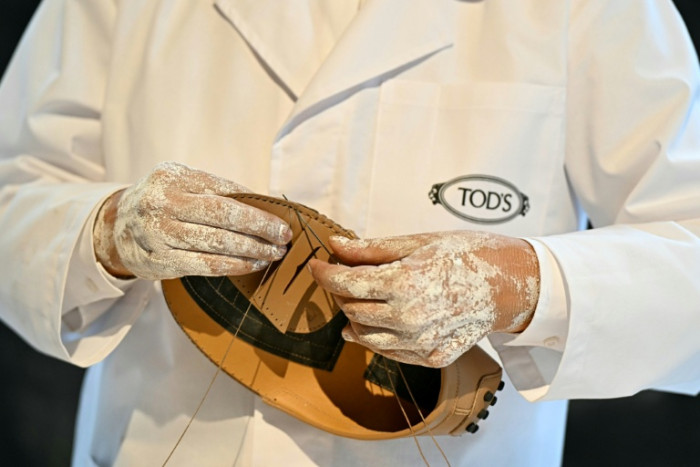
For decades, “Made in Italy” has been synonymous with unparalleled craftsmanship, exquisite quality, and timeless style. But a series of recent investigations are shattering that carefully cultivated image, revealing a disturbing reality of labor exploitation hidden within the supply chains of some of the world’s most prestigious luxury brands. From Tod’s to Dior, Giorgio Armani, and Loro piana, Italian prosecutors are uncovering systemic abuses, raising serious questions about the ethical foundations of an industry built on exclusivity and aspiration.
A System Rife with Abuse
The investigations paint a grim picture: Chinese subcontractors working for shockingly low wages - as little as €2.75 per hour – enduring excessive working hours, unsafe conditions, and degrading living arrangements. Crucially, prosecutors allege that companies like Tod’s were fully aware of these abuses, evidenced by internal audits detailing violations, yet failed to implement preventative measures. This isn’t a case of isolated incidents; it’s a pattern of negligence fueled by a relentless pursuit of profit and a complex network of subcontracting.
Italian law holds companies accountable for the actions of their approved suppliers,meaning brands can be held liable for labor offenses committed in their name. However, the current system allows for a deeply problematic dynamic. Luxury brands, driven by the need to maintain high margins, impose increasingly stringent and often unrealistic commercial terms on their suppliers. These suppliers, predominantly small- and medium-sized enterprises (SMEs), are squeezed financially, lacking the resources to invest in ethical practices or guarantee consistent work.
“Suppliers are at the mercy of big brands that impose commercial conditions, starting with prices that are too low to cover all costs,” explains Deborah Lucchetti, national coordinator of the Clean Clothes Campaign in Italy. This pressure forces them to rely on a cascade of subcontractors, each layer further exacerbating the exploitation, notably targeting vulnerable migrant workers.As Lucchetti succinctly puts it, “It’s a chain of exploitation.”
The Shrinking Italian Supplier Base & The Rise of Subcontracting
The situation is further compounded by a dramatic decline in the number of italian fashion suppliers. Tens of thousands have closed in recent years, victims of a luxury market slowdown and rising production costs. This shrinking base intensifies the pressure on remaining suppliers, making them even more reliant on subcontracting to fulfill large orders quickly. This reliance, in turn, creates a breeding ground for illegal practices.
The brazenness of the exploitation is highlighted by the case of Tod’s and Loro Piana‘s supplier, who prosecutors discovered lacked any production equipment – no sewing machines, no cutting tables – despite being a key link in the supply chain. This blatant lack of infrastructure should have been a clear red flag, yet went unnoticed, or ignored, by the luxury brands.
Goverment Response & the Illusion of Control
the Italian government, facing a potential crisis of reputation, has responded with a proposed “certificate” for luxury companies demonstrating compliance with existing laws.However, this measure has been widely criticized as a superficial fix. Its voluntary nature and failure to impose meaningful liability on brands render it largely toothless. industry Minister Adolfo Urso insists the government is “firmly defend[ing] Italian fashion,” but critics argue the proposed certificate is more about damage control than genuine reform.
prada’s Stand & the Path Forward
Amidst the growing scrutiny, some brands are attempting to distance themselves from the scandal.Prada, such as, recently opened its Scandicci factory to journalists, showcasing its in-house production processes. Lorenzo Bertelli, Prada’s Chief Marketing Officer and head of social duty, emphasized that production is not an afterthought for the company, contrasting their approach with competitors who seemingly view it as an area devoid of responsibility.
prada boasts owning 25 factories, 23 of which are located in Italy, and claims to have the highest proportion of in-house production in the industry. Bertelli acknowledges the “constant battle” to maintain a clean supply chain, emphasizing the need for continuous inspections and checks.
Though, Prada’s commitment, while commendable, doesn’t address the systemic issues plaguing the wider industry. True change requires a essential shift in power dynamics. Luxury brands must prioritize ethical sourcing, invest in supplier growth, and accept responsibility for the conditions throughout their entire supply chain – not just within their directly owned facilities.
What needs to Happen:
* Mandatory Due Diligence: Legislation requiring brands to conduct thorough and ongoing due diligence on their entire supply chain, including subcontractors.
* Living Wages & Safe Working conditions: Enforcement of fair
Keep reading