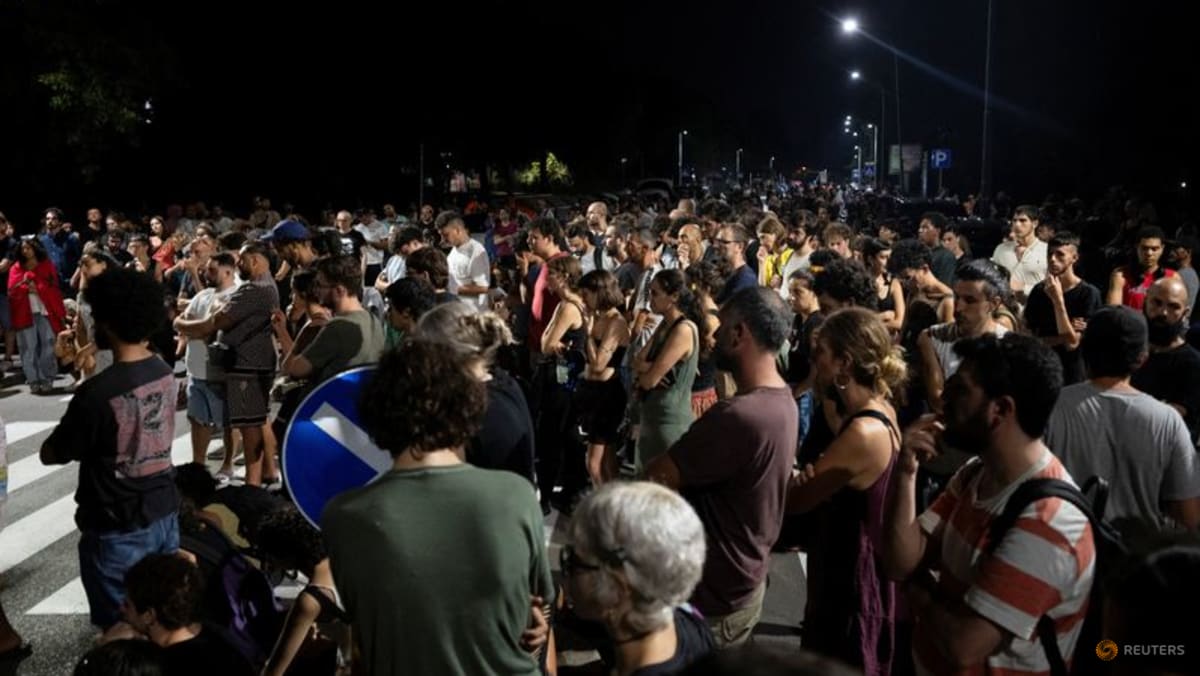
Protests erupted in several Italian cities this week following the death of a man during a police arrest, sparking a national debate over law enforcement conduct and the use of force. Demonstrators gathered in major urban centers to demand transparency regarding the circumstances of the incident, which occurred during a routine patrol operation that escalated into a fatal confrontation.
Authorities have confirmed that an internal investigation is currently underway to determine whether standard operating procedures were followed during the encounter. According to the Italian Ministry of the Interior, the incident is being reviewed by the public prosecutor’s office in the jurisdiction where the arrest took place, with forensic experts assigned to conduct a comprehensive autopsy. While police officials maintain that the officers acted in accordance with the law, family members of the deceased have publicly called for a transparent inquiry into the cause of death.
Investigation into the Fatal Encounter
The incident, which took place on Tuesday, has drawn scrutiny from civil rights organizations and local officials. According to reports from the local Carabinieri command, officers were responding to a disturbance call when they attempted to detain the individual. During the struggle, the man lost consciousness and was subsequently pronounced dead by emergency medical personnel who arrived at the scene shortly thereafter. The exact cause of death has not been released, with officials awaiting the results of a toxicology report and a full post-mortem examination, as mandated by Italian criminal procedure code under Article 360.
Legal experts note that the case is being handled under the oversight of the regional prosecutor, who has opened a preliminary investigation into potential charges of manslaughter. This legal process is standard for deaths occurring in police custody, ensuring that evidence collection—including body-worn camera footage, if available, and witness statements—is preserved for potential judicial review. The Ministry of Justice has emphasized that the judiciary remains independent, and the findings of the investigation will be made public once the evidentiary phase is concluded.
Public Reaction and Street Protests
In the days following the event, spontaneous protests emerged in Rome, Milan, and Naples. Participants marched to local police headquarters, carrying signs calling for accountability and an end to perceived excessive force. The protests remained largely peaceful, though local law enforcement maintained a visible presence to manage crowd control and ensure the security of public buildings. According to data provided by the Italian national police, or Polizia di Stato, these gatherings involved several hundred individuals across the affected cities, with no major reports of violence or significant property damage.
The scale of the protests reflects broader societal concerns regarding the relationship between the state and its citizens. Activist groups have utilized social media platforms to organize these demonstrations, emphasizing the need for systemic reform in how officers are trained to de-escalate volatile situations. In response to the unrest, local government representatives have urged calm, stating that the legal process must be allowed to proceed without external pressure to ensure a fair outcome for all parties involved.
Legal Framework and Police Oversight
Italy’s approach to investigating deaths in custody is governed by strict regulations designed to ensure impartial oversight. The current investigation is being conducted by prosecutors who are entirely separate from the law enforcement agencies involved in the arrest. This separation of powers is a foundational element of the Italian legal system, intended to prevent conflicts of interest and maintain public trust in judicial outcomes. According to the European Court of Human Rights, which has previously issued rulings on the necessity of effective investigations into state-involved deaths, Italy is required to provide a rigorous and independent accounting of such events.
The next major milestone in this case will be the filing of the formal forensic report, which is expected to be delivered to the prosecutor’s office within the coming weeks. Once this document is submitted, the prosecutor will decide whether to pursue criminal charges against the officers involved or to close the case if no evidence of misconduct is found. This procedural timeline is standard for complex investigations involving state actors. The government has committed to providing regular updates as the investigation progresses, and interested parties can follow official announcements through the Ministry of Justice’s public portal.
We will continue to monitor the prosecutor’s findings and provide updates as they become available. Readers are encouraged to share their thoughts on the balance between public safety and civil rights in the comments section below.
Worth a look