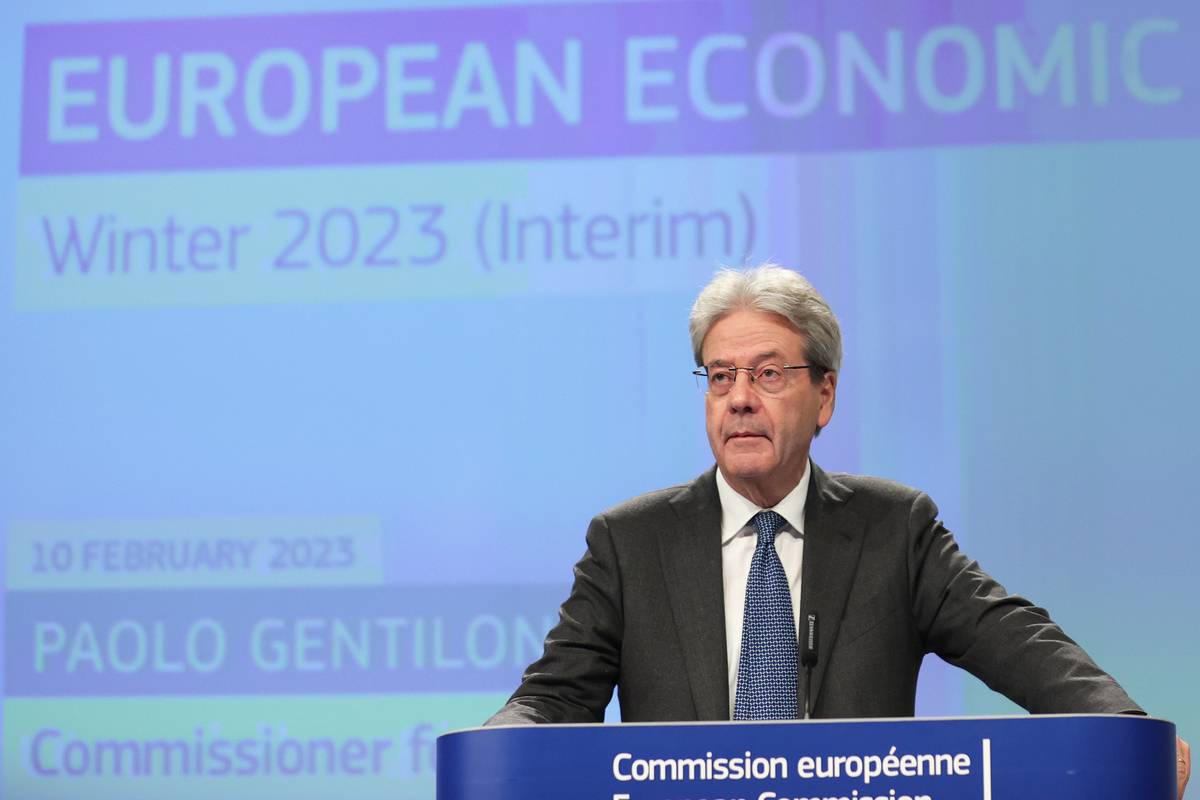
Paolo Gentiloni, the European Commissioner for Economy, has warned that Italy cannot simultaneously maintain its commitment to European Union interests and align with the policies of a potential second Donald Trump administration. Gentiloni stated that the conflicting priorities of “America First” and European multilateralism create a strategic dilemma for Rome, suggesting that the two paths are fundamentally incompatible.
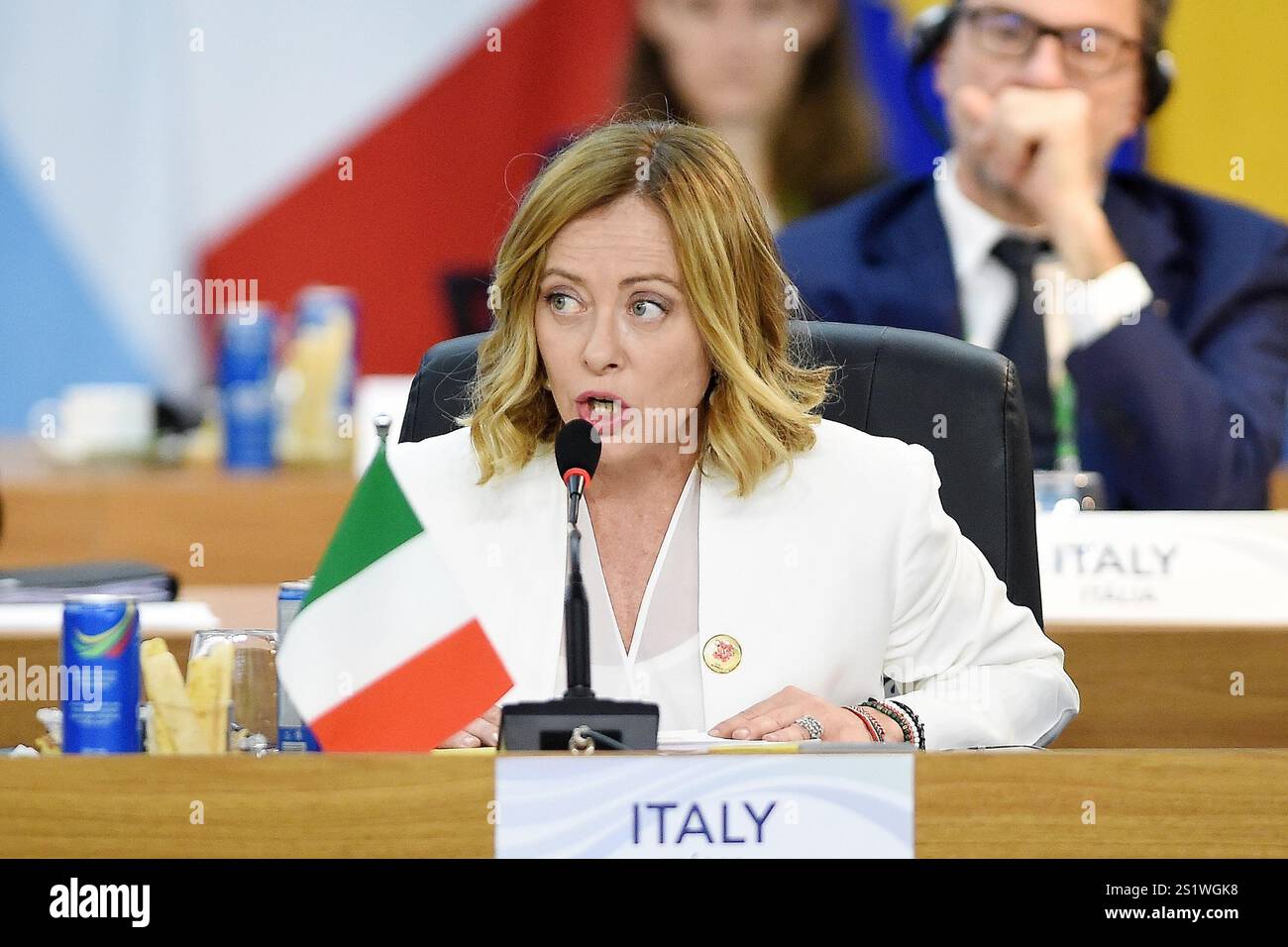
The warning comes as the Italian government navigates complex geopolitical shifts and internal political pressures. Gentiloni, a former Italian Prime Minister, emphasized that the current trajectory of international relations may force European nations to choose between their regional alliances and a transactional relationship with a resurgent United States. This tension places Prime Minister Giorgia Meloni’s administration in a difficult position as it seeks to balance domestic political stability with international credibility.
Diplomatic observers note that Italy’s foreign policy appears to be experiencing a period of hesitation. This “braking” effect, as described by political analysts, stems from a combination of internal coalition dynamics and the uncertainty surrounding the upcoming United States presidential election. The Meloni government must manage a right-wing majority that often views transatlantic relations through a different lens than the traditional Europeanist consensus.
Why Gentiloni views the EU-Trump dynamic as a binary choice
Gentiloni’s assertion rests on the fundamental divergence in policy objectives between the European Union and the platform championed by Donald Trump. According to the European Commissioner, the EU operates on a framework of multilateralism, collective security, and integrated economic regulation. In contrast, a second Trump administration is widely expected to prioritize unilateralism, protectionist trade policies, and a reassessment of NATO obligations.

The core of this conflict lies in several key policy areas:
- Trade and Tariffs: The Trump campaign has frequently proposed aggressive tariff structures to protect domestic US industries. Such measures directly contradict the EU’s commitment to open markets and could trigger retaliatory trade wars that would disproportionately affect export-heavy economies like Italy.
- Defense and NATO: The “America First” doctrine often questions the value of collective defense spending. This creates uncertainty for European nations that rely on the NATO umbrella for security, particularly in the context of the ongoing conflict in Ukraine.
- Climate and Energy: The EU’s Green Deal and its transition toward renewable energy represent a long-term structural shift. A return to more fossil-fuel-centric US policies could create a regulatory and economic rift between the two powers.
Gentiloni suggests that attempting to please both sides is not a sustainable strategy. If Italy follows a path that accommodates US protectionism, it risks undermining the cohesion of the European Single Market. Conversely, strict adherence to EU policy could lead to friction with a US administration that views multilateral agreements as constraints on American sovereignty.
How the Meloni government is navigating domestic pressures
The Italian government faces a distinct challenge in reconciling its international obligations with the demands of its domestic political base. Prime Minister Giorgia Meloni leads a coalition that includes the Brothers of Italy (Fratelli d’Italia), the League (Lega), and Forza Italia. While the coalition has maintained a relatively unified front on several issues, the nuances of foreign policy often expose internal fractures.
Internal dynamics within the majority are reportedly influencing Rome’s diplomatic pace. Some members of the coalition favor a more nationalist approach that emphasizes sovereignty and skepticism toward Brussels. This domestic pressure can lead to a perceived hesitation in Italy’s foreign policy, as the government attempts to satisfy both its right-wing constituents and its international partners in the EU and NATO.
This balancing act is particularly sensitive regarding the budget and economic policy. As the Commissioner for Economy, Gentiloni is acutely aware of how trade tensions and shifts in US policy could impact Italy’s fiscal stability. The Meloni administration must ensure that its foreign policy decisions do not inadvertently trigger economic volatility that could destabilize the domestic political landscape.
Comparing EU Multilateralism and Trump’s “America First”
To understand the scale of the dilemma Gentiloni describes, it is useful to contrast the two primary geopolitical frameworks currently in competition. The following table outlines the fundamental differences in approach that characterize this tension.
| Policy Area | EU Multilateralism Approach | Trump “America First” Approach |
|---|---|---|
| Trade Policy | Focus on open markets and shared regulatory standards. | Emphasis on protectionism and high tariffs. |
| International Alliances | Strengthening collective security (NATO, EU). | Transactionalism and questioning alliance costs. |
| Global Governance | Support for international institutions and treaties. | Prioritizing national sovereignty over global pacts. |
| Climate Strategy | Integrated, long-term decarbonization goals. | Prioritization of domestic energy production. |
The broader implications for Italy’s role in Europe
Italy’s ability to navigate this period will likely determine its influence within the European Union for the remainder of the decade. If Rome is perceived as being indecisive or overly focused on domestic coalition management, its capacity to lead on EU-wide initiatives may diminish. The European Commission and other major powers, such as France and Germany, require reliable partners to maintain a unified front in global negotiations.
Furthermore, the economic implications for Italy are significant. An economy that is deeply integrated into the European market cannot afford to be caught in the crossfire of a US-EU trade dispute. Gentiloni’s comments serve as a reminder that economic policy and foreign policy are increasingly inseparable. For Italy, the choice is not merely about diplomatic alignment but about safeguarding the economic structures that support its national stability.
The “braking” in Italy’s foreign policy may also reflect a broader European trend. Many EU member states are currently reassessing their strategic autonomy—the ability of Europe to act independently in a world where the US and China are increasingly polarized. Italy’s challenge is to contribute to this autonomy without alienating its most important security partner, the United States.
As the political landscape continues to shift, the Meloni government will need to provide clearer signals to both Brussels and Washington. The ambiguity that currently characterizes much of Rome’s external stance may become increasingly difficult to maintain as major election cycles approach in both Europe and the United States.
The next major checkpoint for this geopolitical tension will be the results of the 2024 United States presidential election, which will provide clarity on the direction of American foreign policy. Following that, the upcoming European Council summits will determine how the EU intends to consolidate its position in response to shifting transatlantic dynamics.
What do you think about Italy’s position in the EU-US tension? Share your thoughts in the comments below and share this article with your network.
Keep reading