
Italy’s Eurovision 2026 Hope: Sal Da Vinci’s Ballad, Legacy and the Quest for a Third Victory
With the Eurovision Song Contest 2026 looming on the horizon, Italy is banking on a veteran to reclaim its place at the top of the podium. Sal Da Vinci, a 57-year-old Neapolitan artist with a career spanning over four decades, has been chosen to represent Italy in the upcoming competition. His entry, the soulful ballad Rossetto e Caffè, has already amassed over 450 million streams globally, making it one of Italy’s most successful songs of recent years. But can Da Vinci deliver the third victory for Italy in the contest’s 70-year history?
Italy’s Eurovision journey has been marked by triumphs and near-misses. The country last won in 2021 when Måneskin’s explosive rock performance captivated Europe, and just one year ago, Italy secured fifth place—a strong showing that set the stage for Da Vinci’s campaign. Now, with the contest scheduled for May 13, 2026, all eyes are on whether the veteran artist can turn his decades of experience into a historic win.
Da Vinci’s path to Eurovision is as storied as his musical career. Born into a family of artists—his father, Mario Da Vinci, was a well-known Italian singer—Sal made his stage debut at just seven years old. His breakthrough came in the early 1990s when he won the Canale 5 Italian Music Festival with the song Vera, which became a hit across Latin America. Since then, he has cemented his status as one of Italy’s most beloved performers, blending Neapolitan traditions with modern pop sensibilities.
From Neapolitan Roots to Eurovision’s Grand Stage
Sal Da Vinci’s Eurovision entry, Rossetto e Caffè (translated as “Lipstick and Coffee”), is a poignant ballad that reflects the artist’s signature style—a fusion of melancholic lyrics and timeless melodies. The song’s success is undeniable: with over 450 million streams since its 2024 release, it has become one of the most streamed Italian tracks of the year. But beyond its commercial appeal, the song carries the weight of Da Vinci’s legacy and Italy’s hopes of repeating its 2021 triumph.
What sets Da Vinci apart is not just his musical prowess but his ability to connect with audiences across generations. His performance at Eurovision will be a testament to his enduring appeal, blending the raw emotion of Neapolitan song with the polished production expected of a global stage. The contest’s organizers have hinted at a grand production for Italy’s act, with reports suggesting collaborations with other Italian stars—though official details remain scarce.
Key Statistic: Sal Da Vinci’s Rossetto e Caffè has surpassed 450 million streams, making it one of Italy’s most successful songs of 2024. Source
Italy’s Eurovision Legacy: Three Wins and Counting?
Italy has a storied history in the Eurovision Song Contest, with three victories to its name. The most recent came in 2021 when Måneskin’s rock anthem Zitti e Buoni dominated the competition, earning Italy its first win since 1990. The band’s success catapulted them to international fame, proving that Italy’s musical talent could rival the best of Europe.
The 2022 contest saw Italy finish in fifth place with Mahmood’s Brividi, a disco-infused track that showcased Italy’s ability to blend genres. While not a victory, the result demonstrated the country’s consistency at the contest. Now, with Da Vinci representing Italy in 2026, the question remains: Can Italy’s veteran artist deliver the third win?
Italy’s Eurovision Wins
- 1964: Gigliola Cinquetti with Non Ho L’Eta
- 1990: Toto Cutugno with Insieme: 1992
- 2021: Måneskin with Zitti e Buoni
Italy has participated in Eurovision since its inception in 1956, with a total of 57 entries. The country’s three wins remain a highlight in its competitive history.
The Song, the Stage, and the Stakes
Rossetto e Caffè is more than just a song—it’s a cultural statement. The lyrics, which explore themes of love, loss, and resilience, resonate with Da Vinci’s personal journey and Italy’s emotional connection to music. The track’s success on streaming platforms has already positioned it as a fan favorite, but the real test will come on the Eurovision stage.
Da Vinci’s performance will be a blend of his signature vocal style and the theatrical flair expected of Eurovision acts. Reports suggest that the stage production will be elaborate, featuring choreography and visuals that reflect Italy’s rich artistic heritage. While exact details remain under wraps, the focus will be on delivering a performance that captivates the judges and the global audience alike.
“This is not just about winning Eurovision. It’s about bringing the soul of Italy to the world.”
What’s Next for Italy at Eurovision 2026?
With the Eurovision Song Contest 2026 just weeks away, the focus is now on Sal Da Vinci’s preparations. The artist has been training rigorously, ensuring that his performance is both technically flawless and emotionally compelling. Meanwhile, Italian fans are rallying behind their representative, with social media buzzing about the potential for a historic win.
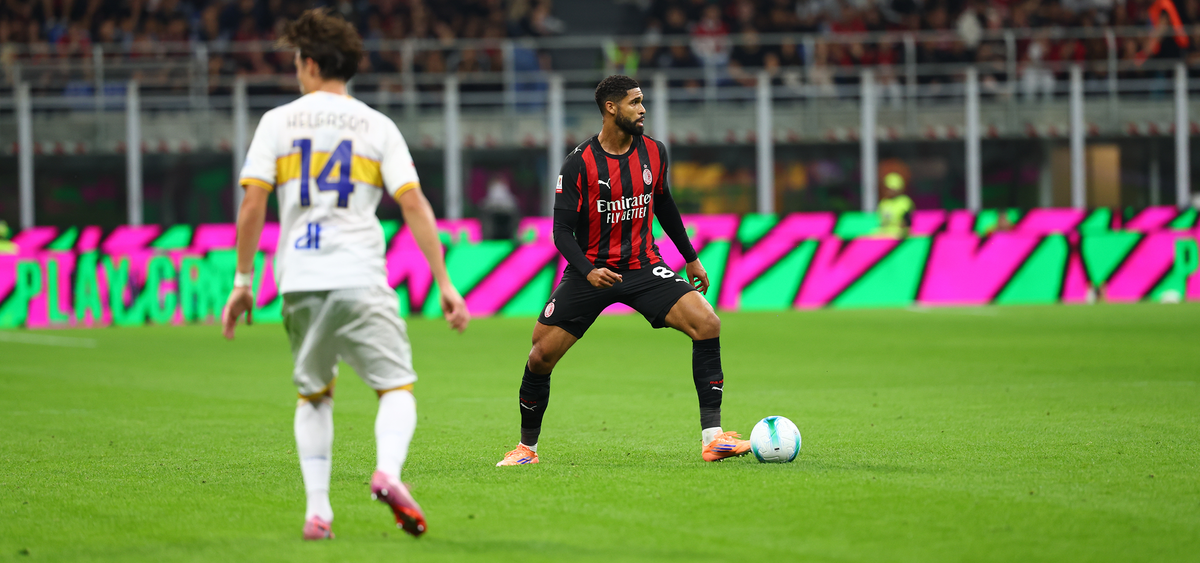
The contest itself will take place at the San Siro Stadium in Milan, a venue known for its electric atmosphere. Italy’s performance will be a highlight, with expectations running high given Da Vinci’s star power and the song’s global appeal. While the road to victory is never easy—especially in a field of 43 acts—Italy’s combination of musical talent and stagecraft gives them a strong chance.
Upcoming Checkpoint: The Eurovision Song Contest 2026 will be held on May 13, 2026, at the San Siro Stadium in Milan, Italy. The semi-finals are scheduled for May 9 and 11, 2026. Official Eurovision Website
Why It Matters: The Global Appeal of Eurovision
The Eurovision Song Contest is more than just a musical competition—it’s a celebration of diversity, creativity, and unity. For Italy, representing the country on such a grand stage is a matter of national pride. Da Vinci’s participation is a reminder of Italy’s enduring influence in music, from classical opera to modern pop.
Beyond the potential victory, Da Vinci’s Eurovision journey is a story of legacy. As one of Italy’s most experienced artists, he brings a wealth of knowledge to the contest, offering younger performers a chance to learn from his decades of success. His presence on the stage is a bridge between Italy’s musical past and its future, embodying the spirit of Eurovision itself.
Will Sal Da Vinci bring home Italy’s third Eurovision victory? Share your thoughts in the comments below or follow World Today Journal for live updates from the contest.
Keep reading