Italy Silences the Final “Yes!” in its National Anthem: A Change Rooted in History and Debate
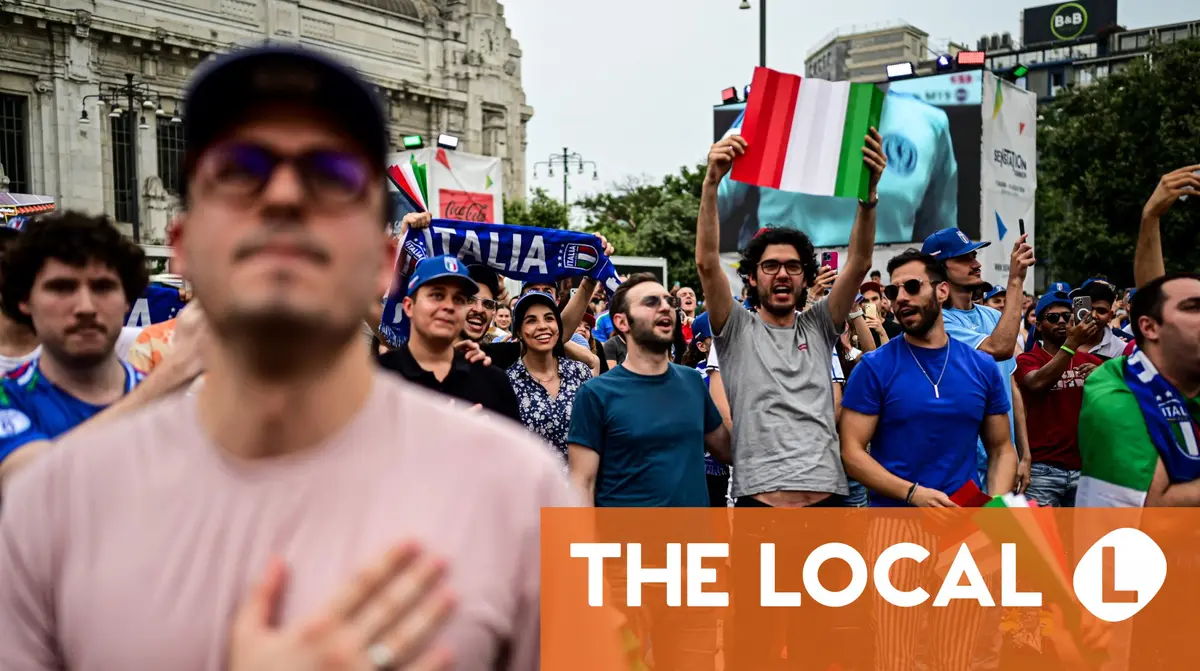
For nearly 75 years, the rousing finale of italy’s national anthem, Il canto degli Italiani, has concluded with a powerful “Sì!” – a resounding affirmation of readiness and national pride.However, a recent directive from Italy’s defense chief of staff signals a shift. the final “Sì!” is now officially to be dropped during official ceremonies.
This subtle yet important change has sparked discussion across the nation, raising questions about tradition, artistic interpretation, and the evolving identity of modern Italy. Let’s delve into the details of this evolving story.
A Directive for “Purity”
On December 2nd, a formal order was issued to all military commands, mandating the omission of the final “Sì!” when Il Canto degli Italiani is performed at official events. The presidential website’s official anthem wording has also been updated to reflect this change.
The reasoning, according to a source at the presidential palace, centers around a desire for “purity” in the anthem’s presentation. The anthem will now conclude with “l’Italia chiamò” (Italy has called) followed solely by the musical score.
The Anthem’s Complex History
Understanding this change requires a look back at the anthem’s origins. You might be surprised to learn the ”Sì!” isn’t part of the original 1847 poem penned by Goffredo Mameli.
* Mameli’s Il Canto degli Italiani focused on the spirit of Italian unification.
* Though, composer Michele Novaro, in his 1847 musical score, added the “Sì!” to create what he described as “a supreme cry, a pledge and a battle cry.”
For decades, this addition became ingrained in the anthem’s performance, culminating in the familiar, emotionally charged finale.
A Recent, and Somewhat Contradictory, Evolution
While the anthem has been sung for generations, its official status is relatively recent. Italy officially adopted Il canto degli Italiani as its national anthem in 2017, nearly 70 years after the post-war government selected it in 1946.
Interestingly, despite the new directive, Prime Minister Giorgia Meloni was recently filmed singing the traditional version, complete with the ”Sì!”, at a Christmas event. This highlights the deeply personal connection many Italians have to the anthem’s long-held form.
What Does This Mean for You?
The change primarily impacts official military ceremonies and institutional events. You won’t necessarily notice a difference at sporting events, concerts, or other informal gatherings where the anthem is sung.
However, the debate surrounding this alteration underscores the importance of national symbols and the ongoing conversation about what they represent. It’s a reminder that even seemingly small changes can resonate deeply within a nation’s cultural identity.
this adjustment to Il Canto degli Italiani is more than just a musical edit. It’s a reflection of Italy’s ongoing dialog with its past, present, and future. It’s a story of tradition, artistic interpretation, and the enduring power of a national song.