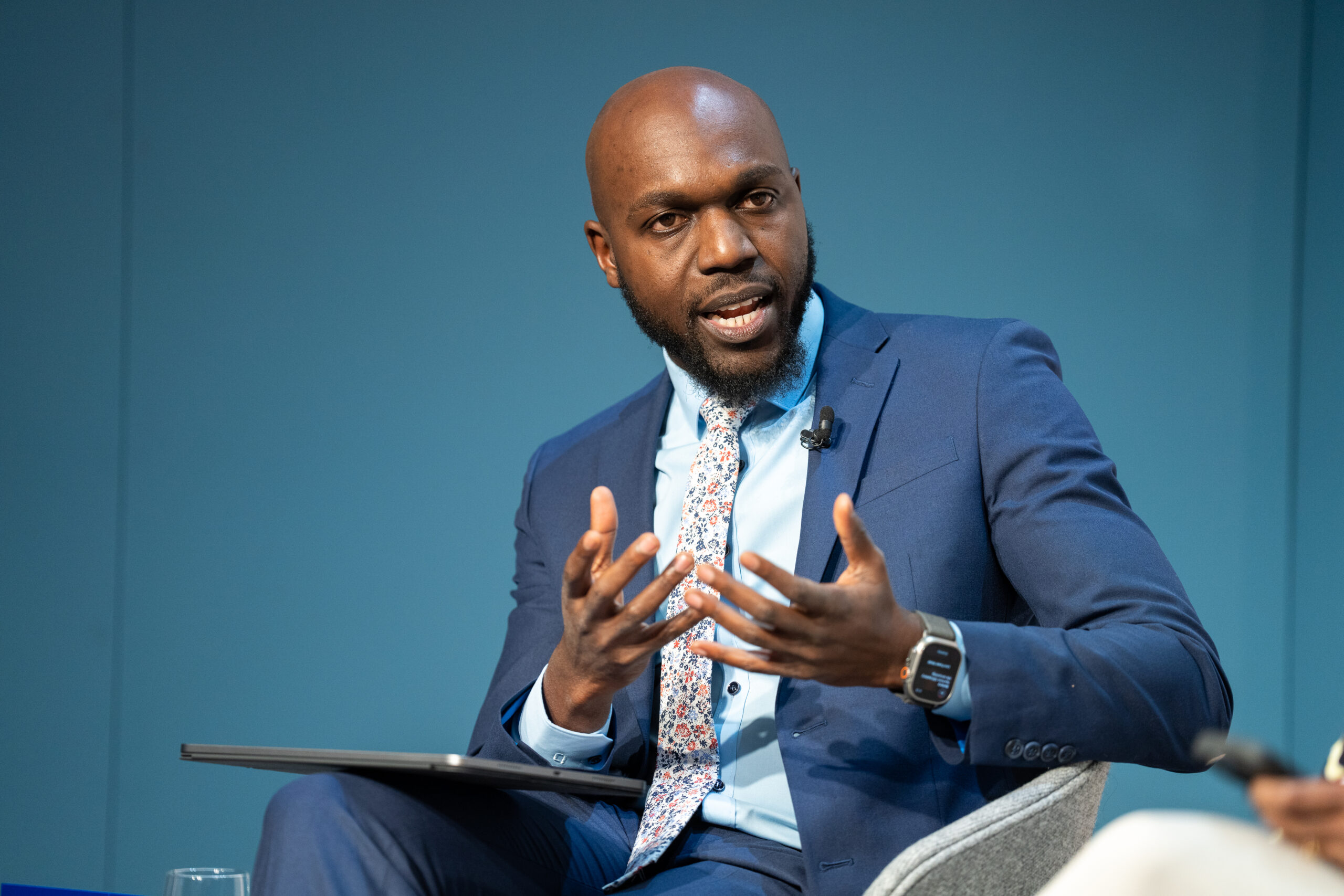
Navigating Bias Accusations: CNN’s larry madowo and the 2026 Ugandan Election
Kampala, Uganda – December 27, 2025 – As Uganda gears up for its January 2026 presidential election, the role of international media is under intense scrutiny. CNN International Correspondent Larry Madowo is currently at the center of a heated debate, facing accusations of bias from supporters of the incumbent President Yoweri Museveni‘s National Resistance movement (NRM). This controversy underscores the complex challenges of reporting on politically sensitive events in Africa, where perceptions of foreign interference often run high. But what exactly are the accusations,and how is Madowo responding? More importantly,what does this situation reveal about the broader landscape of media coverage in African elections?
The Accusations: Sensationalism and a Pro-Opposition Tilt
The criticism leveled against Madowo centers on claims of sensationalizing events and disproportionately focusing on the opposition,specifically the National Unity Platform (NUP) led by Bobi Wine. Pro-government commentators, including former government spokesperson Ofwono Opondo, have labeled his coverage as “foreign meddling,” suggesting it actively undermines Uganda’s image and potentially influences the electoral process.
A key point of contention stems from Madowo’s reporting on clashes between security forces and Bobi Wine supporters during rallies in Gulu and other areas in December. His firsthand account, detailing the use of tear gas, water cannons, and even live rounds, and describing the tear gas as the “worst” he’d experienced in his career, has been especially criticized. Critics argue this focus on violence paints an unfairly negative picture of the political climate. Some, like journalist Mike Ssegawa, have even questioned Madowo’s suitability for political analysis, citing his background in entertainment journalism – notably hosting Kenya’s The Trend – as evidence of a lack of nuanced understanding.
Furthermore, viral misinformation campaigns have falsely claimed Museveni warned or barred Madowo from entering Uganda, narratives the journalist has actively debunked. This highlights a deliberate effort to discredit his reporting and portray him as having a pre-determined agenda.
Madowo’s Defense: A Commitment to Balanced Storytelling
Madowo has vehemently defended his coverage, emphasizing CNN’s commitment to balanced reporting. In a December 21st post on X (formerly Twitter), he highlighted CNN’s airing of promotional segments featuring Dr. Gladys Kalema-Zikusoka, a pioneering Ugandan wildlife veterinarian celebrated for her conservation work with mountain gorillas at Bwindi Impenetrable Forest. He pointedly asked why these uplifting stories receive less attention than reports of political violence: “We cover brutality against Bobi Wine, but also this. why doesn’t it get the same attention?”
This response underscores a crucial point: CNN,like any reputable news organization,aims to present a multifaceted view of Uganda. madowo has also referenced similar accusations he faced in Tanzania, where he was falsely accused of being paid to expose post-election violence. in both instances,he has maintained that his journalism is driven by facts,not favoritism. He consistently emphasizes the importance of reporting on all sides of a story, even when those stories are uncomfortable or challenge prevailing narratives.
The Broader Context: International Media and African Elections
This incident isn’t isolated. It reflects a recurring tension in African elections: the delicate balance between international media’s role in holding power accountable and the perception of external interference. Governments frequently enough view critical reporting as a threat to their legitimacy, while opposition groups often rely on international media to amplify their voices and expose human rights abuses.
The situation in Uganda is further complicated by a history of contested elections and allegations of state repression. Bobi Wine’s challenge to Museveni’s long rule, beginning in 2021, has brought increased international attention to the country’s political landscape. This heightened scrutiny inevitably leads to greater scrutiny of the media covering these events.
Resources for Further Understanding:
* Committee to Protect Journalists (CPJ): https://cpj.org/africa/ – Provides in-depth reporting on press freedom and journalist safety in Africa.
* Reporters Without Borders (RSF): https://rsf.org/en/region/africa – Tracks press freedom violations and advocates for journalists’ rights globally.
* CNN International: https://www.cnn.com/international – Access CNN’s coverage of Uganda and other African nations.
What’s Next? watchdog Uganda’s Commitment to Extensive Coverage
As tensions continue to rise ahead of the 2
Worth a look