
Indonesia’s Green Innovation: How ITB Students Are Transforming Coal Waste into EV Battery Materials
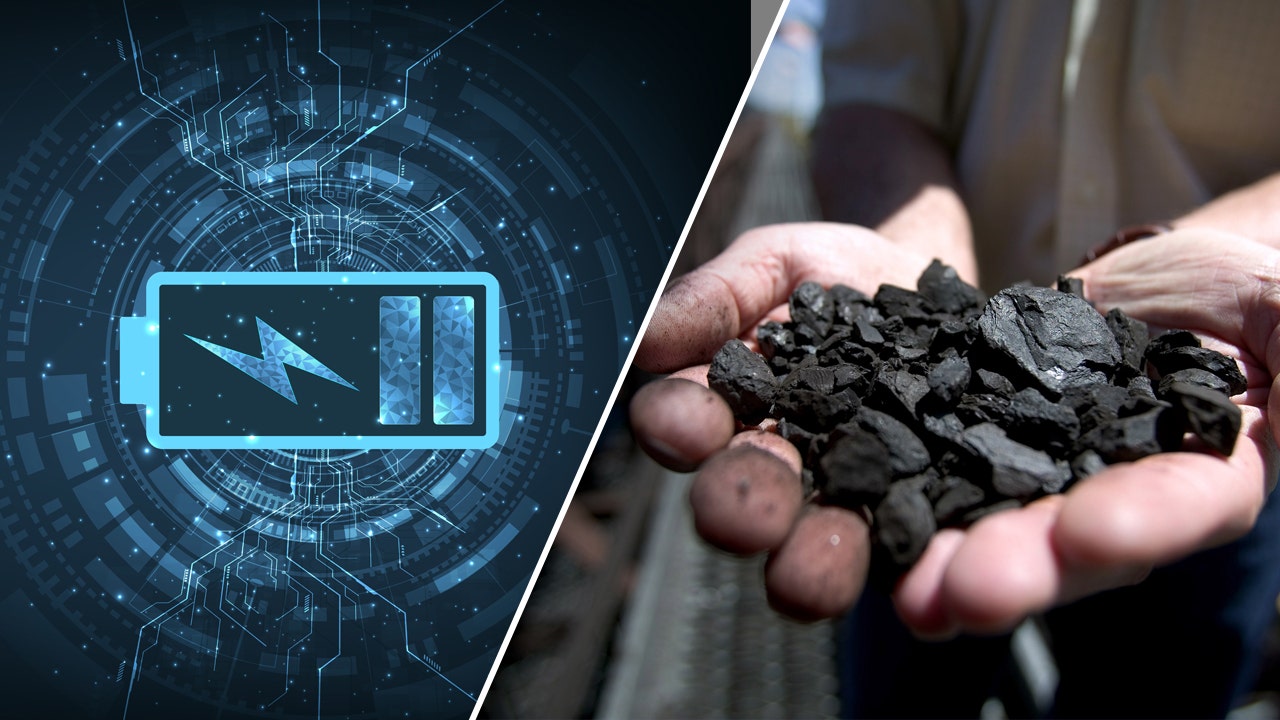
In a groundbreaking development for both clean energy and sustainable waste management, three students from Indonesia’s premier technical university have successfully developed a process to convert coal waste—a significant environmental challenge for the country—into valuable materials for electric vehicle (EV) batteries. The innovation, currently in experimental phases at Institut Teknologi Bandung (ITB), represents a potential triple win: reducing Indonesia’s coal waste footprint, supporting the global EV battery supply chain, and demonstrating how academic research can directly address industrial challenges.
While Indonesia remains one of the world’s largest coal exporters, the mining and processing of coal generates substantial waste that often ends up in landfills or pollutes waterways. The ITB team’s research offers a novel solution by repurposing this waste into anode materials for lithium-ion batteries, which are essential components in EVs. Their work aligns with Indonesia’s ambitious national energy transition plans, which aim to reduce carbon emissions while maintaining economic growth through diversification into renewable energy and green technology sectors.
This development comes as global demand for battery materials continues to surge, with supply chain bottlenecks and ethical sourcing concerns driving innovation in alternative materials. The ITB students’ approach could provide a locally sourced, sustainable alternative to traditional battery materials like graphite and cobalt, which often come with significant environmental and human rights challenges in their extraction.
The Science Behind the Innovation
The ITB research team, led by students from the Metallurgy Engineering program, has focused on developing a chemical and thermal treatment process that can extract valuable carbon-based materials from coal waste. According to preliminary findings shared with academic peers, their method involves:

- Pre-treatment: Separating and cleaning coal waste to remove impurities and maximize carbon content.
- Activation: Using controlled chemical reactions to enhance the material’s porosity and surface area.
- Structural modification: Adjusting the carbon structure to make it suitable as an anode material in lithium-ion batteries.
- Testing: Evaluating the material’s performance in battery prototypes under various conditions.
While exact chemical compositions and process details remain under academic review, the team’s work builds upon established research in carbon-based anode materials. Traditional graphite anodes, while effective, have limitations in energy density and charging speed. The ITB-developed material shows promise in addressing these challenges while offering a sustainable sourcing method.
Key technical advantage: The coal waste-derived material could potentially offer higher surface area and better lithium-ion storage capacity than conventional graphite, according to preliminary laboratory tests conducted by the ITB research team. However, large-scale production and commercial viability will require further optimization and cost analysis.
Why This Matters for Indonesia’s Energy Future
Indonesia’s energy landscape is at a critical juncture. As the world’s second-largest coal producer after China, the country faces growing international pressure to transition away from fossil fuels while maintaining energy security for its rapidly growing economy. The ITB innovation presents several strategic advantages:
- Waste reduction: Indonesia generates approximately 10-15 million tons of coal waste annually, much of which contributes to environmental degradation. The ITB process could convert a portion of this waste into valuable products.
- Local battery supply chain: As Indonesia aims to become a global EV manufacturing hub, developing domestic battery material production could reduce reliance on imported components and create high-value jobs.
- Carbon credit opportunities: The process could qualify for carbon credit programs if it demonstrates significant reductions in coal waste emissions compared to traditional disposal methods.
- Technological sovereignty: Mastering battery material production would reduce Indonesia’s dependence on foreign supply chains for critical EV components.
The innovation also aligns with Indonesia’s Energy Transition Roadmap, which includes targets to reduce coal dependency while expanding renewable energy capacity. By 2060, Indonesia aims for net-zero emissions, with intermediate targets of 31% renewable energy in the electricity mix by 2030 and 23% electrification of the transportation sector.
Global Context: Battery Material Innovation in the EV Era
The ITB students’ work comes at a pivotal moment in the global EV battery market. As electric vehicle adoption accelerates, so does the demand for battery materials, creating both opportunities and challenges:

- Supply chain pressures: Global graphite demand is projected to grow by over 12% annually through 2030, with Indonesia currently importing most of its needs.
- Ethical sourcing concerns: Traditional graphite mining, particularly in countries like China and Mozambique, has faced criticism for labor practices and environmental damage.
- Alternative materials: Researchers worldwide are exploring silicon anodes, solid-state batteries, and other innovations to improve battery performance and sustainability.
- Circular economy potential: The ITB approach exemplifies how industrial waste can be repurposed, aligning with growing global trends toward circular economy principles in manufacturing.
While the ITB team’s work is still in experimental phases, their approach could position Indonesia as a leader in sustainable battery material innovation. The country already possesses significant advantages:
- Extensive coal mining infrastructure that could be repurposed
- Growing automotive manufacturing sector with EV ambitions
- Strong academic institutions like ITB with expertise in materials science
- Government support for green technology development
Next Steps: From Lab to Commercialization
The ITB research team is currently working to:
- Scale up production: Moving from laboratory-scale experiments to pilot plant operations that can process larger volumes of coal waste.
- Optimize the process: Reducing costs and improving efficiency to make the material competitive with traditional battery anodes.
- Partner with industry: Collaborating with Indonesian battery manufacturers and EV producers to integrate the new material into commercial products.
- Seek funding: Applying for government grants and private investment to accelerate development and commercialization.
- Obtain certifications: Ensuring the material meets international safety and performance standards for battery applications.
Potential industry partners include:
- Indonesian battery manufacturers like PT Mercubuana Adi Prada
- EV producers such as Indomobil and international brands establishing manufacturing in Indonesia
- Coal mining companies looking to add value to their waste streams
- Government agencies like the Ministry of Energy and Mineral Resources and the Indonesian National Research and Innovation Agency
The team has indicated they plan to publish their findings in academic journals within the next 6-12 months, which would be a crucial step toward gaining recognition and attracting further investment.
Key Takeaways
- The ITB students have developed a process to convert coal waste into anode materials for EV batteries, offering a sustainable solution to both environmental and energy challenges.
- Indonesia’s abundant coal waste could become a valuable resource for the global EV battery supply chain if the technology is successfully scaled.
- The innovation aligns with Indonesia’s national energy transition goals and could reduce the country’s dependence on imported battery materials.
- While still in experimental phases, the research demonstrates how academic institutions can drive practical solutions to industrial challenges.
- Successful commercialization could create new industries in Indonesia focused on sustainable battery materials and circular economy practices.
What Happens Next?
The next confirmed milestones for this project include:
- Academic publication: The ITB research team aims to publish their methodology and preliminary results in peer-reviewed journals within the next 6 months, with potential submissions to Journal of Power Sources or Nature Sustainability.
- Pilot plant establishment: Targeted for late 2026, the team seeks to establish a small-scale production facility in collaboration with industry partners.
- Government review: The Ministry of Energy and Mineral Resources has expressed interest in evaluating the technology’s potential for national energy programs.
- International conferences: The team plans to present their work at the Battery Show North America in 2027 and similar events to attract global attention.
For readers interested in following this story, we recommend monitoring:
- ITB’s official announcements through their website and social media channels
- Indonesian government updates on energy transition programs
- Academic journals for research publications on sustainable battery materials
- Industry news from organizations like the International Energy Agency on global battery material trends
This innovation represents more than just a scientific breakthrough—it’s a model for how developing nations can leverage their unique resources to participate in global clean technology markets. As the world races toward net-zero emissions, Indonesia’s ability to transform environmental challenges into economic opportunities could serve as a blueprint for other resource-rich countries facing similar transitions.
What do you think about this innovative approach to waste management and battery production? Could this be the future of sustainable energy in Indonesia? Share your thoughts in the comments below or on our social media channels. For more updates on this story and other technology innovations from around the world, subscribe to our newsletter or follow us on [Twitter/X](#) and [LinkedIn](#).
Related reading
- Flipkart Sale Offers Deep Discounts on 4K Smart TVs and Projectors
- Apple Briefly Removes Telegram From App Store Over Content Violation
- Why Your Phone's Battery Still Drains When It's Completely Off (daybreakwire.com)
- China’s AI Sector Challenges US Rivals With High-Performance Models (archyworldys.com)