
Colombian Iván Cepeda has publicly challenged Abelardo de la Espriella, stating that he does not recognize him as president of the Republic. This declaration, made during recent public appearances, is part of a broader discourse from the senator regarding civil disobedience and the defense of specific social landmarks in Colombia.
According to reports from national media outlets, including El Tiempo and Infobae, Cepeda’s comments emerged amidst ongoing debates surrounding social movements, the “Monumento a la Resistencia” in Cali, and the scope of civil disobedience as a tool for political expression. The senator emphasized that his call for disobedience is directed at decisions he and his supporters perceive as contrary to the interests of the general public.
Contextualizing the Call for Civil Disobedience
Iván Cepeda has framed his recent statements as a defense of democratic participation. During a visit to Cali, he reiterated his commitment to protecting the Monumento a la Resistencia, a structure erected during the 2021 national strikes, which has become a symbolic focal point in local debates regarding public space and memory.

The senator clarified that his interpretation of civil disobedience is not an invitation to anarchy but a mechanism to challenge state actions that he considers harmful to the citizenry. As reported by Caracol Radio, Cepeda stated, “No vamos a obedecer decisiones que vayan contra el pueblo.” This rhetoric aligns with his platform focused on human rights.
Political Tensions and Public Discourse
The explicit rejection of Abelardo de la Espriella represents a sharpening of the political polarization currently visible in Colombia. Abelardo de la Espriella is a well-known attorney. While Cepeda’s comments were directed at the attorney, they reflect the broader friction between the government’s supporters and its legal or political adversaries.
The legal framework for such public declarations remains within the sphere of protected political speech. However, the use of “civil disobedience” as a political term often triggers debates regarding its legality under the Colombian Penal Code, specifically concerning potential incitement to break the law. To date, there have been no formal legal charges filed against the senator regarding these specific remarks.
Looking Ahead: The Legal and Social Landscape
The situation remains a matter of public debate rather than active litigation. The Monumento a la Resistencia continues to be a subject of administrative discussions in Cali, involving local authorities and community leaders. Residents and interested parties can monitor updates regarding the site through the official portal of the Alcaldía de Santiago de Cali, which manages urban planning and public monument regulations.
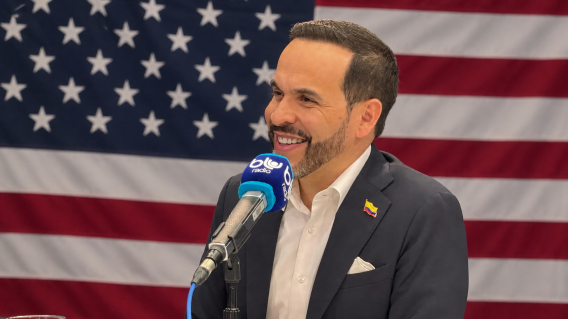
For those interested in the legislative activities of Iván Cepeda, official records of his sessions, proposed bills, and public interventions are available through the Senado de la República de Colombia. The tension between political rhetoric and judicial oversight in Colombia is expected to persist as the country navigates ongoing legislative reforms and social policy debates. Future developments in this discourse will likely depend on whether these calls for civil disobedience transition into organized, large-scale actions or remain confined to political messaging.
We invite our readers to share their perspectives on the role of civil disobedience in modern democratic societies in the comments section below.