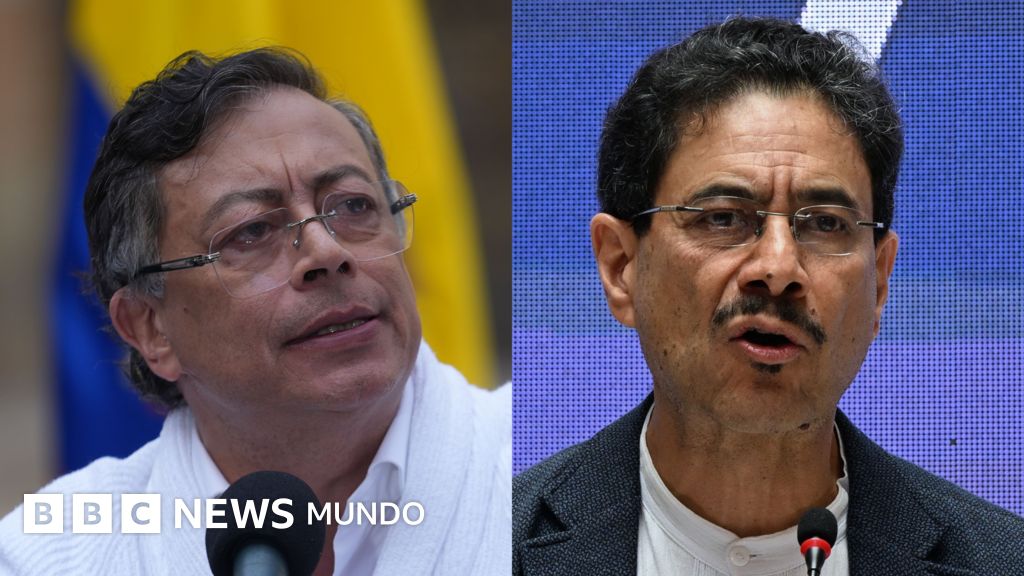
As the political landscape in Colombia continues to evolve under the administration of President Gustavo Petro, the nuances within the country’s progressive movement have become a focal point for regional analysts. Central to this discourse is the ideological alignment and occasional divergence between the President himself and Senator Iván Cepeda, a prominent figure in the Polo Democrático Alternativo and a key architect of the government’s “Total Peace” policy. Understanding the differences and similarities between the left-wing visions of Iván Cepeda and Gustavo Petro is essential for anyone tracking the trajectory of social reform and institutional change in South America today.
For those of us covering the region from Sofia, the Colombian experience offers a compelling case study in how historical trauma—specifically the decades-long internal armed conflict—shapes contemporary governance. While both men are deeply rooted in the struggle for human rights and social justice, their paths to power and their tactical approaches to legislative reform reflect distinct political temperaments. Petro, a former member of the M-19 guerrilla movement who transitioned into a career as a firebrand parliamentarian and mayor, often favors a confrontational, high-stakes style of mobilization. In contrast, Cepeda, whose own history is marked by the tragic assassination of his father, the human rights activist Manuel Cepeda Vargas, has largely operated as a bridge-builder, focusing on legislative consensus and the institutionalization of peace processes.
Ideological Roots and Political Trajectories
To grasp the nature of their partnership, one must look at their formative years. Gustavo Petro’s political identity was forged in the clandestine struggle of the 1970s and 80s, an experience that has left him with a profound skepticism of traditional power structures. His rhetoric frequently challenges the “establishment,” a term he uses to describe the intersection of economic elites and historical political dynasties. According to the Barcelona Centre for International Affairs (CIDOB), Petro’s ascent to the presidency in 2022 marked the first time a left-wing leader had held the office in modern Colombian history, a victory won on a platform of environmental transition and agrarian reform.
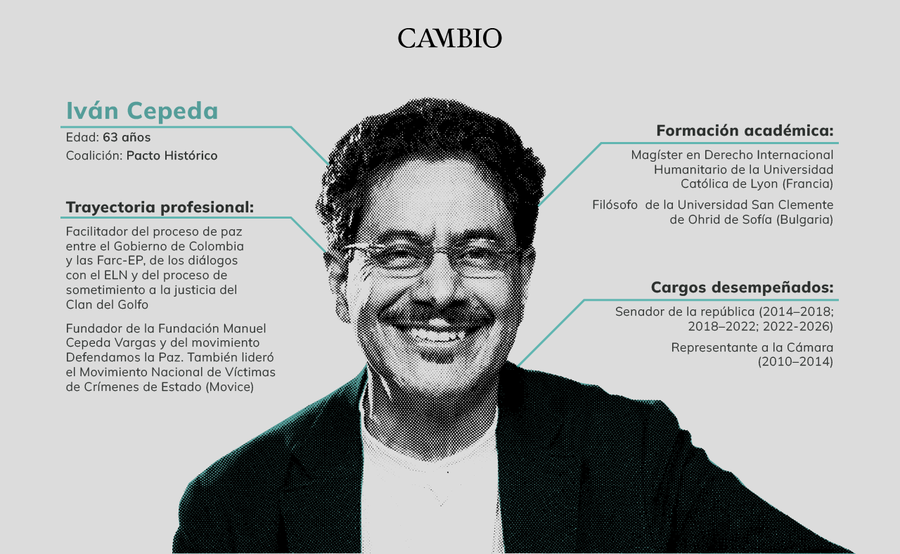
Iván Cepeda, meanwhile, has carved a reputation as a meticulous legal and legislative strategist. His work is inextricably linked to the search for truth and justice for the victims of the armed conflict. As a member of the Senate, he has been instrumental in the oversight of the Special Jurisdiction for Peace (JEP), the transitional justice mechanism established following the 2016 peace agreement with the FARC-EP. While Petro often acts as the “commander-in-chief” of the political movement, setting the broad, ambitious agenda, Cepeda functions as the institutional anchor, ensuring that the legislative framework—such as the laws governing the peace negotiations—remains grounded in human rights standards.
The Architecture of “Total Peace”
The most visible convergence of their political projects is the “Total Peace” policy, an ambitious initiative aimed at dismantling the diverse array of armed groups still operating in Colombia. This policy seeks to move beyond the FARC model by engaging in simultaneous negotiations with various criminal and insurgent organizations. The Colombian government has framed this as a necessity for ending the cycle of violence that persists in rural territories, even years after the 2016 accord.
However, the internal dynamics of this policy reveal the subtle differences in their approaches. Petro has often utilized social media and public rallies to pressure opposition parties and recalcitrant sectors of the military to support his reforms. He views the legislative process as a battle against entrenched interests. Cepeda, conversely, has focused on the granular details of the “Law of Subjectivity,” or Law 2272 of 2022, which provides the legal framework for these peace talks. By working closely with international observers and legal bodies, Cepeda ensures that the government’s efforts meet the requirements of international law, thereby minimizing the risk of future judicial nullification of these agreements.
Points of Convergence and Divergence
When comparing their visions, it is useful to categorize their priorities into policy areas, institutional roles, and political messaging. Both men share a fundamental commitment to the “democratization of land,” a core tenet of their shared political platform. They argue that the concentration of land ownership is a primary driver of inequality and violence in the country. Data from the National Administrative Department of Statistics (DANE) consistently highlights the disparities in rural development, which both leaders cite as the catalyst for their proposed structural reforms.
A table of comparison illustrates these nuances:
| Feature | Gustavo Petro | Iván Cepeda |
|---|---|---|
| Political Style | Confrontational, mobilization-based | Legislative, consensus-oriented |
| Core Focus | Macroeconomic/Environmental shift | Human rights/Transitional justice |
| Primary Role | Executive leadership/Visionary | Legislative architect/Bridge-builder |
The divergence becomes clearest when looking at their relationship with the legislature. Petro’s insistence on rapid, comprehensive changes to the healthcare and pension systems has often led to friction with the Congress, resulting in the stalling of key bills. Cepeda, while loyal to the administration’s goals, has historically been more adept at navigating the “politics of the possible,” managing the delicate coalitions required to pass legislation in a deeply divided chamber.
Implications for the Future
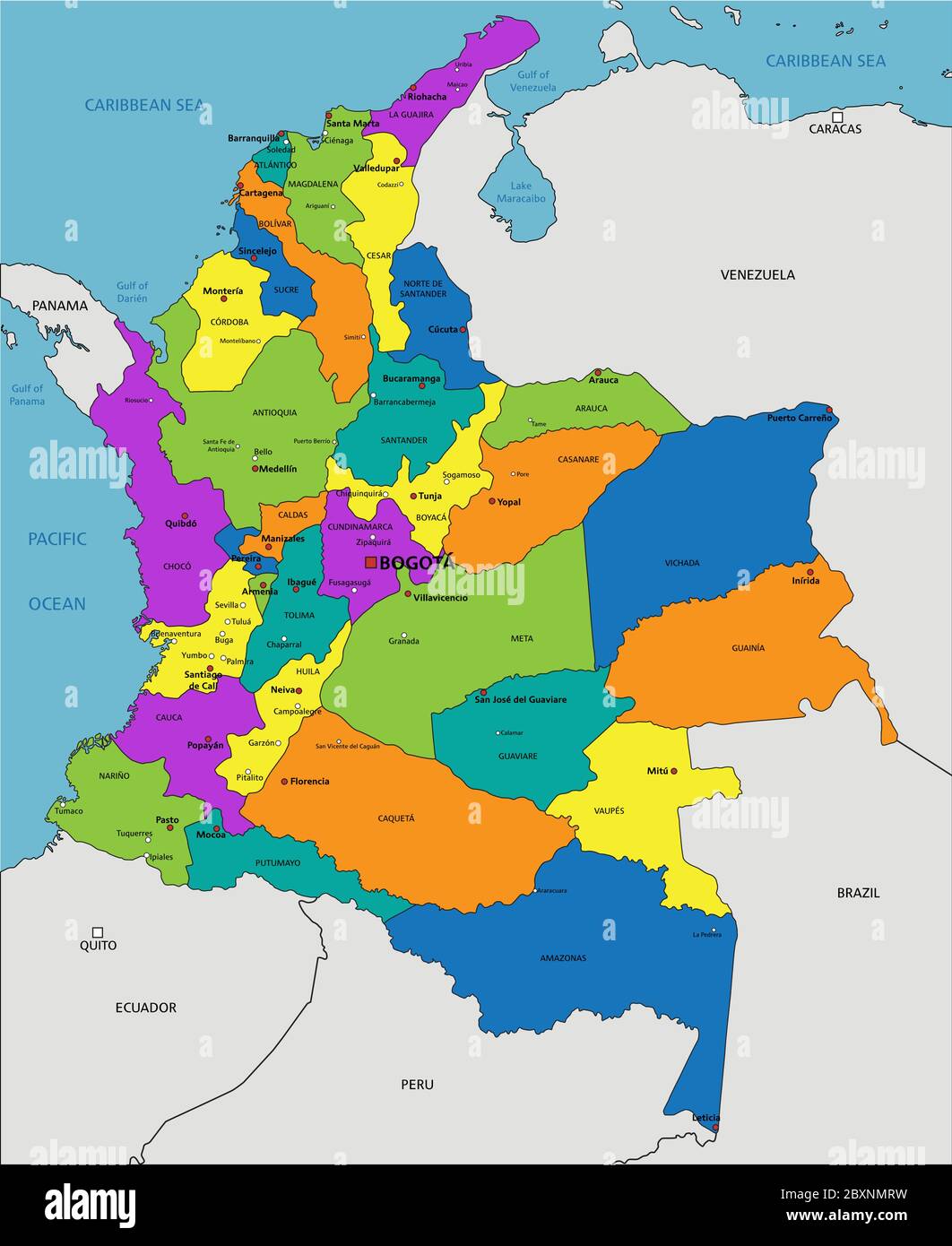
As the administration moves into the second half of its term, the partnership between Petro and Cepeda will face significant tests. The primary challenge remains the implementation of the peace agreements and the ability of the state to regain control in territories currently contested by successor groups. According to reports from the Human Rights Watch, the security situation in regions like Cauca and Nariño remains volatile, placing immense pressure on the government to deliver tangible results on the ground.
The success of the Colombian left depends on its ability to maintain this dual-track strategy: Petro’s ability to inspire and mobilize the public, and Cepeda’s capacity to translate that energy into durable, legally sound policy. For international observers, this is a critical test of whether a progressive movement can transition from a protest-based opposition into a governing force that respects institutional checks and balances.
The next major checkpoint for the administration involves the upcoming legislative sessions, where the government is expected to push for the finalization of pending reforms regarding the territorial development programs. We will continue to track these developments as they unfold in Bogotá. For ongoing updates on this transition, we encourage our readers to monitor the official communications from the Office of the President. We welcome your thoughts on the evolution of Colombian politics in the comments section below.
Worth a look