
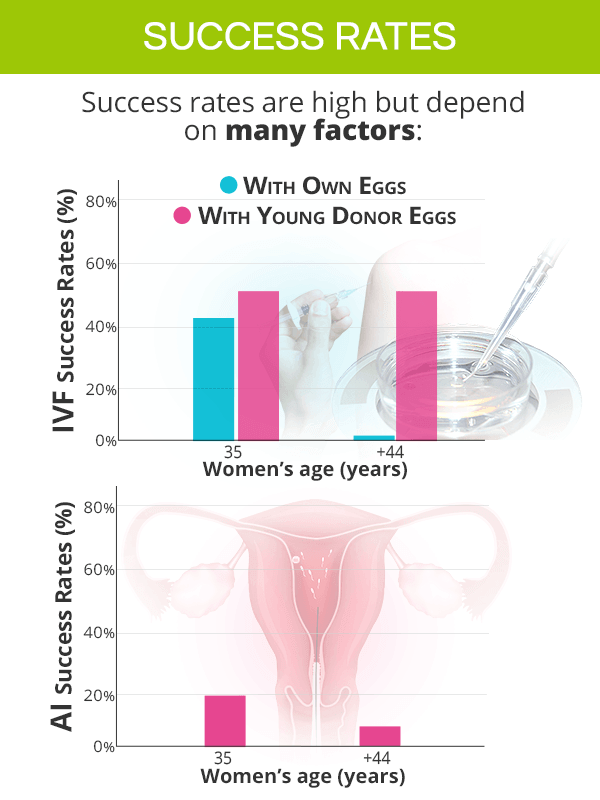
Success rates for assisted reproductive technologies, including in vitro fertilization (IVF) and surrogacy, depend heavily on maternal age, the quality of embryos, and the underlying medical reasons for infertility. While IVF and surrogacy are often discussed together, they are distinct processes; IVF is a fertility treatment that fertilizes an egg with sperm in a laboratory, while surrogacy is an arrangement where a person carries a pregnancy for someone else. According to the American Society for Reproductive Medicine (ASRM), clinical pregnancy rates for IVF vary significantly by age, often ranging from over 50% for patients under 35 to less than 10% for patients over 42.
Understanding how successful is surrogacy compared to IVF requires an analysis of how each method utilizes reproductive technology. Surrogacy typically relies on IVF to create an embryo, which is then transferred to the surrogate’s uterus. Consequently, the success rate of a surrogacy arrangement is largely tied to the success rate of the IVF cycle used to create that embryo. The Centers for Disease Control and Prevention (CDC), which tracks assisted reproductive technology (ART) data in the United States, notes that success is measured by live birth rates rather than just clinical pregnancy, as factors such as miscarriage and obstetric complications remain variables in both traditional IVF and surrogacy.
Defining the Relationship Between IVF and Surrogacy
It is a common misconception that surrogacy is a separate medical procedure from IVF. In modern clinical practice, most surrogacy arrangements involve gestational surrogacy, where the surrogate has no genetic link to the child. The process necessitates the creation of an embryo via IVF, which is then implanted into the surrogate. Because the surrogate acts as the vessel for the pregnancy, the “success” of the procedure is often linked to the health and fertility of the egg donor or the intended parent, rather than the surrogate herself. Data from the European Society of Human Reproduction and Embryology (ESHRE) suggests that when embryos are derived from younger, healthy egg donors, success rates for gestational surrogacy are generally higher than those for patients using their own eggs at an advanced reproductive age.
Factors Influencing Success Rates
The primary driver of success in both IVF and surrogacy is the quality of the embryo. Embryo quality is primarily determined by the age of the person providing the eggs. When patients undergo IVF, the Society for Assisted Reproductive Technology (SART) reports that cumulative live birth rates—the probability of having a baby after one or more cycles—increase with the number of high-quality embryos available. In surrogacy, if the intended parents use their own eggs, the success rate mirrors that of standard IVF. If the couple uses donor eggs, the success rates often align with the age of the egg donor, which is typically younger and thus associated with higher success probabilities.

Medical and Legal Considerations
Beyond clinical success, the path to parenthood via these methods is governed by complex legal frameworks. In Germany, for instance, the Embryo Protection Act (Embryonenschutzgesetz) strictly prohibits surrogacy, making the procedure unavailable within the country’s medical system, as noted by the German Medical Association. This legal disparity forces many intended parents to seek surrogacy in jurisdictions where the practice is permitted and regulated. Patients must account for not only the medical success rates of the IVF clinic chosen but also the legal stability of the country where the surrogacy arrangement takes place. The Hague Conference on Private International Law continues to work on international standards regarding the recognition of parentage in cross-border surrogacy cases to address these complexities.
Comparing Outcomes
When comparing the two, it is more accurate to view surrogacy as an application of IVF rather than a competitor to it. The success of a surrogacy journey is fundamentally limited or empowered by the success of the IVF laboratory work. According to clinical data published in the journal Fertility and Sterility, the transfer of a single, genetically tested embryo (PGT-A) into a surrogate often results in higher implantation rates compared to transfers in patients with uterine factors that may hinder embryo attachment. This underscores that while the IVF technology is the same, the physiological environment of the surrogate can sometimes provide a higher probability of success for patients who have experienced recurrent implantation failure.
Patients considering these options are encouraged to consult with reproductive endocrinologists to review clinic-specific success rates, which are often published in annual reports by national registries such as the CDC or local health authorities. While these statistics provide a baseline for understanding the likelihood of success, they do not guarantee individual outcomes. As of the latest updates from global health regulators, there are no new legislative changes scheduled that would universally alter the availability of these procedures; however, individual countries frequently review their ART regulations. Prospective parents should monitor their local health ministry’s official portal for updates on fertility policy and clinical guidelines.
If you have questions about your specific fertility journey or wish to share your experience with medical navigation, please leave a comment below. Your engagement helps foster informed discussions within our community.
Keep reading