Patients with treatment-naive locally advanced unresectable or metastatic triple-negative breast cancer achieved encouraging objective response rates when treated with ivonescimab combined with chemotherapy in a recent multicenter phase 2 trial. The findings, published in Nature Medicine on August 12, 2026, evaluate the clinical potential of pairing a PD-1/vascular endothelial growth factor (VEGF) bispecific antibody with standard chemotherapy regimens for an aggressive form of malignancy that historically presents significant treatment hurdles.
The phase 2 trial specifically evaluated ivonescimab—an investigational bispecific antibody designed to simultaneously target programmed cell death protein 1 (PD-1) and VEGF—administered alongside chemotherapy. The encouraging preliminary objective response rates reported in the study have provided the necessary clinical signal to advance the research framework.
Trial Design and Methodology
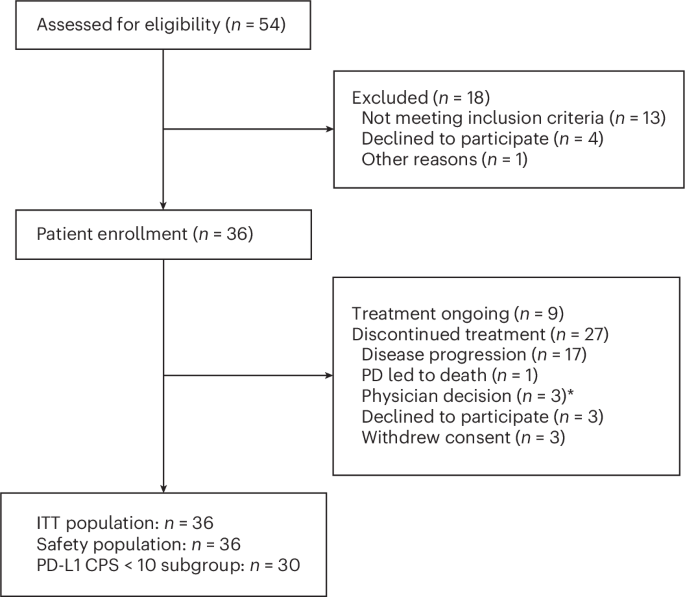
The multicenter, phase 2 trial enrolled patients with locally advanced unresectable or metastatic triple-negative breast cancer who had not received prior systemic therapy for their advanced disease. Investigators administered ivonescimab in combination with chemotherapy protocols to assess both preliminary antitumor activity and safety profiles across participating clinical sites. Detailed endpoint evaluations focused primarily on objective response rates, measuring tumor shrinkage and disease control among the study cohort.
Implications for Future Oncology Research
The clinical data published in Nature Medicine serve as a foundational stepping stone for broader investigation. Investigators and oncology specialists note that while phase 2 objective response rates provide valuable preliminary insights, definitive verification of clinical benefit requires evaluation within larger, randomized controlled trials.
According to the study findings, the encouraging activity observed in this phase 2 cohort directly supports the initiation of a large, randomized, phase 3 clinical trial.
Next Steps and Clinical Milestones
What are your thoughts on combining bispecific antibodies with standard chemotherapy for advanced oncology care? Join the discussion and share this article with colleagues or anyone interested in modern cancer research updates.
Keep reading
- South Korea’s Digital Therapeutics (DTx) Market Expands Beyond Insomnia to ADHD, Depression, and Developmental Disorders
- Doctors Slam Trump’s New Vaccine Executive Order as Misguided and Dangerous Amid Measles Outbreaks
- Free Cancer Wellness & Exercise Program: Rebuild Strength and Health (archyworldys.com)
- Lindsay Clancy Trial: Postpartum Psychosis and the Limits of Psychiatric Care (archynewsy.com)