
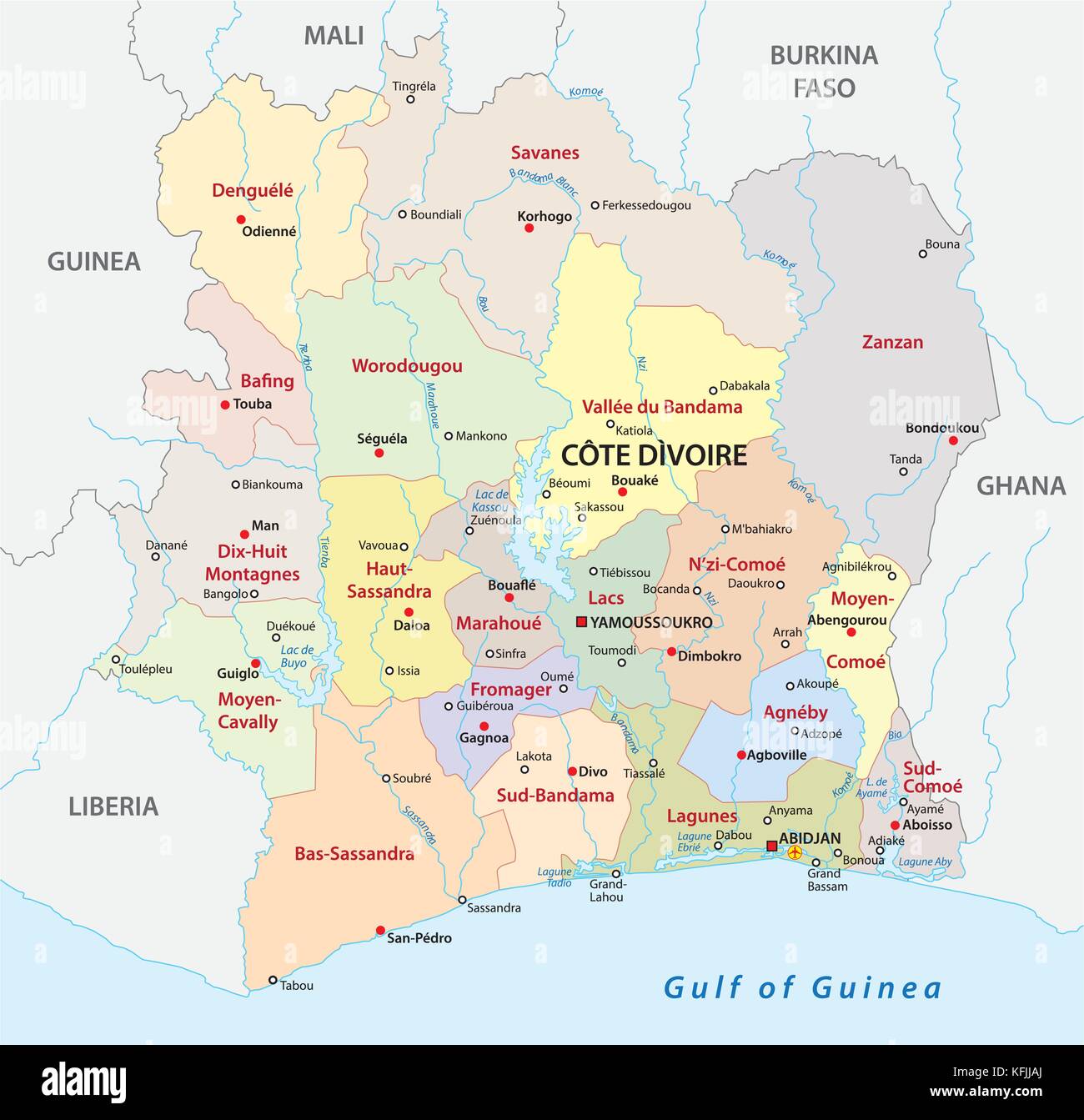
Security concerns are intensifying along the border between Côte d’Ivoire and Burkina Faso as spillover violence from the Sahel crisis threatens regional stability. Ivorian military forces have increased their presence in the northern regions, citing the growing risk of armed incursions by militant groups operating out of neighboring Burkina Faso, where the security situation has deteriorated significantly since 2022. According to the International Crisis Group, the southward expansion of jihadist movements from the Sahel into coastal West African nations has created a high-risk security environment for border communities.
The border, which stretches over 580 kilometers, has become a focal point for regional defense strategies. The Ivorian government, under President Alassane Ouattara, has prioritized the protection of the northern corridor to prevent the infiltration of insurgent groups that have already destabilized large swaths of Burkina Faso. While the Ivorian army has bolstered its troop levels in the area, the porous nature of the frontier remains a significant challenge for local security forces, as reported by the Africa Center for Strategic Studies.
Drivers of Regional Instability
The escalating tension is primarily attributed to the southward shift of extremist violence that has historically been confined to the Sahelian interior. Burkina Faso has faced a persistent insurgency since 2015, with violence intensifying following two military coups in 2022. These political shifts have disrupted traditional counter-terrorism cooperation, leaving border regions increasingly vulnerable to exploitation by armed militias. Data from the Armed Conflict Location & Event Data Project (ACLED) indicates that militant activity has moved closer to the northern borders of Ghana, Togo, Benin, and Côte d’Ivoire, forcing these nations to recalibrate their national security policies.
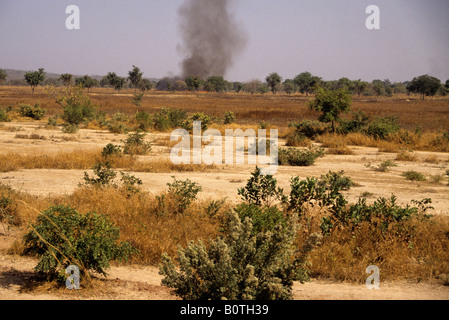
For local populations, the impact of this instability is immediate and profound. Civilians living in northern Ivorian districts have reported growing unease due to the proximity of armed groups and the subsequent military buildup. The presence of the Ivorian military, while intended to serve as a deterrent, has changed the daily rhythm of life in border towns. According to the Human Rights Watch reports on the region, the combination of militant threats and state security responses often leaves local communities in a precarious position, caught between the need for protection and the disruption caused by conflict.
Strategic Responses and Border Security
Côte d’Ivoire has adopted a multi-faceted approach to addressing these threats, combining military reinforcement with efforts to promote socio-economic development in border regions. The government’s strategy, often referred to as the “civil-military” approach, aims to win the trust of local populations to prevent extremist groups from gaining a foothold in marginalized areas. As noted by the United Nations Security Council, maintaining social cohesion and addressing the root causes of radicalization are as essential as traditional border patrols in preventing the spread of conflict.
The military response involves increased intelligence gathering and patrolling in dense, difficult-to-monitor terrain. However, experts from the Institute for Security Studies warn that military solutions alone are insufficient. The long-term security of the region depends on regional cooperation, particularly between the Ivorian military and their counterparts in the Accra Initiative—a collaborative effort aimed at strengthening security cooperation among the countries of the Gulf of Guinea and the Sahel. Despite these efforts, the situation remains fluid, with security analysts monitoring the border for any signs of direct tactical coordination between groups moving across the frontier.
What Lies Ahead for the Border Zone
The future of the Ivorian-Burkinabe border depends heavily on the trajectory of the security crisis within Burkina Faso itself. As the transitional government in Ouagadougou continues to struggle with internal security, the pressure on its southern neighbors to contain the spillover is expected to persist. Regional leaders and international observers are closely monitoring the next meeting of the Economic Community of West African States (ECOWAS) to see if new regional frameworks for border security will be established or updated to meet these evolving threats.
For residents, the coming months will likely remain defined by a heightened security presence and a continued wait for long-term stability. The Ivorian government has not provided a specific timeline for the withdrawal of additional troops from the north, suggesting that the current posture is a long-term strategic adjustment rather than a temporary measure. Readers interested in the latest developments can find official security advisories and updates through the Ivorian Ministry of Defense website. We encourage our readers to participate in the discussion below regarding the implications of the Sahel crisis for the future of West African regional security.
Keep reading