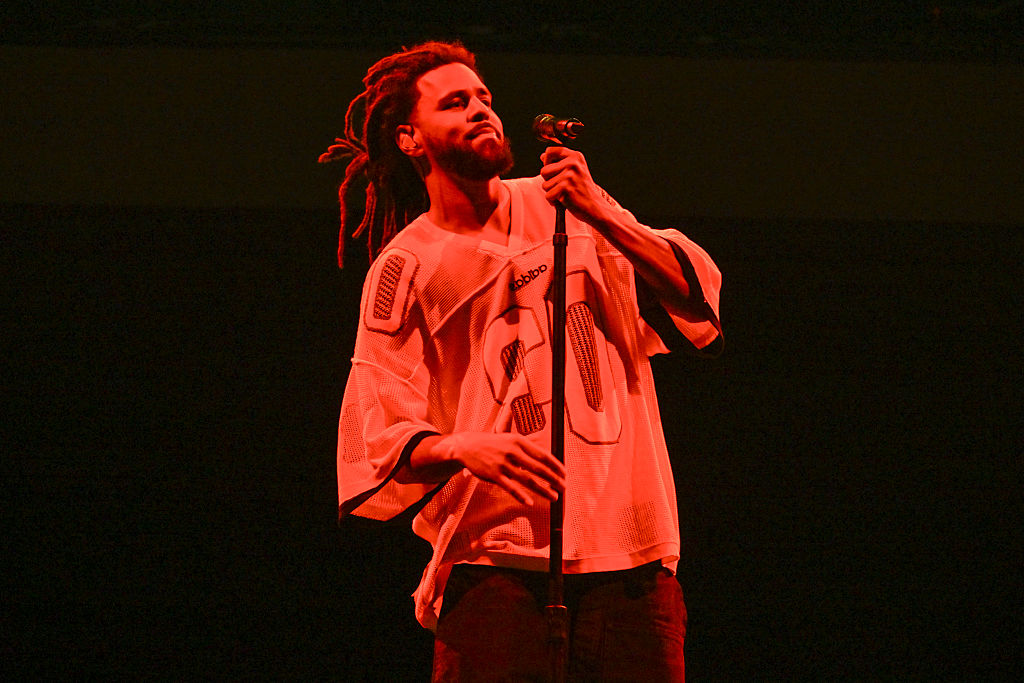
J. Cole Frames ‘The Fall-Off’ as Culmination of Life’s Work, Hints at Potential Musical Hiatus
J. Cole’s recently released album, The Fall-Off, is prompting a reevaluation of his discography and artistic trajectory. The North Carolina rapper, known for his introspective lyrics and connection with fans, has described the project as the culmination of a narrative spanning two decades, beginning with his early mixtapes. This framing positions some of his previous work as “side quests” – creative explorations distinct from the central autobiographical storyline he’s been developing. The release has been accompanied by a unique “Trunk Sale” tour, where Cole personally sells CDs from his car, fostering a direct connection with his audience and generating significant buzz around the album. The tour, and the album itself, have sparked conversations about the future of Cole’s music career and his approach to artistic expression.
In a recent discussion during his “Trunk Sale” tour, Cole detailed how The Fall-Off fits into the broader arc of his career. He outlined a progression starting with early projects like The Come-Up, The Warm-Up, Friday Night Lights, and The Sideline Story, culminating in Born Sinner and 2014 Forest Hills Drive. He then contrasted these albums with 4 Your Eyez Only, KOD, The Off-Season, and Might Delete Later, categorizing them as “side quests.” According to comments shared by NFR Podcast, Cole explained that albums like 4 Your Eyez Only and KOD were concept-driven, while The Off-Season and Might Delete Later served as “practice” – lyrical exercises preparing him for the deeper narrative of The Fall-Off. This perspective suggests a deliberate structuring of his work, distinguishing between albums that directly advance his personal story and those that explore different themes or technical skills.
The “side quest” designation has resonated with fans, prompting discussion about how they perceive Cole’s albums. While some listeners initially viewed these projects as integral parts of his artistic evolution, Cole’s explanation clarifies his intent: to differentiate between albums that contribute to a continuous autobiographical narrative and those that represent detours or experiments. This distinction casts The Fall-Off as a return to the deeply personal storytelling that characterized his earlier work, picking up threads left unresolved after 2014 Forest Hills Drive, an album that cemented his status as a leading voice in contemporary hip-hop. The album’s success, both critically and commercially, underscores the enduring appeal of Cole’s introspective style and his ability to connect with audiences on a profound level.
Reflecting on a Decade of Storytelling
Cole’s explanation of his discography reveals a meticulous approach to his artistry, viewing his albums not as isolated projects but as chapters in an ongoing narrative. He described The Fall-Off as a closing statement, a culmination of experiences and reflections from his life up to age 39. He referenced a lyric from the album, “This a suicide note / Come here and look what I wrote,” as signifying a deliberate ending to this particular chapter of his artistic expression. He stated he had “taken you to the end,” revisiting the age he was when 2014 Forest Hills Drive was released and providing a “life update” reflecting the intervening years. This suggests a desire to present a complete picture of his journey, offering fans a sense of closure.
However, Cole was careful to emphasize that this doesn’t necessarily signal a complete departure from music. He acknowledged that he would likely continue to rap, collaborate with other artists, and potentially even release future albums if inspired. But he expressed a lack of interest in continuing the specific narrative he’s been developing through his albums. “I don’t care to continue that story,” he stated, indicating a desire to explore fresh creative avenues and potentially move beyond the autobiographical framework that has defined much of his work. This nuanced position leaves the door open for future musical endeavors while signaling a shift in his artistic focus.
The “Trunk Sale” tour itself is a testament to Cole’s commitment to connecting with his fans on a personal level. As reported by HotNewHipHop, Cole has been driving around the United States in a Honda Civic, selling CDs directly to fans, inviting them into his car to listen to the album, and even engaging in freestyle sessions. This unconventional approach has generated significant media attention and created a unique experience for fans, solidifying Cole’s reputation as an artist who prioritizes genuine connection over traditional marketing strategies. He recently announced a stop in New York City, sparking excitement among fans in the region.
Charting New Territory: The Impact of the “Trunk Sale” Tour
Cole’s “Trunk Sale” tour has also raised questions about its impact on album chart statistics. Complex reports that industry observers are debating whether sales made directly through the tour will be counted towards Billboard charts. Billboard relies on data compiled by Luminate, which tracks sales from over 90 percent of the U.S. Music retail market, including music stores, direct-to-consumer transactions, and online sales. The Luminate system utilizes point-of-sale data from retailers, meaning that a receipt from a “Trunk Sale” purchase could potentially be counted towards chart rankings. The final decision rests with Billboard, but the tour’s innovative approach to album distribution is challenging traditional metrics of success in the music industry.
The unconventional nature of the tour also highlights Cole’s willingness to experiment with new models of artist-fan engagement. By bypassing traditional retail channels and directly interacting with his audience, he’s creating a more intimate and personalized experience. This approach not only generates excitement around his music but also allows him to maintain greater control over his artistic vision and distribution. The success of the “Trunk Sale” tour could potentially inspire other artists to explore similar strategies, fostering a more direct and meaningful connection with their fan bases.
The album The Fall-Off debuted to generally positive reviews, with critics praising Cole’s lyrical prowess and introspective themes. While some noted a shift in tone and subject matter, many acknowledged the album’s significance as a culmination of his artistic journey. The album’s commercial performance has also been strong, with initial sales figures indicating a high level of fan engagement. The combination of critical acclaim, commercial success, and the innovative “Trunk Sale” tour has solidified The Fall-Off as a landmark release in Cole’s career.
Key Takeaways
- J. Cole views The Fall-Off as the culmination of a long-term autobiographical narrative begun with his early mixtapes.
- He categorizes some of his previous albums as “side quests,” representing creative explorations outside of the main storyline.
- The “Trunk Sale” tour is a unique marketing strategy that prioritizes direct fan engagement and challenges traditional album distribution models.
- Cole has indicated that while he may continue to develop music, he is unlikely to revisit the specific narrative explored in his previous albums.
- The album’s chart eligibility is currently under review by Billboard, raising questions about the impact of direct-to-consumer sales on industry metrics.
As of February 21, 2026, J. Cole continues his “Trunk Sale” tour, with upcoming dates to be announced via his social media channels. Fans eager to stay updated on his future endeavors can follow him on X (formerly Twitter) and other platforms. The music industry will be watching closely to see how the success of The Fall-Off and the “Trunk Sale” tour influence artist-fan engagement and album distribution strategies in the years to come. We encourage readers to share their thoughts on J. Cole’s evolving artistry and the impact of his latest album in the comments below.