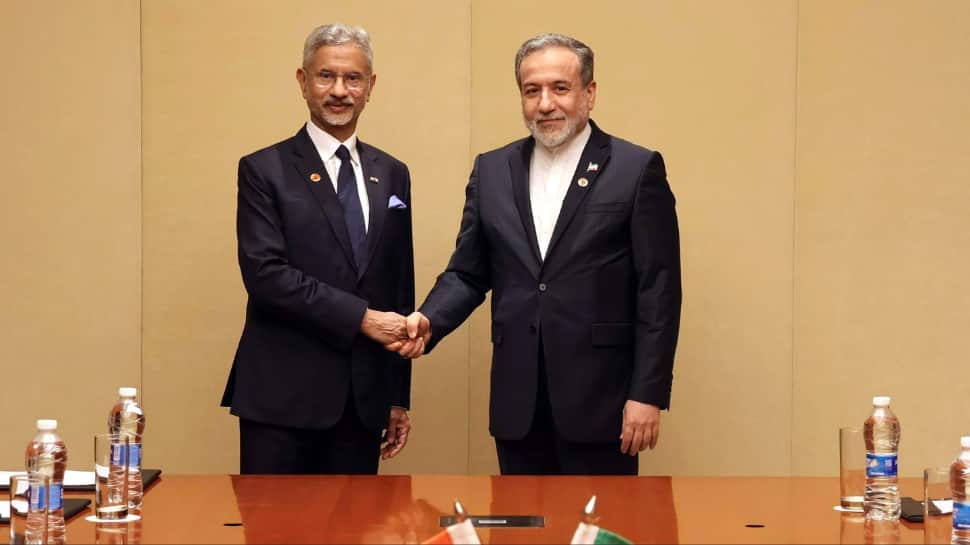
New Delhi is maintaining close diplomatic contact with regional powers as tensions in West Asia continue to escalate. On Tuesday, External Affairs Minister S. Jaishankar held a detailed conversation with Iranian Foreign Minister Hossein Amir-Abdollahian to discuss the evolving situation, marking their third call since hostilities began on February 28th. The discussions underscore India’s commitment to safeguarding its interests, including the security of Indian nationals in the Gulf region and the stability of vital energy supplies.
Jaishankar confirmed the conversation on X, formerly Twitter, stating, “A detailed conversation this evening with Foreign Minister @araghchi of Iran on the latest developments regarding the ongoing conflict. We agreed to remain in touch.” This communication follows a period of heightened concern over potential disruptions to global oil markets and supply chains, particularly through the strategically important Strait of Hormuz. India, a major importer of crude oil, is acutely aware of the potential economic ramifications of prolonged instability in the region.
The ongoing conflict, rooted in the aftermath of the October 7th Hamas attack on Israel and subsequent Israeli military operations in Gaza, has broadened to involve direct exchanges between Iran and Israel. Reuters reported on April 13, 2024, that Iran launched dozens of drones and missiles towards Israel in retaliation for a strike on its consulate in Damascus earlier in the month. This escalation has prompted international calls for de-escalation and diplomatic solutions. India’s approach has been one of proactive engagement with key stakeholders, seeking to understand the nuances of the situation and advocate for a peaceful resolution.
India’s Diplomatic Efforts and Regional Concerns
India’s diplomatic outreach extends beyond Iran. As reported by Firstpost, Jaishankar too spoke with his German counterpart, Annalena Baerbock, on the same day, demonstrating India’s commitment to a multi-faceted diplomatic approach. These conversations are aimed at gaining a comprehensive understanding of the perspectives of various actors involved and exploring potential avenues for de-escalation.
The Strait of Hormuz, a narrow waterway connecting the Persian Gulf with the Arabian Sea, is a critical chokepoint for global oil trade. According to the U.S. Energy Information Administration, approximately 20% of the world’s total oil supply passes through this strait daily. Any disruption to shipping through this route could have significant consequences for global energy markets, leading to price increases and potential supply shortages. India, which imports over 85% of its crude oil requirements, is particularly vulnerable to such disruptions.
Impact on India’s Energy Security and Domestic Markets
The current crisis has already begun to manifest in disruptions to India’s domestic fuel supply chains. Reports indicate shortages of commercial Liquefied Petroleum Gas (LPG) in major cities, including Mumbai, Bengaluru, and Kolkata. Restaurant associations have voiced concerns about irregular deliveries, forcing some establishments to temporarily suspend operations. The Mumbai Hotels and Restaurants Association estimates that nearly 20% of hotels in the city have temporarily closed due to supply disruptions, with the potential for this number to rise to 50% if the situation deteriorates further.
In response to these challenges, the Indian government has taken steps to stabilize supplies. Refineries are operating at full capacity, and approximately 70% of India’s crude oil imports now originate from sources outside the Hormuz Strait, including Russia, the United States, and parts of West Africa. This diversification of supply sources is a key strategy to mitigate the risk of disruptions. Domestic LPG production has also been increased by around 10% through reprioritization of resources. A three-member committee comprising executive directors from Indian Oil Corporation, Hindustan Petroleum Corporation Limited, and Bharat Petroleum Corporation Limited has been established to address concerns raised by commercial LPG users nationwide.
Diversifying Energy Sources and Mitigating Risks
India’s efforts to diversify its energy sources are not new. In recent years, the country has significantly increased its imports of crude oil from Russia, taking advantage of discounted prices following the imposition of Western sanctions. This shift has helped to reduce India’s reliance on Middle Eastern suppliers and enhance its energy security. However, the current crisis underscores the importance of continued diversification and investment in alternative energy sources, such as renewable energy, to reduce vulnerability to geopolitical shocks.
The government is also promoting the use of compressed natural gas (CNG) as a cleaner and more sustainable fuel source. Investments in pipeline infrastructure and CNG distribution networks are underway to expand access to this alternative fuel. India is actively pursuing the development of its domestic oil and gas exploration and production capabilities to reduce its dependence on imports.
The situation also highlights the importance of strategic petroleum reserves. India maintains strategic oil reserves at several locations across the country, designed to provide a buffer against supply disruptions. These reserves can be released into the market during emergencies to stabilize prices and ensure continuity of supply. The current reserves are being closely monitored, and the government is prepared to take appropriate action if necessary.
A detailed conversation this evening with Foreign Minister @araghchi of Iran on the latest developments regarding the ongoing conflict. We agreed to remain in touch. March 10, 2026
— Dr. S. Jaishankar (@DrSJaishankar)
Looking Ahead: India’s Role in Regional Stability
India’s approach to the West Asia crisis is characterized by a commitment to diplomacy, non-interference, and the protection of its national interests. New Delhi has consistently advocated for a peaceful resolution of conflicts through dialogue and negotiation. India’s strong economic and strategic ties with countries across the region, including Iran, Israel, Saudi Arabia, and the United Arab Emirates, position it as a potential mediator. However, India has maintained a cautious approach, avoiding taking sides in the conflict and emphasizing the need for all parties to exercise restraint.
The ongoing situation underscores the complex geopolitical challenges facing India in its extended neighborhood. The country’s ability to navigate these challenges effectively will be crucial for ensuring its economic security and maintaining its regional influence. Continued diplomatic engagement, diversification of energy sources, and investment in strategic infrastructure will be essential components of India’s strategy.
The next key development to watch will be the outcome of ongoing diplomatic efforts led by international actors, including the United States, Qatar, and Egypt, to secure a ceasefire between Israel and Hamas. A resolution to the conflict in Gaza is seen as a critical step towards de-escalating tensions across the region and preventing further escalation. India will continue to monitor the situation closely and engage with relevant stakeholders to promote a peaceful and stable West Asia.
What are your thoughts on India’s role in the current West Asia crisis? Share your comments below, and don’t forget to share this article with your network.
- Massive Pokémon Card Scam in Taiwan: Shop Vanishes with $10 Million Worth of Cards
- Dining at the Movies: Review of the Restaurant and Bar at B&B Theatres Athens 12
- Israel’s Foreign Ministry Strategy: Interview With Lior Haiat (world-today-news.com)
- Dow Hits Record High as US-Iran Tensions Ease and Amazon Tops $3 Trillion (time.news)